


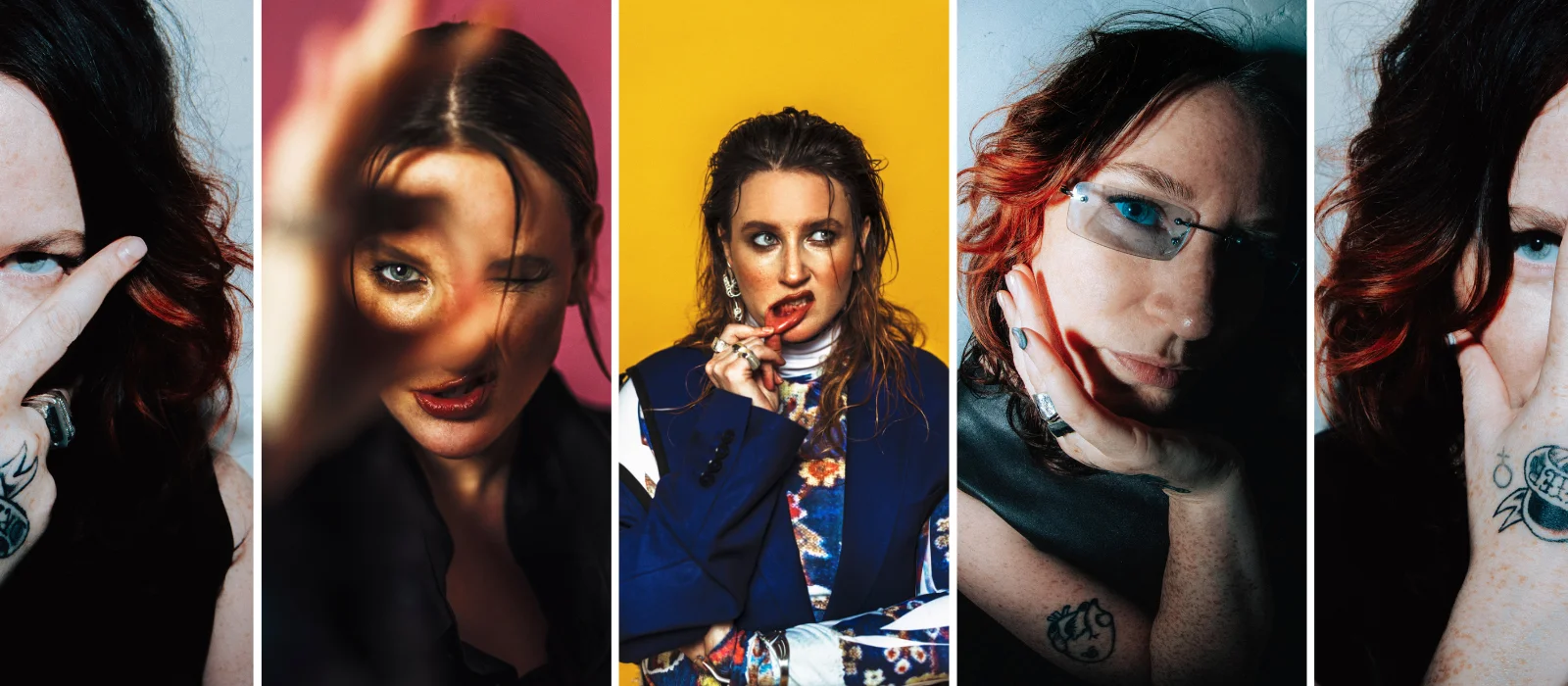






SAOIRSE: ‘I have faith that the government will see the positives that nightlife can bring to a city’
Ahead of the launch of Heineken’s GREENLIGHT city takeovers happening this May, IMAGE sat down with global dance music master DJ SAOIRSE for a conversation spanning early inspirations, Dublin’s late night licensing laws, and the DJ booth as a safety bubble.
SAOIRSE describes her childhood as ‘alternative’. A tweenager flipping through the CDs of Leftfield, Orbital and The Prodigy, heading over to Glastonbury with her mum and taking to the streets for protests and demonstrations, the seeds were sown early on for the person this little girl would go on to become.
“It’s in the culture, isn’t it? Ireland is, by nature, a very rave-y country,” SAOIRSE says. “When you’re growing up, you’re either a rocker or a raver. Dance music back then was heavily in the charts, so you had all these electronic music groups that were hitting number one, it was just everywhere. That led me right into it.”
To say that SAOIRSE is a force to be reckoned with on the global dance music stage would be an understatement. Sourcing her first set of decks at the age of 14, flash forward to today and she’s commanding dancefloors worldwide and has built up a serious reputation rooted in fearless curation, deep musical knowledge, and an unwavering commitment to inclusivity in the dance music scene.
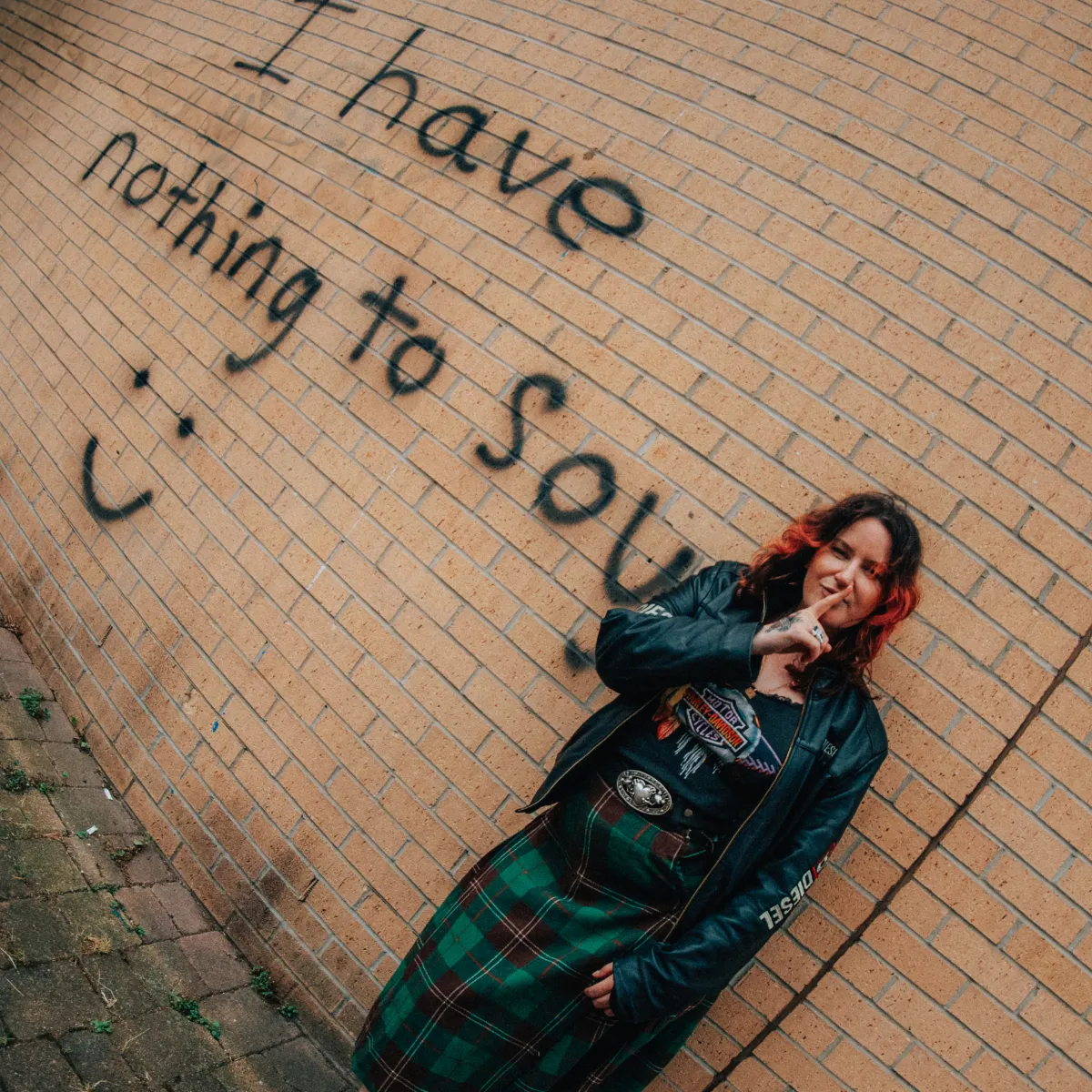
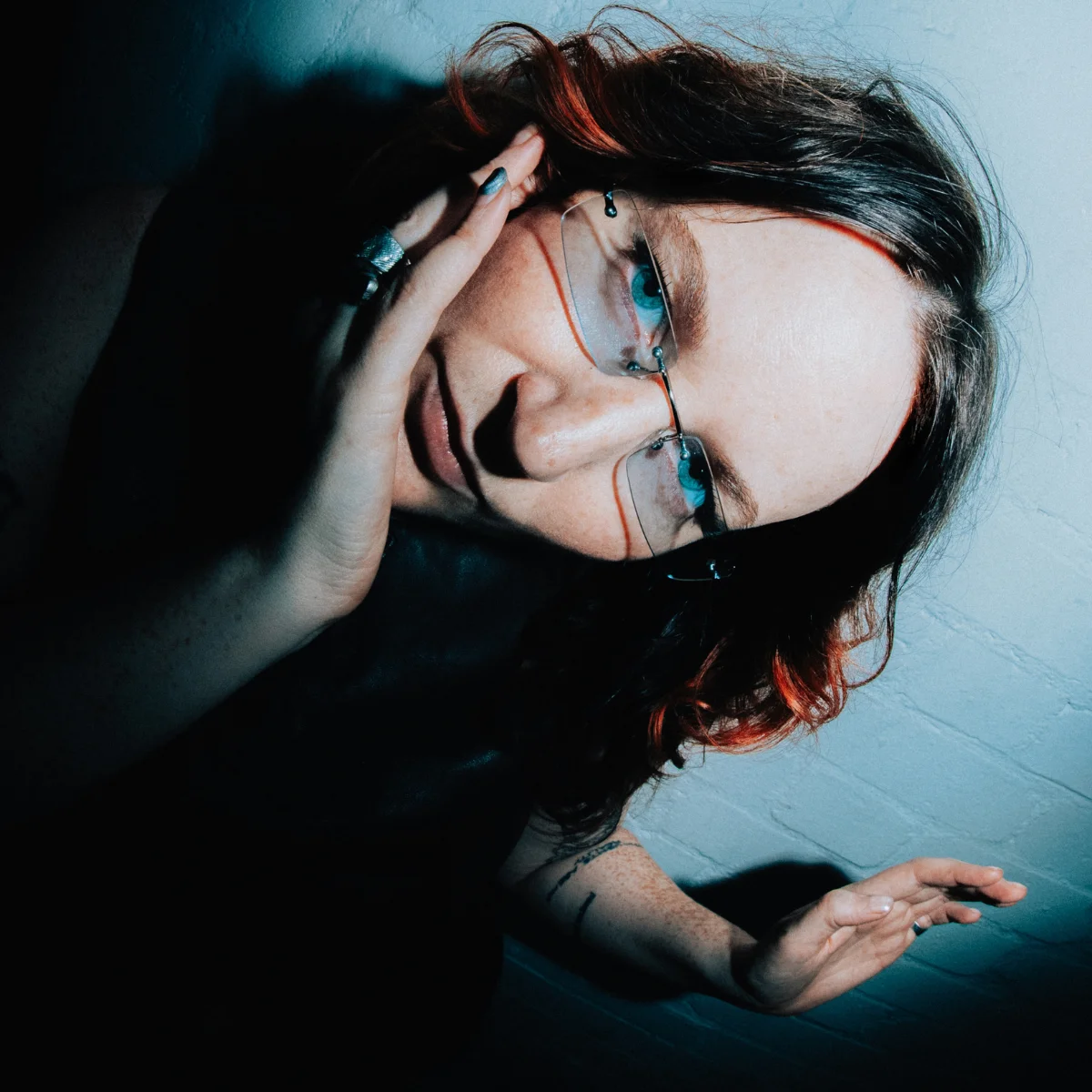
The founder of the boundary-pushing Body Movements festival and her trUst imprint, SAOIRSE’s sound is a fluid blend of house, techno and beyond, refined through years of dancefloor intuition and a relentless dedication to discovery. Obsessed from an early age, there wasn’t a wealth of female DJs for a young SAOIRSE to look up to at the time in Ireland.
“I used to just read Mixmag and DJ Mag, and you’d have hard house DJs, like Lisa Lashes and Lisa Pin-Up, but I can’t remember any female DJs from Ireland at that time. I’m sure there were some, but not that I was aware of at that time,” she says. “I dealt with heaps of misogyny when I was starting out. ‘She can’t mix.’ ‘She only gets the gigs because she’s a girl.’ ‘A fella probably taught her everything she knows.’ I got it all. It was just something I had to deal with. I feel like, as a girl, you had to work even harder to be good. You had to be better than the boys, because if you weren’t, you’d just be laughed out of the room.”
“A lot of DJs can be very socially anxious, and DJing is a great way to be at the party and not have to talk to anyone. You’re still there, you’re in the environment and you’re having fun but you don’t have to deal with the small talk or the struggle of being in that environment with lots of people you don’t know. Once I get into my booth, I feel like I’m still here having a great time with the party, but I’ve got my own safety bubble around me.”
After cutting her teeth in venues all around Dublin, SAOIRSE made the decision to leave Ireland and head across the pond to London at the age of 23. “I felt that I had hit a ceiling with what I was doing here in Ireland,” she says. “Clubs were closing early, and it was quite clique-y. I thought there would be more opportunities in London, and I guess I was right in the end.”

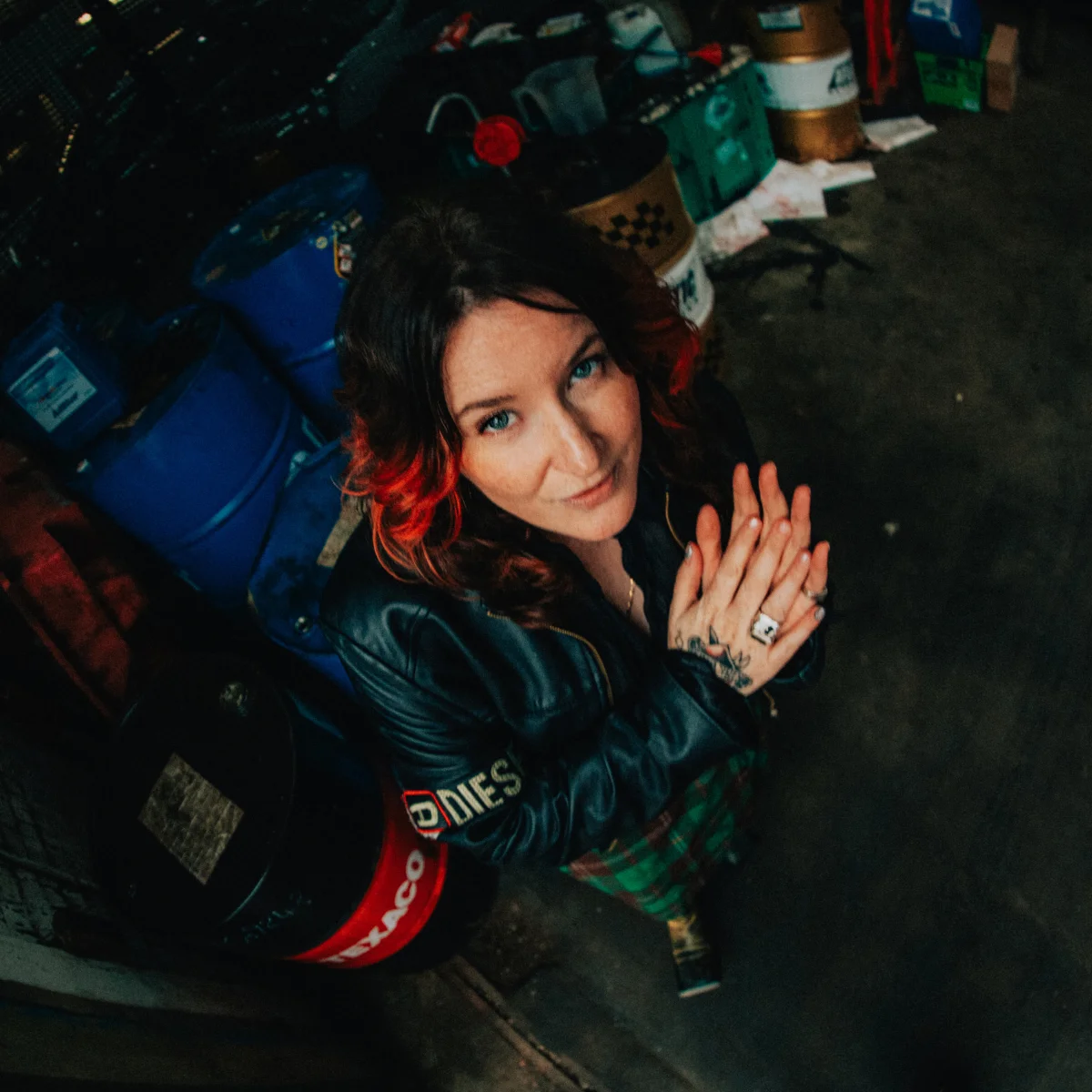
“It’s a sad thing, but I did feel that I had to go away and make my name and become recognised globally before I would be taken seriously in Ireland. I think it still happens now. It took me playing at places like Berghain and Glastonbury and Fabric to actually start getting bookings in my own city. That’s when I got recognised, even though I had been grafting and playing for God knows how long here without getting a look in.”
“I think the big problem that happens here is that if you don’t cultivate enough of your own local scene, people develop to a point and then feel that they’re always going to be a support DJ, never the headliner. The budget gets spent on the big international names, and there’s not enough support for the local acts to get them to that level. So the people leave. It’s a small-town mentality that happens a lot, across a lot of different industries, and I really believe that if there was more time spent developing local talent, people would have more of a reason to stay.”
“When I left Ireland, I was still ‘straight’, and even though I had a very progressive household and friends, I still felt really scared to come out. I didn’t know any gay people when I was that age in Dublin, and it felt very lonely and very isolating. As soon as I went to London, I felt that I could completely be myself.”
Body Movements is the UK’s first queer and trans electronic music festival that SAOIRSE founded alongside Clayton Wright. “Body Movements was born out of me playing at a lot of these queer parties and realising how many amazing pockets of subcultures there were for queer collectives. They were always hidden away in corners, not getting the platform that they deserved. We said why don’t we bring them together and put them on a festival platform where it’s not just a small stage, but somewhere that they can own the space and be the stars.”
Our chat takes place in a pop-up location just off Stephen’s Green, where later that evening, Heineken will be launching GREENLIGHT, a new music platform set to take over bank holiday weekends throughout the year. Moving beyond the main stage and into the heart of cities across Ireland, Heineken GREENLIGHT is built around a simple idea: creating ‘pinch me’ city gig experiences that fill bank holidays with live music across the year, bringing fans closer than ever to their favourite acts.
“Things like this are impossible to do because you need money,” SAOIRSE says of the event. “It’s great to see this happening, and that they’re making it possible for people to see their favourite acts in these intimate spaces. That’s money well spent.”
Naturally, our conversation turns towards club culture and stringent licensing laws in Ireland, a source of much frustration for late-night music lovers nationwide. “I’m friends with Sunil Sharpe and I’ve watched him fight hand and tooth for these licensing laws for close to fifteen years now and it always feels like it’s so close, but it’s inevitably kicked down the road again by the government,” SAOIRSE says. “I do have faith that they will see the positives that nightlife can bring to a city, especially now that half of the hotels that are here are empty. If you really want to get people to come and visit a city, they should make it more exciting. You’re driving people into underground, illegal after parties.”
“A major difference between Dublin and London is that you don’t have big fights and issues on the streets because people are dripping out throughout the night, whereas here, you throw everyone out at half two, of course, that causes carnage on the streets. When people can leave when they want to, it’s safer.”
Also Read