
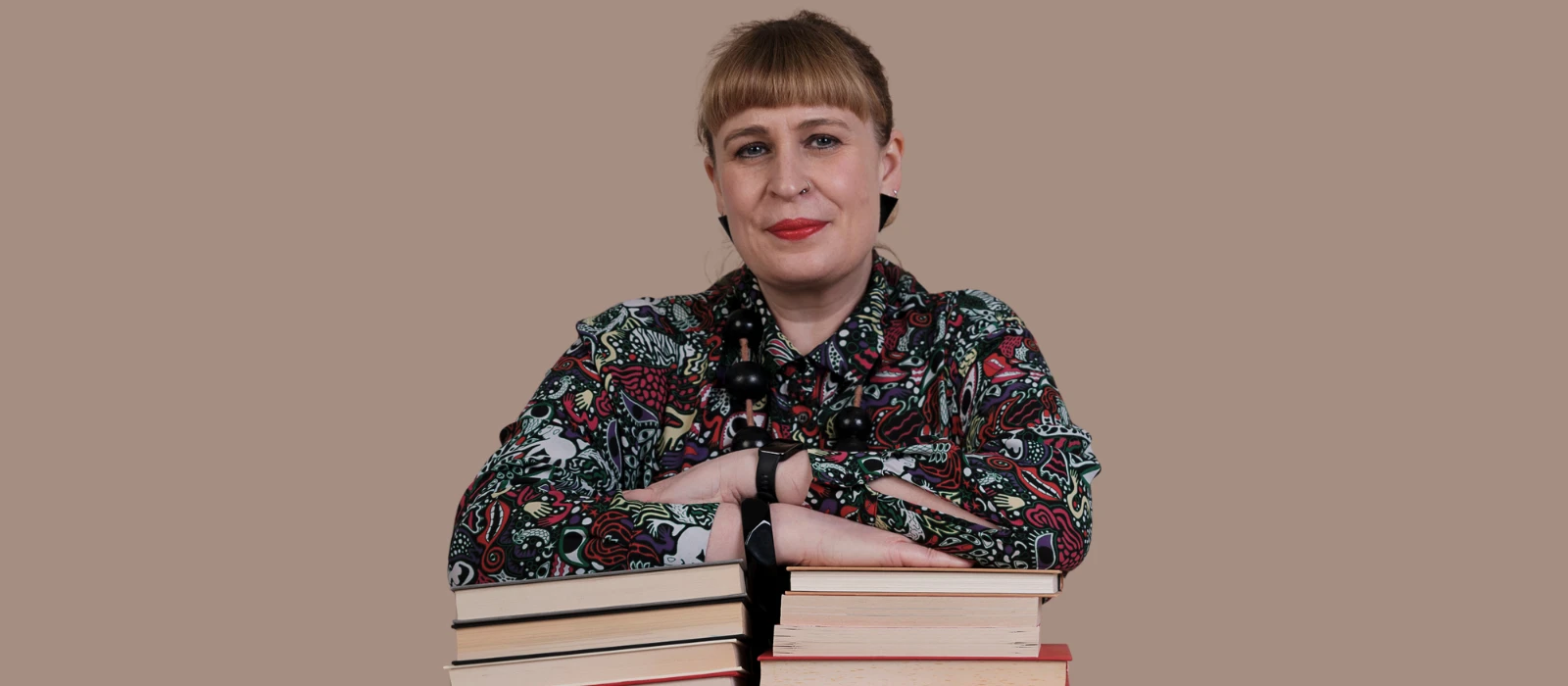





Jan Carson shares her literary inspirations, writing process, and her ninth novel, an alternative history that explores what might have happened if Terrence O’Neill had followed through on his madcap 1958 suggestion to drain Lough Neagh and turn it into the seventh county of the North.
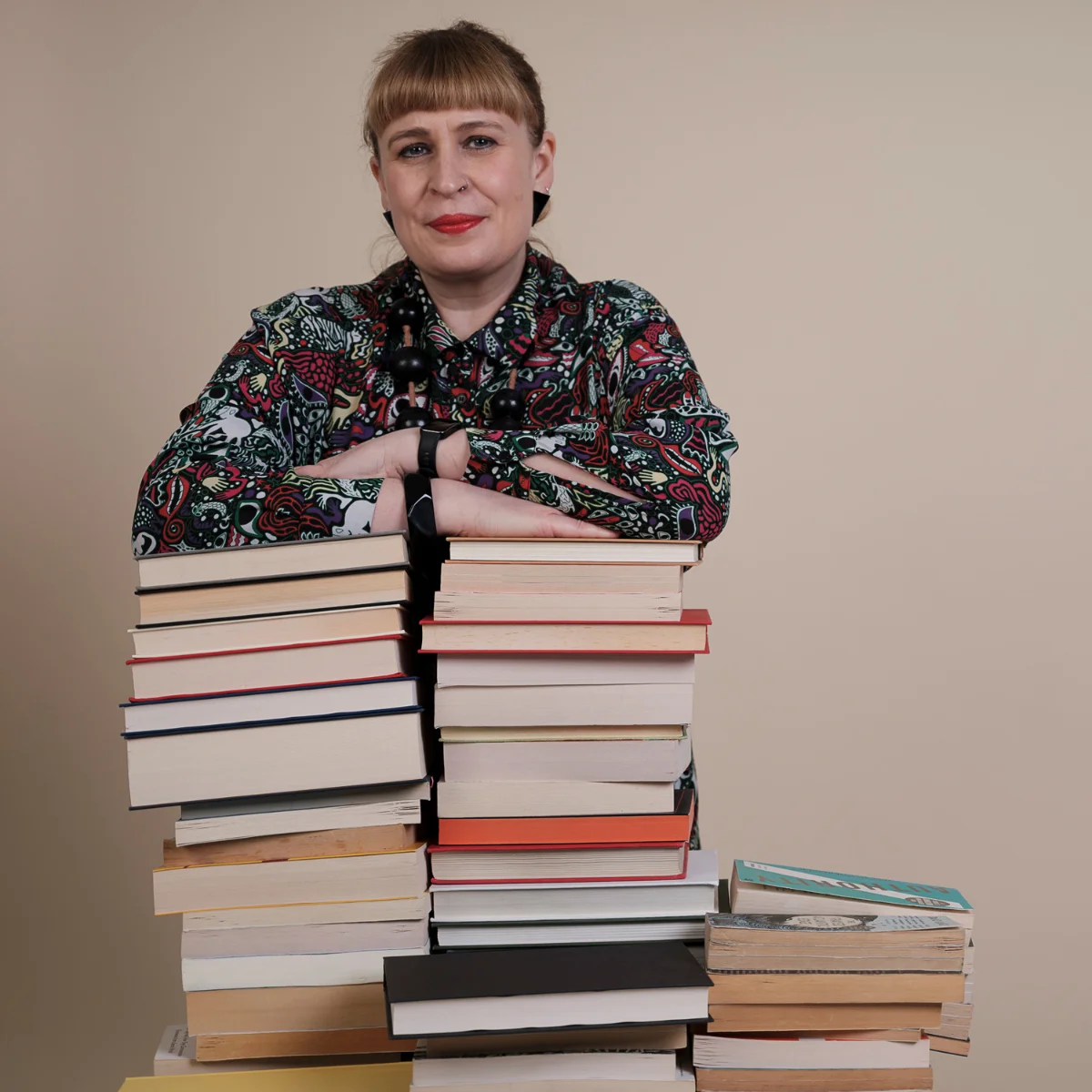
Jan Carson is a writer and community arts facilitator based in East Belfast. Her debut novel, Malcolm Orange Disappears and short story collection, Children’s Children, were published by Liberties Press, Dublin. A micro-fiction collection, Postcard Stories was published by the Emma Press in 2017. Jan’s novel The Fire Starters was published by Doubleday in April 2019 and subsequently won the EU Prize for Literature for Ireland 2019 and the Kitschies Prize for Speculative Fiction. The Raptures was shortlisted for the An Post Irish Novel of the Year, the Dalkey Book Prize and the Kerry Group Irish Novel of the Year Prize in 2022. Jan has been shortlisted for the Sean O’Faolain Short Story Prize, the BBC National Short Story Prize and An Post Irish Short Story of the Year Award, and in 2016 won the Harper’s Bazaar Short Story Prize. Her work has been translated into more than 15 languages.
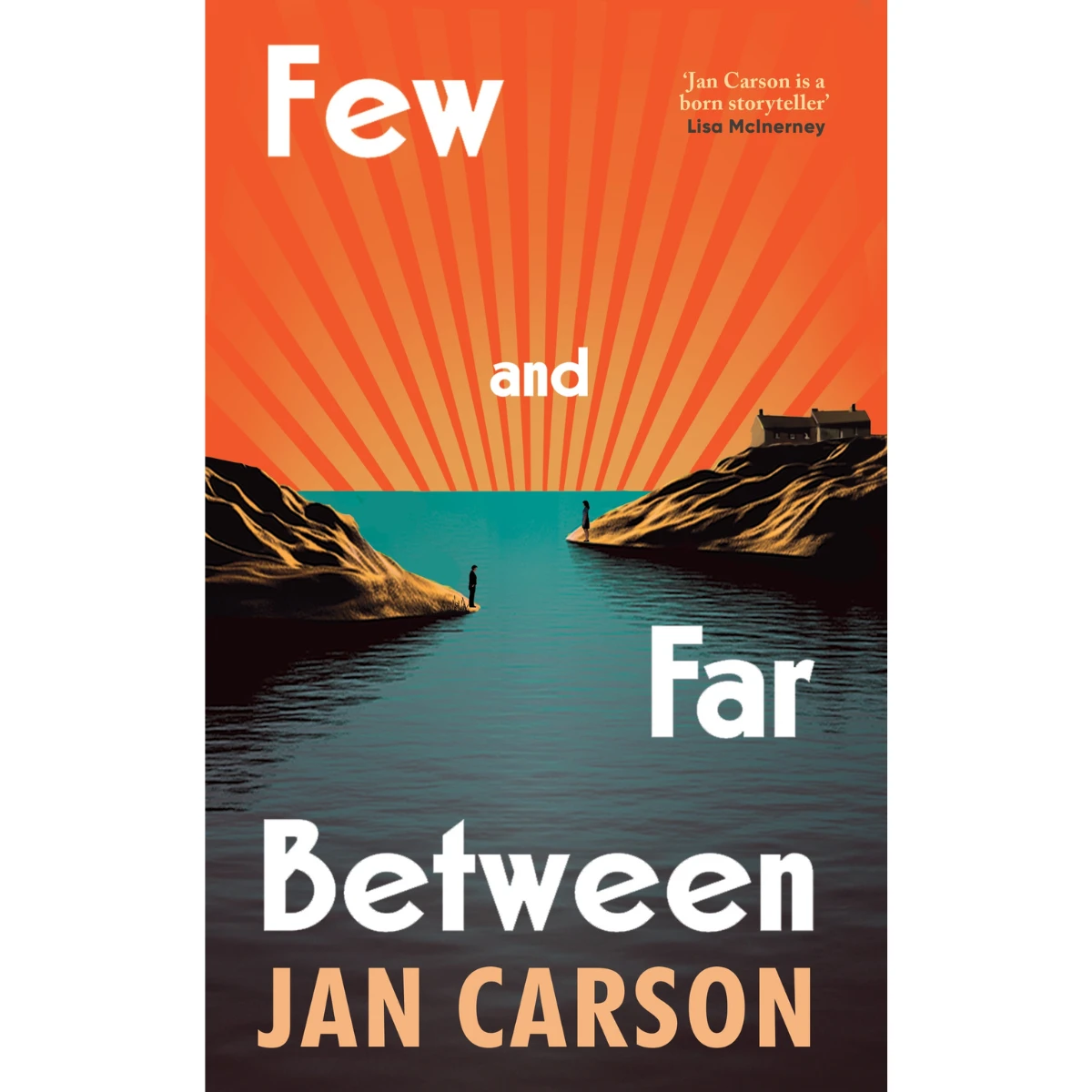
Her ninth book in eleven years, Few and Far Between has just hit shelves.
It’s summer 2017 and the last few residents of the Lough Neagh Archipelago are facing imminent eviction. The flood planned to combat a devastating algae outbreak will submerge their homes, forcing them back to the Mainland for the first time in fifty years.
Robert-John and Marion Connolly came to the islands as children in the 1970s, following their mercurial father, an anthropologist studying the unique society that had developed there. For many, the Neagh Archipelago represented a utopia, a chance to be free of the prejudices and history of Troubles era Northern Ireland. But perhaps this utopia wasn’t all that it seemed.
Marion and Robert-John have grown accustomed to their haunted existence on the Ark, monitoring the mysterious Far Side, where ghostly figures linger and the land swallows secrets whole. How will they cope with a new life on the Mainland? Is it possible to leave the past behind? And will the Ark ever let them go…
Did you always want to be a writer? Tell us about your journey to becoming a published author.
I always loved reading but never thought that I could become a writer. I grew up in quite a conservative religious community with a real wariness of the arts and artists. I studied English Literature at university yet didn’t pick up my pen to begin writing until I was in my mid-twenties. I’d moved across the Atlantic for work and ended up living in Portland, Oregon which was a fantastically creative city with a wonderful writers’ community.
Being around so many people who valued literature and writing was just the impetus I needed to have a go at my first short story. I was absolutely hooked from the get go and continued to write almost every day during the four years I lived in the US, publishing stories in small magazines and literary journals. When I returned to Northern Ireland I began work on my first novel and after several years of writing and redrafting had a chance encounter with a publisher at a friend’s wedding which led to my first major publication. Few and Far Between will be my ninth book in eleven years.
What inspired you to start writing?
I think there was a desire in me to make up characters and stories which I’d avoided for many years. I knew there was something stuck inside me that needed to come out and, to be very honest, felt like there was a huge part of me I had yet to realise. Eventually, I admitted to myself that I’d be plagued by the ambition to write until I sat down and gave it a try. I thought that, at very least, I’d prove to myself I was no good at it and then I could finally move on. Instead, I became almost instantly addicted. I wish I’d started writing ten or fifteen years before I got the guts up to give it a try.
Tell us about your new book. Where did the idea come from?
Few and Far Between is an alternative history exploring what might have happened if one-time Prime Minister of Northern Ireland, Terrence O’Neill had followed through on his madcap 1958 suggestion to drain Lough Neagh and turn it into the seventh county of the North. In the novel, he’s incapable of fully draining the Lough but his attempts do drop the water line significantly and cause an archipelago of Islands to emerge from just beneath the Lough’s surface. During the Troubles a community of people who feel unsafe on Mainland Northern Ireland, seek sanctuary on these islands.
The story begins in 2017 with Robert-John and Marion Connolly, the grown-up children of RJ Connolly, (the anthropologist who documented the community on the “Ark”) fighting to save their island home and avoid imminent eviction. Stormont are planning to release the dams and flood Lough Neagh in a futile attempt to cleanse the lough of a blue-green algae outbreak. Few and Far Between is a darkly funny, and often poignant, magical realist look at Northern Ireland, past and present, which merges bizarre fact with fiction. The idea came to me when a friend emailed me a newspaper clipping about O’Neill’s drainage proposal and suggested it might be exactly the sort of thing I’d write about. For once, this helpful suggestion was spot on.
What do you hope this book instils in the reader?
I like readers to be able to make up their own minds about what my books and stories mean. I tend to work in extended metaphors and parables, and these can often be interpreted in multiple different ways. I actually love it when readers come up with their own ideas about what my books mean. It reminds me that stories are lively, malleable forms of art. However, I will say that I was thinking about trauma a lot when I wrote this book and I hope that readers come to see that burying or ignoring the past is never the correct way to deal with a hurt. Nine times out of ten, the trauma will simply re-emerge at a later date. The entire novel feels like an extended metaphor exploring this truth.
What did you learn when writing this book?
My main thing I learnt from writing Few and Far Between was the importance of editing. I’ve never worked so hard, or for so long, on the editorial process of a novel. The process took over eighteen months and ran to almost thirty drafts. It’s a book with a complex structure. There are three separate strands to the narrative and at times it felt like structural engineering trying to weave all the plotlines and characters together. I’m glad I persevered though. Frustrating as the process was at points, I think it’s always really good for an artist to be continually stretching herself and I learnt so much about myself as a writer in reworking this book.
Tell us about your writing process?
When I’m at home I write for around three hours a day, always in coffee shops and mostly in the morning or early afternoon when my mind hasn’t yet turned to custard. This usually equates to around one thousand words per day which means I can get a first draft completed in three to four months. I spend a lot of time travelling for work and have learnt that it’s almost impossible to write creatively while on the road, but I can edit quite well. I try to always have a work in progress to hand so I can keep chipping away at it when I’m travelling. These last few years I’ve also been lucky enough to have had a number of long residencies which have afforded me uninterrupted time to work on getting a first draft down.
Where do you draw inspiration from?
Everything and everywhere. I’m an extremely nosy person. I go out into the world every morning with my ears flapping and my eyes peeled back, expecting to encounter stories everywhere. Rarely does this part of the world disappoint.
What are your top three favourite books of all time, and why?
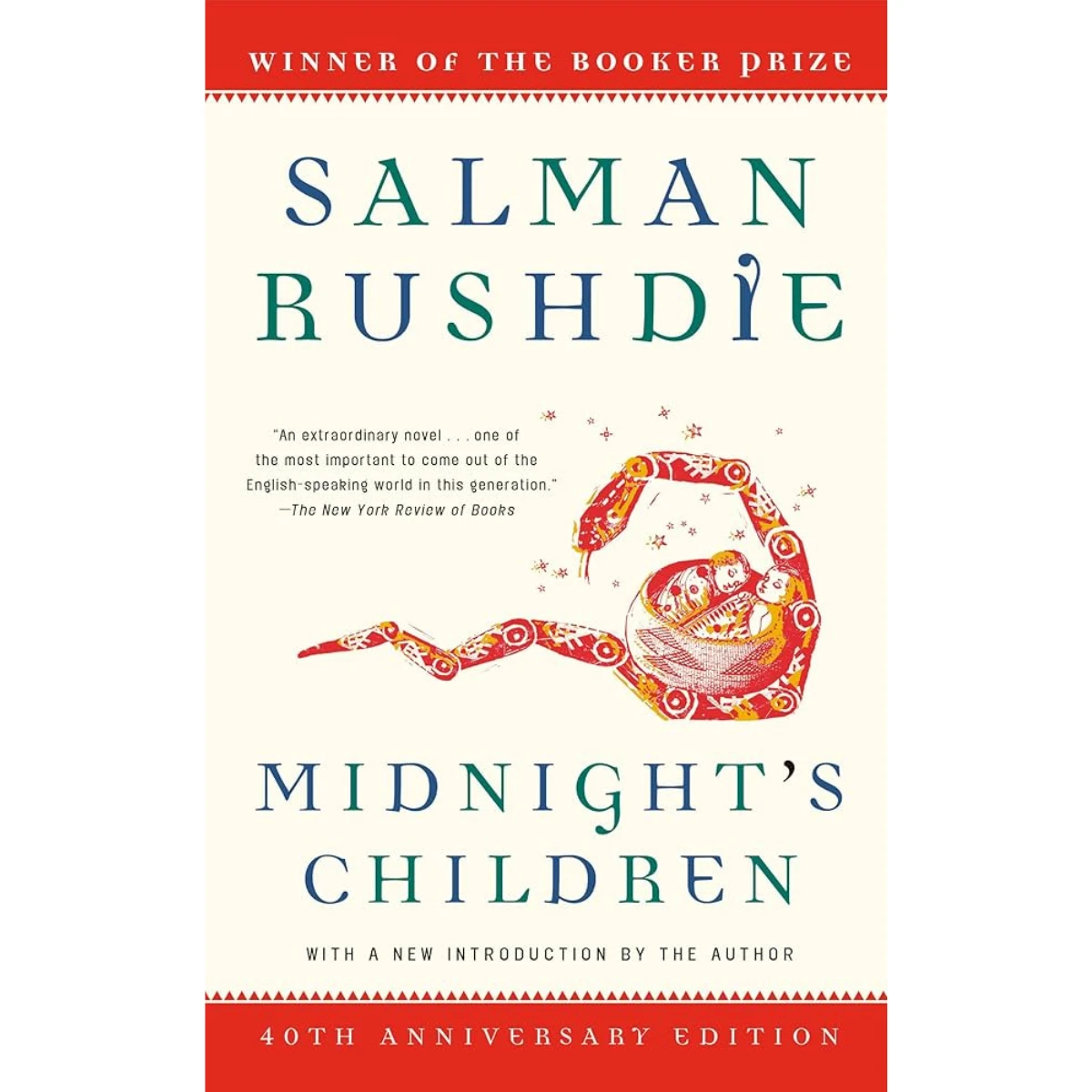
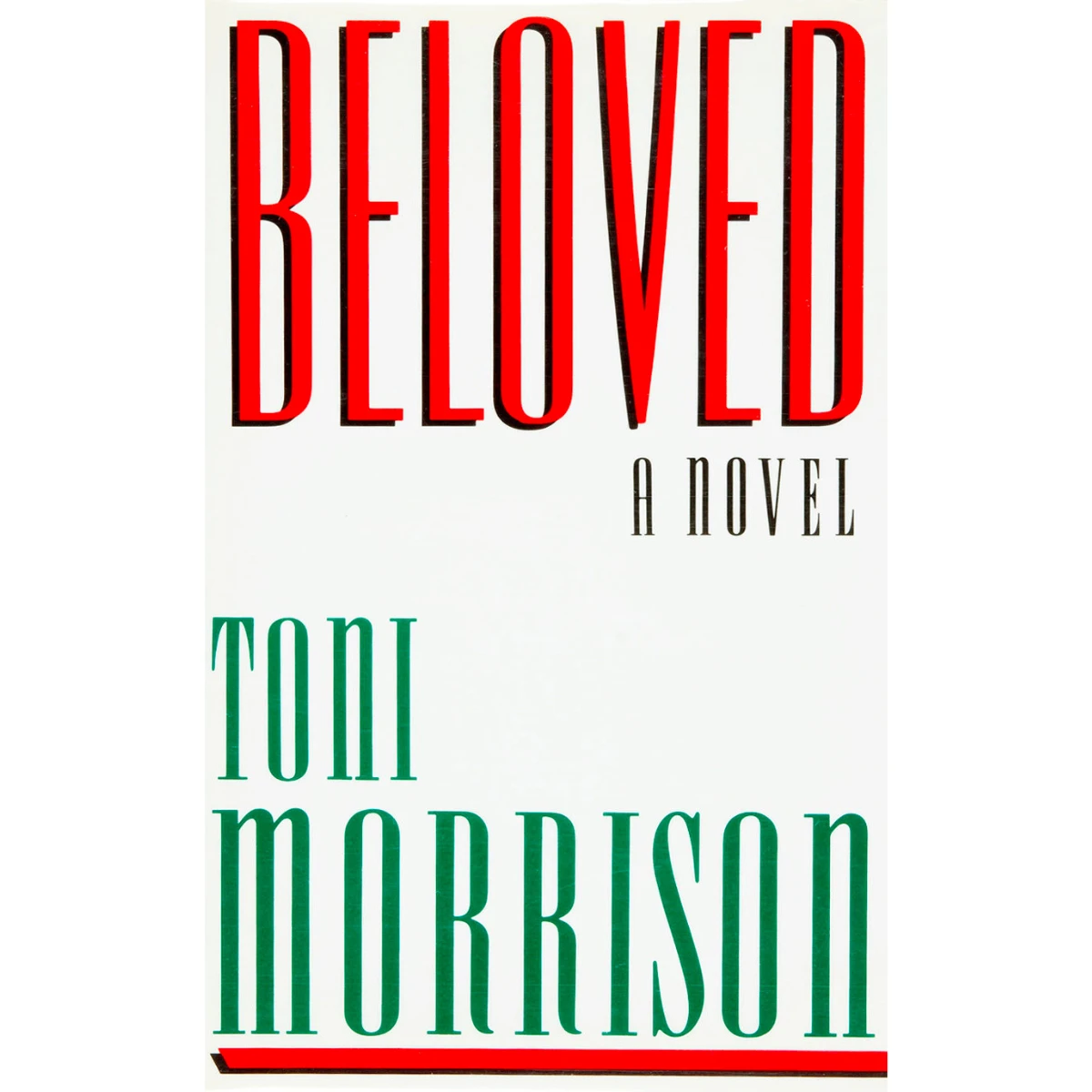
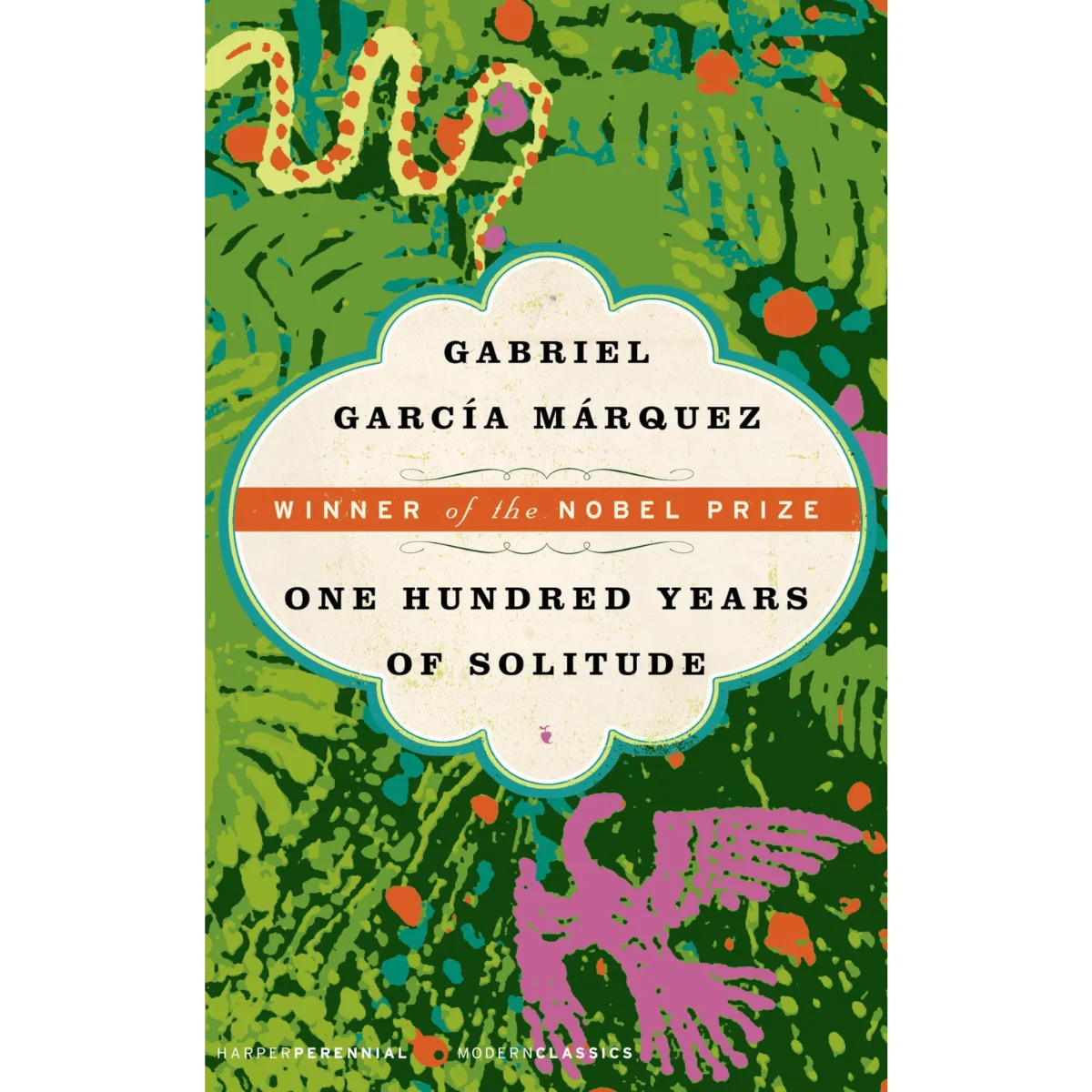
That’s a very hard question and it does change frequently, but I’ll go with three books that I’ve come back to again and again throughout my life. The first would be Salman Rushdie’s Midnight’s Children. It’s the book I wish I could write. It’s such a great example of socio-political magical realism. It’s funny, clever, quirky, beautifully written and full of insight into India’s complex history. On a similar note, I’d pick Gabriel Garcia Marquez’s A Hundred Years of Solitude. The magic in this novel blends so seamlessly with the real. It’s a waking dream of a story, full of truly memorable characters. Finally, I’ll go for Toni Morrisson’s Beloved. There’s a passage in this novel where Baby Suggs delivers a sermon in a forest clearing and it’s probably the holiest piece of writing I’ve ever read. It demonstrates the way good literature can transcend the page and impact a reader emotionally, spiritually and even physically. Beloved is such a powerful novel from start to finish.
Who are some of your favourite authors, Irish or otherwise?
My favourite dead author is Flannery O’Connor. I’m a big fan of a lot of the Southern Gothic writers. Their preoccupations with religion, the family and the grotesque really seem to resonate with the themes I tend to circle around in my own work. My favourite non-dead writer is George Saunders. He is a master of the short story. I think his work has breathed new life into the form. His practice is deeply respectful of the short story tradition and yet simultaneously unafraid to undermine conventions and re-write the rule book. He’s one of the few writers who can make me laugh and tear up within a sentence or two.
What are some upcoming book releases we should have on our radar?
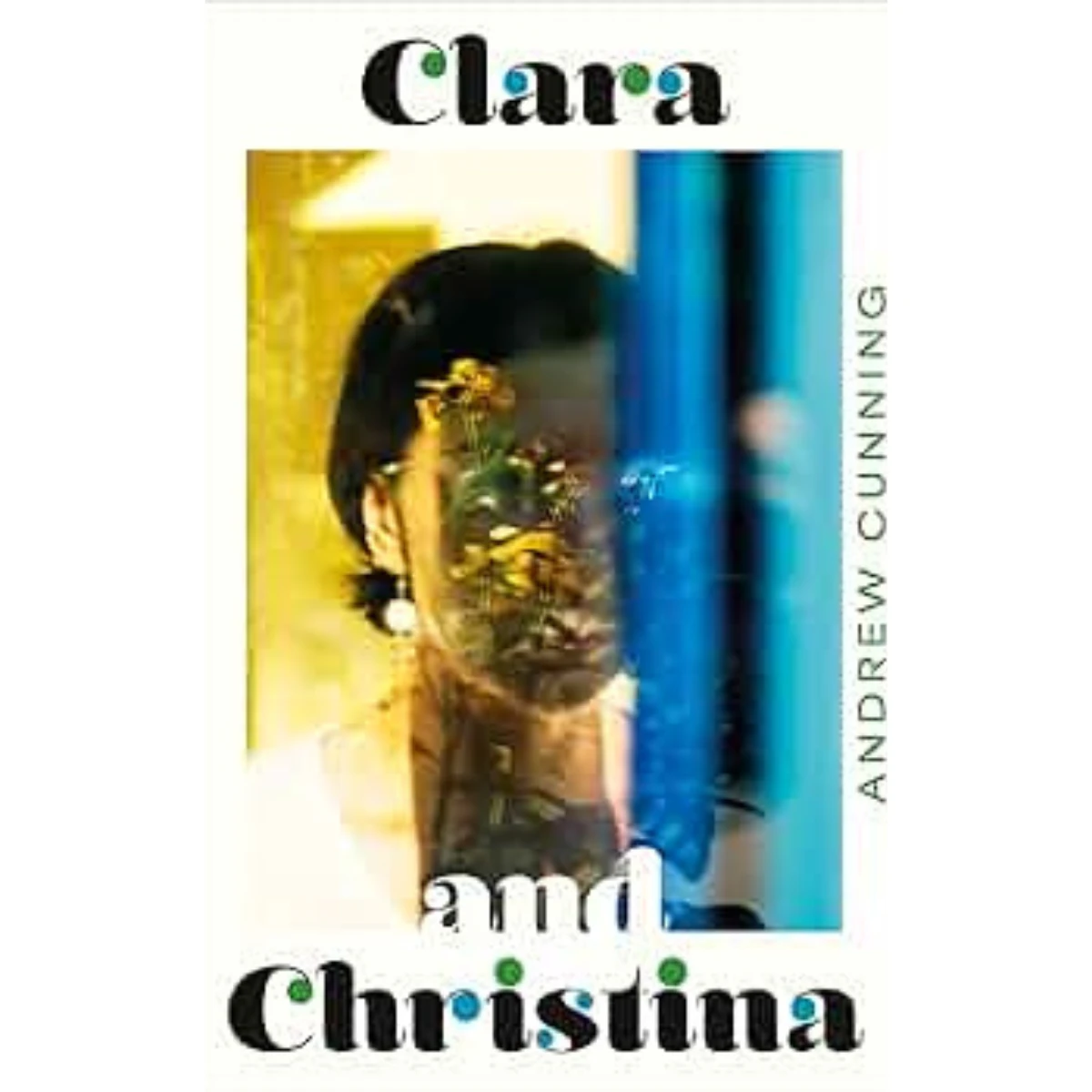
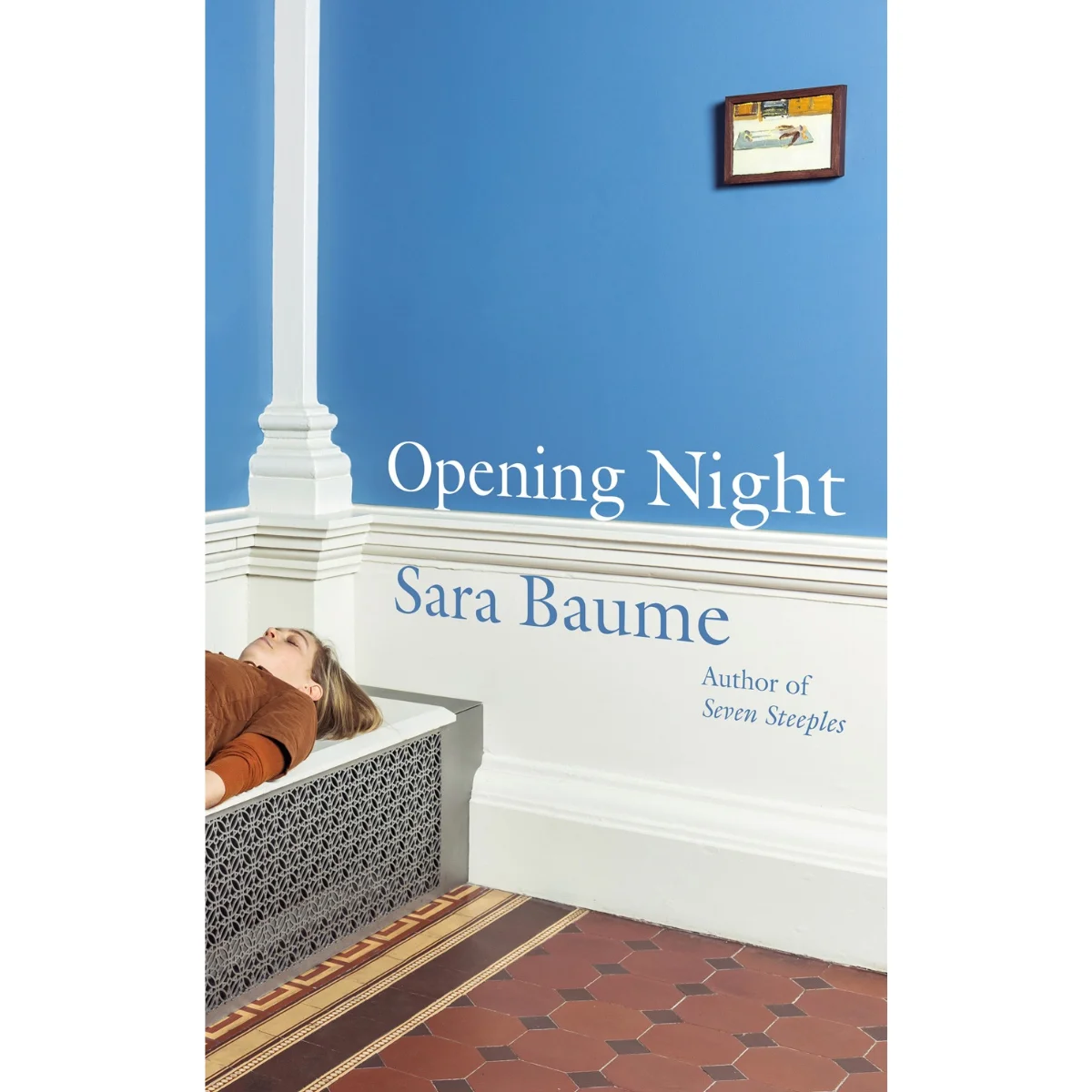
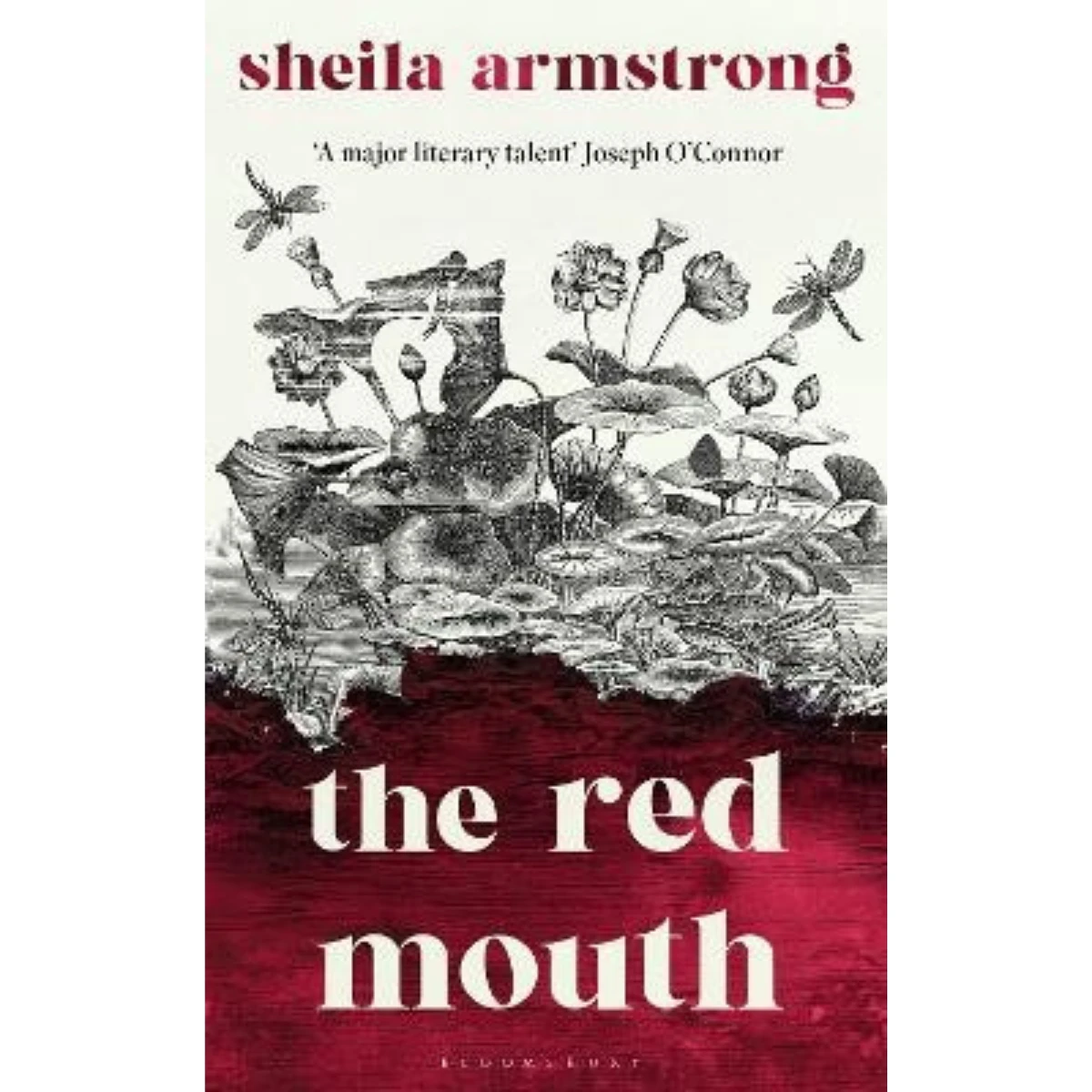
I really enjoyed getting an early read at Andrew Cunning’s debut novel, Clara and Christina. It’s a thought provoking and beautifully written account of the friendship which blossoms between an established older novelist and a young academic. It’s coming from John Murray in July. I also adored Sara Baume’s Opening Night, a non-fiction account of her friendship with the American artist Mollie Douthit complete with stunning images of Mollie’s artwork. Granta will publish it in July. Finally, am watching the front door like a hawk, waiting for the postman to deliver a proof of Sheila Armstrong’s new novel, The Red Mouth which Bloomsbury are publishing in July. I am a huge fan of Sheila’s writing and suspect this might be her best yet.
What book made you want to become a writer?
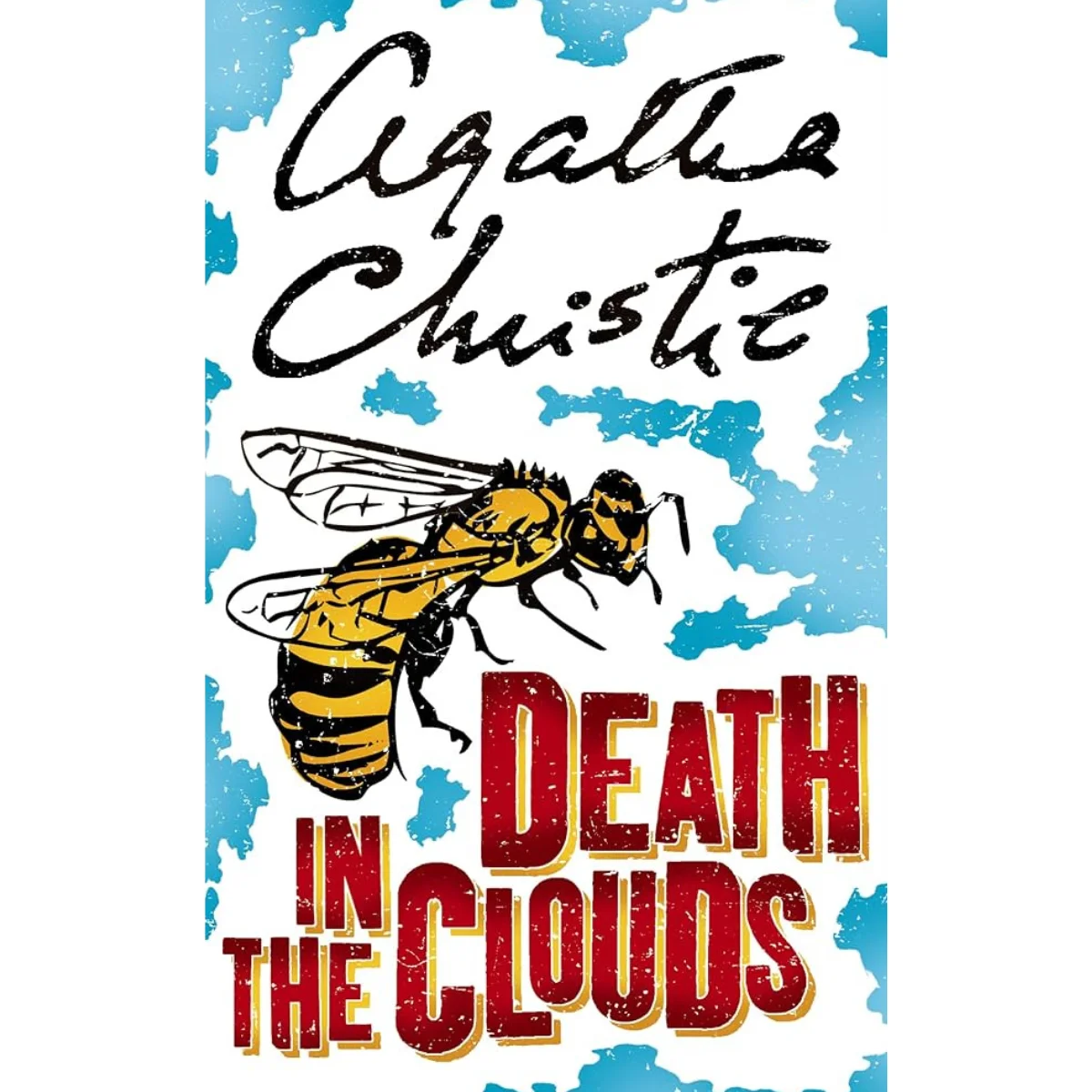
Agatha Christie’s Death in the Clouds, which isn’t by any means her best work, but was probably the first grown up book I read. I was eight when I first encountered Christie and Poirot and was instantly in awe of the way she could use words and story to make me feel simultaneously terrified, curious and captivated. I will love Agatha Christie until I die.
What’s one book you would add to the school curriculum?
I couldn’t definitively name one book. I wish teachers had more freedom to choose books which really speak to the young people they’re working with. Not every book will open itself up to every reader and I honestly believe that if there were space and time for the school curriculum to tailor the reading experience to best fit each child, more children would leave school as lifelong readers rather than thoroughly sickened by the idea of books.
What’s the best book you’ve read so far this year?
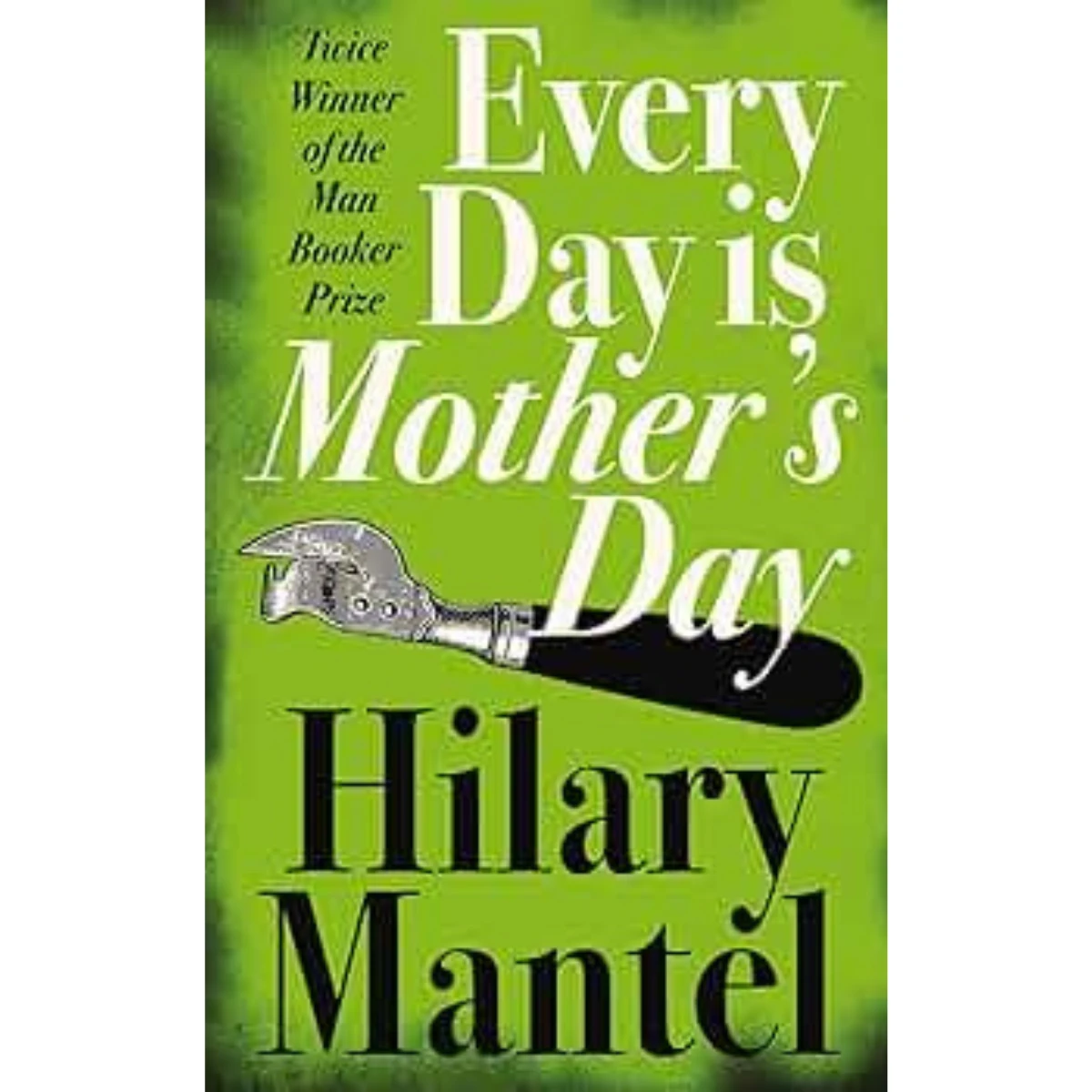
I’m in the middle of a year of reading all of Hilary Mantel’s books in chronological order. Ideally, I’d say all five of her books which I’ve read so far but, if I had to pick one, I’d go for her first publication Every Day is Mother’s Day because it’s got absolutely everything you’d want from a Mantel novel: satire, slightly grotesque characters, dark humour, careful observations and the most perfectly crafted sentences. It is so good.
What’s your favourite bookshop in Ireland?
No Alibis in Belfast. My second home. The centre of our writing community here in the North. In my opinion, the best bookshop in the world.
What’s some advice you’ve got for other aspiring writers?
Read everything you can get your hands on. It’s great to do workshops and classes. It’s fabulous to develop a writing routine that works for you. But the absolute best thing you can do to improve your writing is to read intentionally and learn from what you’re reading. Everything you need to know about writing can be found on the shelves of your local library.
Lastly, what do the acts of reading and writing mean to you?
I read to understand the world. I write to better understand myself. Occasionally these two sentiments switch places and that’s when the magic really kicks in.
‘Few and Far Between’ by Jan Carson (€16.99, Doubleday) is on sale now.
Feature image by Polly Garnett.
Also Read