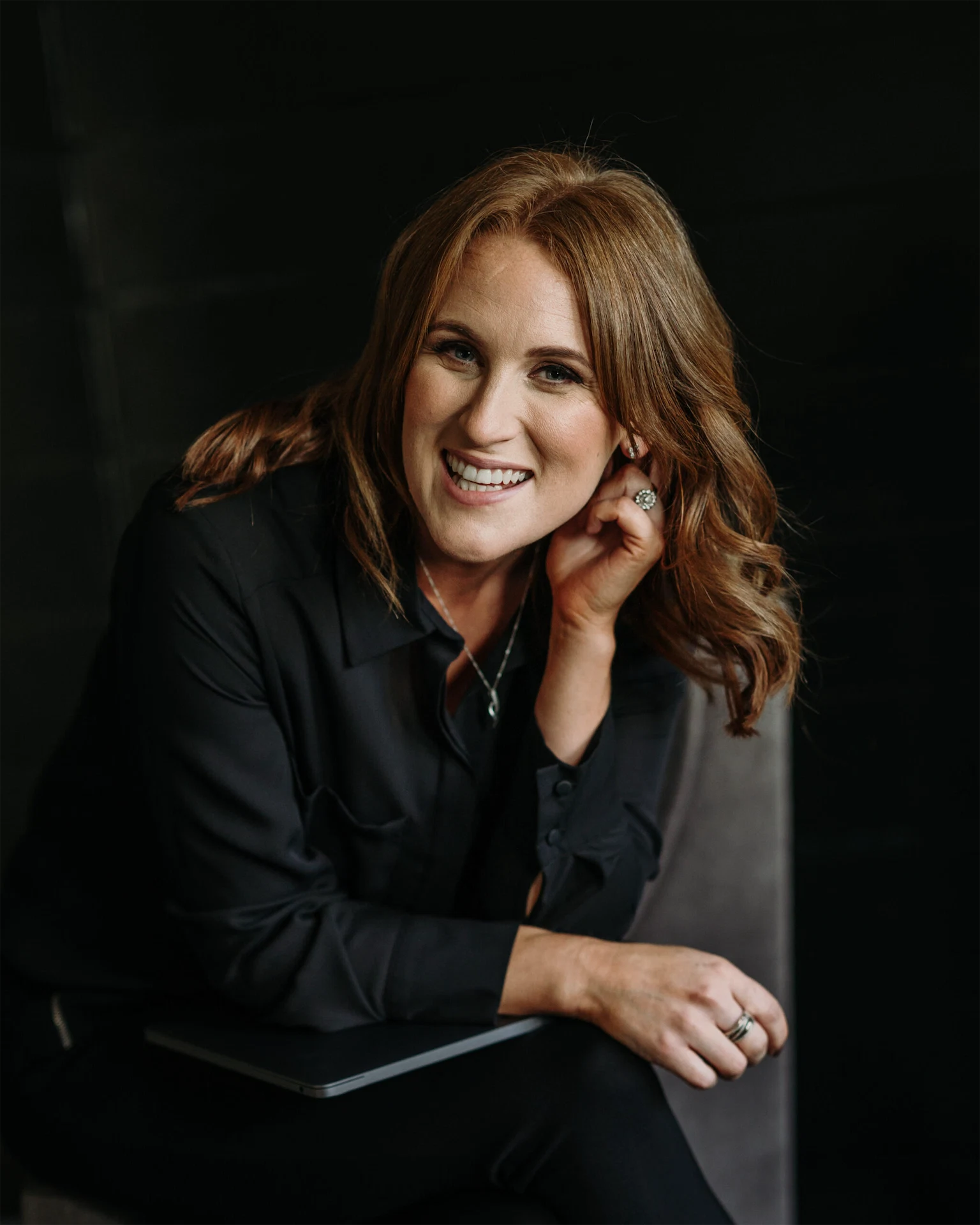








Award-winning wedding expert Sara Kennedy breaks down the modern wedding budget – looking at real costs, rising pressures couples face and how they can stay in control.
If there’s one statistic that gets quoted endlessly when it comes to weddings in Ireland, it’s that the “average wedding costs €30,000.” It’s everywhere. While that figure isn’t wrong, it’s also not telling the full story.
In reality, the couples I speak to every week are landing in very different places. Many are telling me their weddings are coming in closer to €40,000 at a minimum, particularly if they’re opting for exclusive-use or higher-end venues. At the same time, I’m also seeing a growing cohort of couples who are intentionally staying well under €30k, choosing smaller guest lists, micro weddings, or more pared-back celebrations.
The truth is, there is no longer one “normal” wedding budget in Ireland. What is consistent, however, is that many couples end up going over budget, not because they’re wasteful or extravagant, but because they simply don’t realise how expensive a wedding is from the outset.
Why weddings feel so much more expensive than expected
One of the biggest shocks for couples is how quickly costs stack once the venue is booked.
At the lower end of the market, you may find venue packages starting around €79 per guest. But for couples looking at exclusive-use venues or more premium spaces, €120 to €250+ per head is increasingly common, and that’s just for the venue.
On top of that, you then need to layer in everything else:
- Photographer, videographer and maybe a content creator
- Ceremony and celebrant fees
- Dress, suit and alterations
- Cake, flowers and décor
- Band and DJ
- Rings
- Accommodation
- Pre-wedding beauty
- A day-two event
Before you know it, a wedding that felt “reasonable” at the beginning is very much in €40k+ territory.
Most couples don’t go over budget because they’re booking unnecessary extras. They go over because they underestimated the true cost of the basics.
Rising costs and a squeezed generation
Another factor that cannot be ignored is this: costs across the wedding industry are rising, and couples getting married over the next one to three years are really going to feel it.
Food, staffing, energy, insurance and materials have all increased. While venues and suppliers are doing their best to absorb some of that pressure, it’s simply not realistic to expect prices to stay static. Couples planning for 2026, 2027 and beyond need to factor in not just today’s prices, but future affordability too.
At the same time, we’re seeing a major shift in life sequencing. Years ago, many couples married first and bought a house later. Now, it’s far more common to see couples buying their home first, often stretching themselves to do so, and only then turning their attention to a wedding.
This generation is squeezed from all sides: rent or mortgage payments, rising living costs, and in many cases, young children already in the picture. It has never been harder to balance all of this financially.
From my time working in wedding venue consultancy, the standard booking window used to be around 12 months. That has changed significantly. Many couples are now booking 18 months to two years in advance, sometimes to secure high-demand venues, but very often because they simply need more time to save.
To put that into perspective: If we assume a wedding budget of €40,000, and a couple wants to fund that through savings alone, they would need to save just over €2,000 per month between them. That’s a huge commitment when you factor in housing costs, childcare and everyday expenses.
This is why I regularly caution couples about taking out loans for their wedding. I hear from many who do and just as many who later regret it. A wedding should be a joyful milestone, not a financial hangover that follows you into married life.
How to avoid the biggest budget trap
Something that never ceases to amaze me is how differently couples approach wedding spending compared to other big purchases.
If someone is buying a car, they’ll research for weeks. They’ll read reviews, test drive multiple options, compare prices and scrutinise every detail. When it comes to weddings, however, decisions are often made based on aesthetics alone, how a venue looks on Instagram, or how a supplier made them feel in the moment.
Emotion matters…. but so does due diligence.
I always recommend getting three quotes for every major element of your wedding. In practical terms, that often looks like:
- Viewing five or six venues
- Narrowing that down to your top two or three
- Running the numbers side by side
- Weighing up both the financial and emotional pros and cons
Even if the venue you love is more expensive, you’ll know you made that decision with clarity and not impulse. More importantly, you won’t be left wondering later if you missed a better option.
It’s also worth asking venues and suppliers if they can add value. Not all will, but some might offer an upgrade, an extra, or flexibility that makes a meaningful difference.
Why couples panic near the finish line
Another common reason budgets creep up is panic.
As the wedding day gets closer, couples often feel like they “haven’t enough”! Not enough décor, not enough moments, not enough extras. This is when impulse bookings happen, particularly after wedding fairs or social media scrolling.
These last-minute additions are rarely budgeted for, and they add up fast.
Structure is your best defence here. I always recommend working from a detailed budget tracker that itemises everything, including the small things. I have one available on my site, and it’s designed specifically to stop this kind of late-stage overspend.

How to keep your wedding budget under control
There are ways to rein things in without sacrificing the experience:
- Reduce your guest list — nothing impacts cost more.
- Consider off-peak months or midweek dates — venues are still busy, but pricing can be more favourable.
- Shop around properly and compare like-for-like packages.
- Look to sample sales or pre-loved options for bridalwear if fashion is important, but budget is tight.
- Choose one or two priorities, rather than trying to do everything.
- Save intentionally and give yourselves enough time.
Most importantly, don’t rely on guests’ gifts to fund your wedding. While Irish guests are incredibly generous, often giving €250–€300 per couple, that money should be a bonus, not a necessity.
Top tips
Wedding budgeting in Ireland has become more complex, more emotional and more pressured than ever before. There is no single “right” budget anymore, only what works for you, your life stage and your financial reality.
The couples who feel the least stressed are not the ones with the biggest budgets. They are the ones who:
- Start early
- Research properly
- Understand the true costs
- Give themselves time
- And make confident, informed decisions
A wedding should mark the start of your life together and not put you under financial strain before it even begins.
Also Read