




What She Said: ‘Men are nowhere near as likely as women to seek professional mental help’
IMAGE.ie columnist Caroline Foran on the reasons men might not seek mental health support.
Recently I interviewed an expert about men’s mental health and the significant roadblock that is their collective reticence to seek help when they need it. I was so looking forward to the conversation; it’s a massively important subject, especially when you consider the suicide rates among men in Ireland.
Alas, the guy turned out to be a bit of a quack, peddling his own made-up course about connecting with our higher ‘consciousness’ in order to rid ourselves forever more of all our troubles, and all for a very affordable price. This happens every so often when I don’t do as rigorous a background check as I should on my supposed ‘experts’. Entirely my own fault. On the subject of men, he went off on quite the ‘not all men!’ rant, while being quick to press that he was ‘all for’ the Me Too movement. He spoke at length about how hard it is to be a man right now, while I was as mute as I’ve ever been during a podcast. My husband watched the video recording back, agreeing that I could not in good conscience share the interview with my listeners, many of whom would be in a vulnerable state of mind, looking desperately for a quick fix, the rest of whom would just give up on the podcast and never come back. He also commended me for my Oscar-worthy performance; how I managed to keep a straight face and entertain that level of BS for a whole hour, I’m not sure. It was impressive if I do say so myself. Car crash interview aside, I had already gathered insights from my Instagram followers (my ready-to-go focus group) on the topic of men seeking help. It was clearly a source of considerable concern for my (mostly female) followers and so I decided – by way of this column – it was still important to share.
There are few who would dispute the fact that men are nowhere near as likely as women to seek professional help. If we think they’re rubbish at going to the doctor when their head is physically hanging off, they’re even worse when it comes to their mental health. The only man in my life who I wouldn’t worry about in this regard is my older brother. Maybe it’s partly because of what he’s seen me go through with my own mental health struggles. He’ll be the first person to cop when he’s not feeling right and reassuringly, he’ll do something about it. Most recently, I beamed with pride as he recognised he had hit a low point (at the crux of it was a simple matter of prolonged sleep deprivation in his first year of parenthood that hampered his thinking) and of his own volition picked up the phone and made an appointment. There was no nudging required. He won’t mind me sharing that; if there’s not enough awareness of men’s mental health in general, there’s even less awareness that their mental health might be impacted in early fatherhood. My brother doesn’t perceive a physical or emotional ailment as a sign of weakness, or some sort of threat to his masculinity. He takes care of himself. But worryingly, among the males of the species, this particular kind of proactivity is extremely rare. Only 26% of those who took part in my poll said their partner would seek support without needing encouragement. But this was for a physical ailment. For mental health difficulties, only 12% believe their partner or the males in their life would take action.
Part of it, it seems, is the age-old belief that men shouldn’t show any kind of vulnerability. This still drives a lot of the reluctance and this was abundantly clear from my Instagram followers (42% said there was a fear of appearing weak). However, a larger part of the problem might be a lack of awareness of what depression or other mental health struggles can look like for a man. Studies show the symptoms can differ quite significantly across genders. And as someone who considers themselves well versed in mental health research, this was not something even I was aware of. A study by the University of Utah highlights this as perhaps the most significant roadblock: there’s just not enough awareness of how depression in particular can manifest for a man. Not recognising their symptoms as indicative of depression – for example, increased irritability or frustration, engaging in more reckless behaviour or showing more physical symptoms like headaches – they tend to overlook or even downplay their experience. Another study on the gender differences in self-reporting shows that women will present more frequently and most often with mild depressive symptoms (meaning they’re acknowledging it at the outset of the problem and able to recognise it), while men will tend only to present whey they’re already at a crisis point (88% of my followers said the men in their life would wait until things had gotten very bad. This is far too high a number). So perhaps it’s not just that they are finally willing to ask for help at crisis point, it’s that they only now realise they have a problem in the first place. To mind, this would be a good place to start. And I’ll do that here rather than in an interview with a snake oil salesman.
CURRENTLY OBSESSED WITH
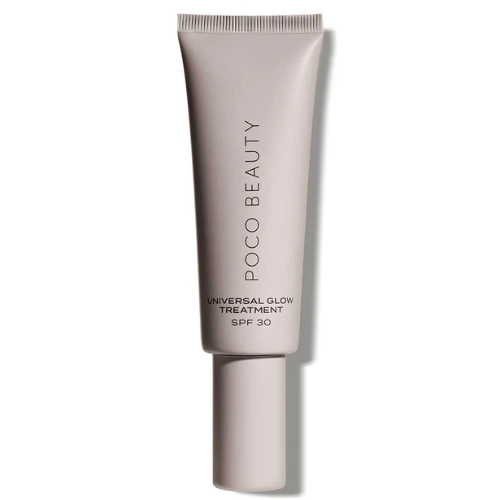


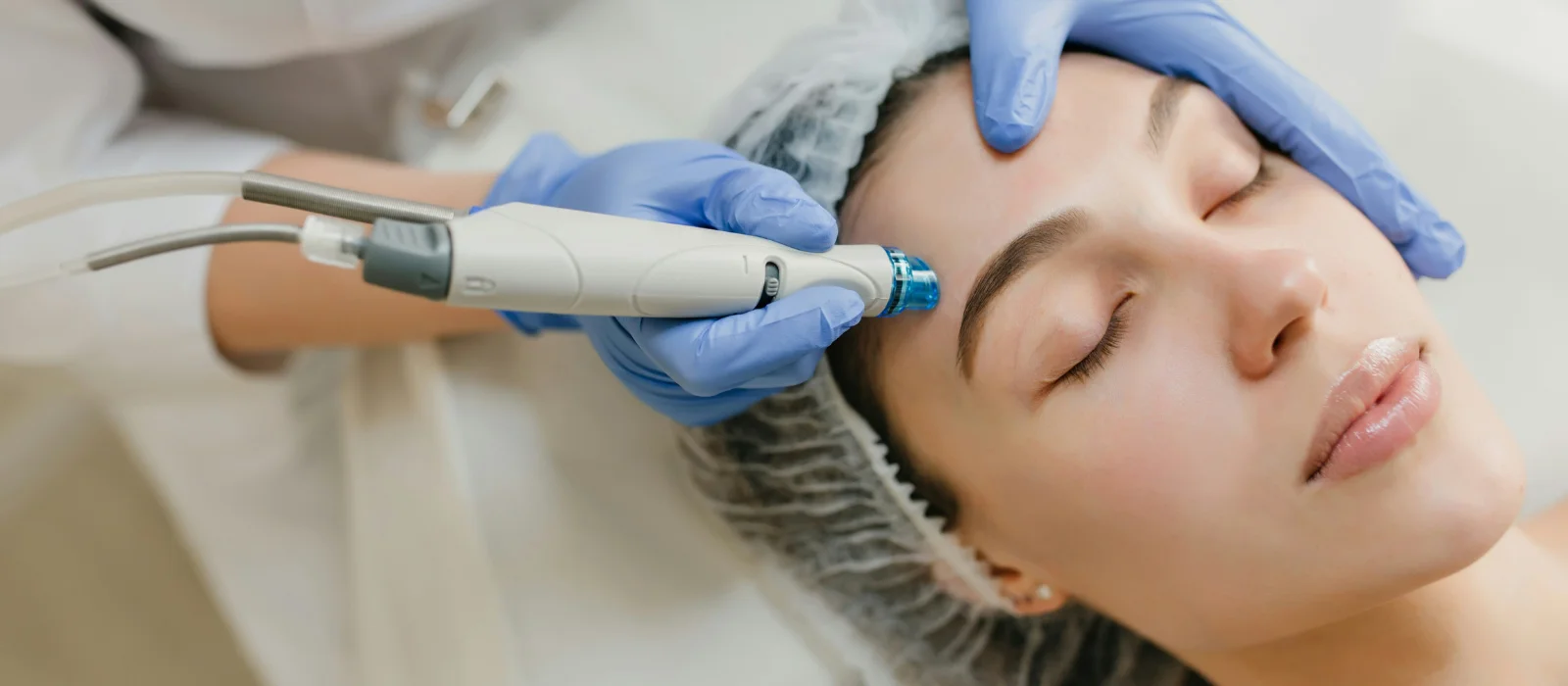
POCO Beauty Universal Glow Treatment, €30, this brand new innovation from Pippa O’Connor really delivers on glow (and skincare goodness) without looking like your head is a disco ball.
Sezane L’appartement, which I recently had the pleasure of visiting in London. This French fashion label has gone from strength to strength and I’m still wearing items I bought three years ago.
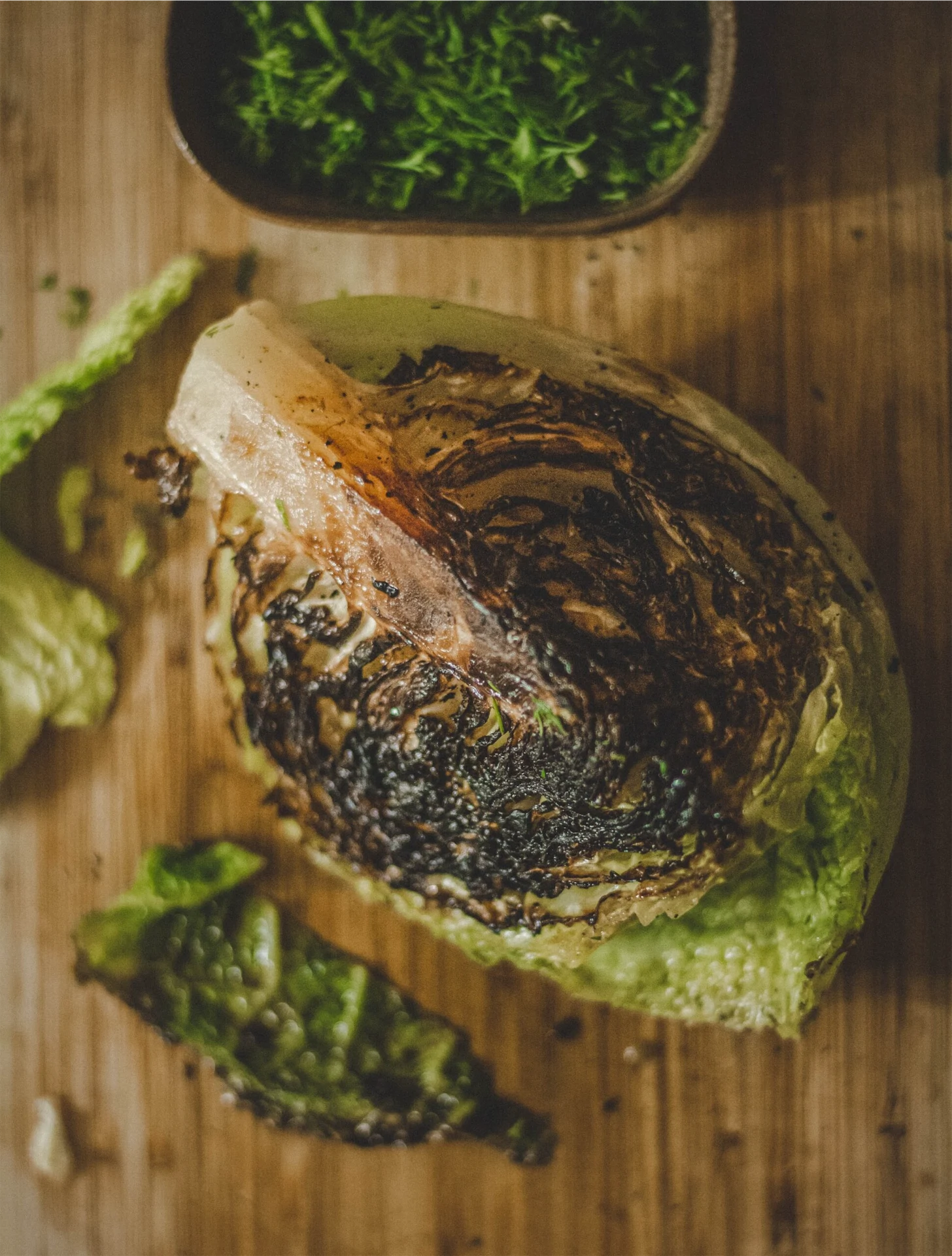
Hispi cabbage. Hear me out on this, cabbage is having a moment. While in London, it appears again and again as a side dish, with satay sauce and crispy bits on top and it is divine. It will soon be the talk of the town in Dublin.
Britney Spears’ memoir, The Woman in Me. Don’t come for the excellent writing, but do come to hear things from her point of view. Fans of Justin Timberlake need not apply.
For more of Caroline’s writing, follow her here on Substack.
Also Read