





Ask the Doctor: ‘I’m in my 40s, but when I was a teenager I used sun beds and got burnt a lot. Does this make me more likely to get skin cancer?’
By Sarah Gill
07th Feb 2023
07th Feb 2023
All your burning health questions answered by the professionals.
“I’m now 40, but when I was a teenager I used sun beds and spent a lot of summers without using sunscreen. I got badly sunburned about 20 years ago and, even now when I get any sun, I can see more damage in the area burned all those years ago. Does this make me more likely to get skin cancer and is there anything I can do to erase this damage?”
Answer from Ms Yasmin Ismail, Consultant Plastic, Reconstructive & Aesthetic Surgeon including Paediatrics, Beacon Hospital.
Advertisement
Skin cancer is the most common cancer in Ireland, with over 13,000 cases diagnosed every year. The National Cancer Registry of Ireland expects this number to double by 2040 unless Irish people radically alter their precautions against sun exposure. All of the types of skin cancer, including malignant melanoma — which can be the most dangerous type — are curable if caught in the early stages.
Sadly, on average, four people die each week due to skin cancer. Sunburn accelerates skin ageing and is a leading cause in the majority of cases of the different types of skin cancer including basal cell carcinoma, squamous cell carcinoma, and melanoma.
Sunlight exposure damages skin cells and increases skin cancer risk. Earlier sunburns may be particularly dangerous, as they can lead to permanent and irreversible damage. As a result, any further sunburns are likely to increase the risk of skin cancer.
Although sun damage to the skin may not be apparent in the earlier years, it will show later in life. This is not only in the form of skin cancer but also other things such as wrinkles, freckles, sallowness and precancerous changes.
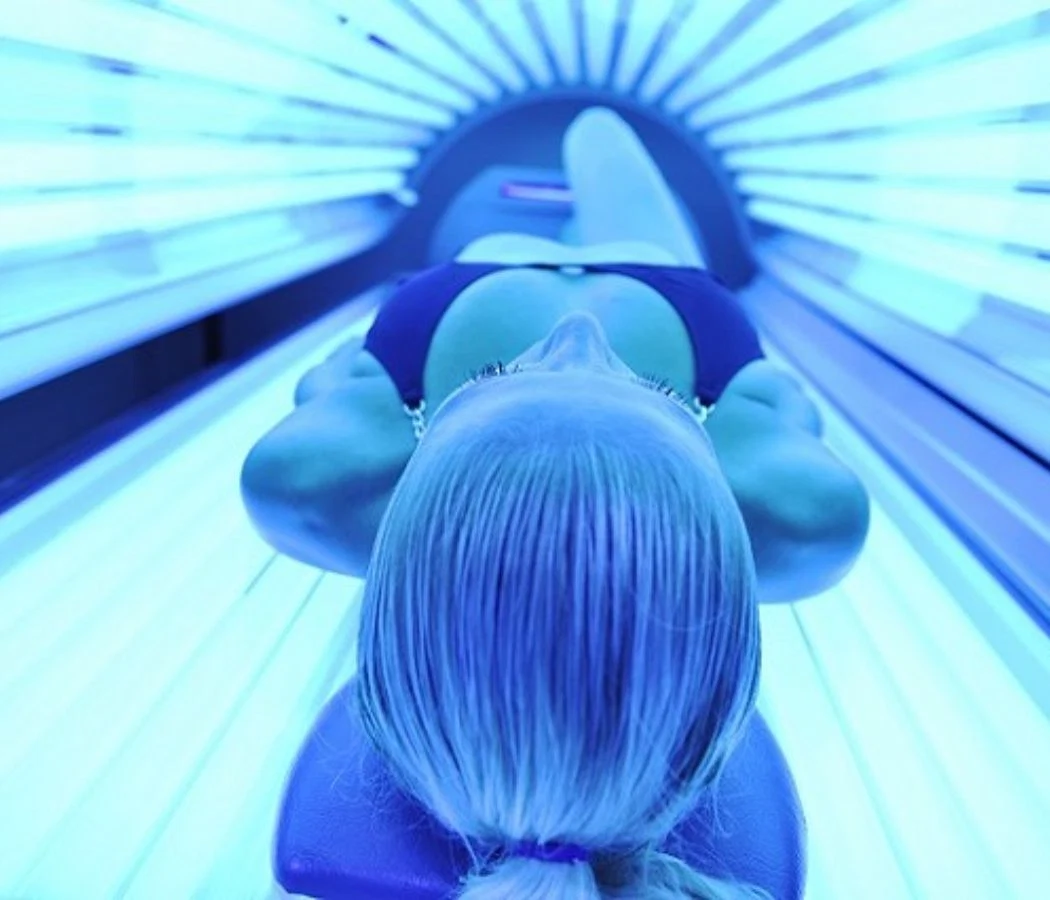
Sunbeds can increase the risk of skin cancer by up to 20 percent and provide no positive benefit to health. They should be avoided at all costs, as they do not provide a “healthy tan”.
It is never too late to take comprehensive preventative measures against future sun exposure to minimise skin cancer risk and be vigilant of the signs of skin cancer. Skin protection is required when the UV index is 3 or above and is typically in this range in Ireland from April to September, even when cloudy.
Advertisement
Specific measures include limiting exposure between the hours of 11am and 3pm, covering as much skin as possible with loose woven clothing, applying sunscreen with an SPF of at least 30+, sunglasses, wide-brimmed hat (protects face, ears and neck) and seeking shade to avoid direct sunlight.
Skin cancer arises from the layers of the skin including the epidermis and dermis. Signs include changes in existing or new moles (size, asymmetry, colour, bleeding and ulceration) or ulcers, isolated crusty red patches of skin, nodules or raised bumps which fail to heal and/or bleed within a period of 4-6 weeks.
It is imperative to seek advice from your GP should there be any concerns and be referred to the appropriate specialist for further assessment.
Have a question for the professionals you’d like answered? Get in touch with sarah.gill@image.ie with the subject headline ‘Ask The Doctor’.



Also Read