





This Dublin 8 cottage was reimagined to create a deceptively spacious home
Reimagining a small house on a tight site can be a more satisfying challenge than a blank canvas, as this renovation of a late 19th-century urban cottage in Dublin 8 shows, writes Emma Gilleece.
Architect Irene Kelly got the keys to this single-storey terraced house in 2016, after it had been vacant for a couple of years. With her love for conservation, she recognised that the dilapidated cottage had good bones, and she enjoyed researching this historic area of Dublin. Rialto’s charm of being named after a Venetian bridge was nearly as enticing as the sense of community this urban village offered.
In spitting distance of the Grand Canal, built by the Guinness Brewery for transporting its stout, which is now chaperoned by the Luas Red Line, and locally known as “The Dry Canal”, the cottage is a result of a request made by Sir Edward Cecil Guinness. Recognising that good housing conditions made for healthier employees, he requested in the early 1800s the Dublin Artisans’ Dwelling Company (DADC) commence building homes for his brewery workers.
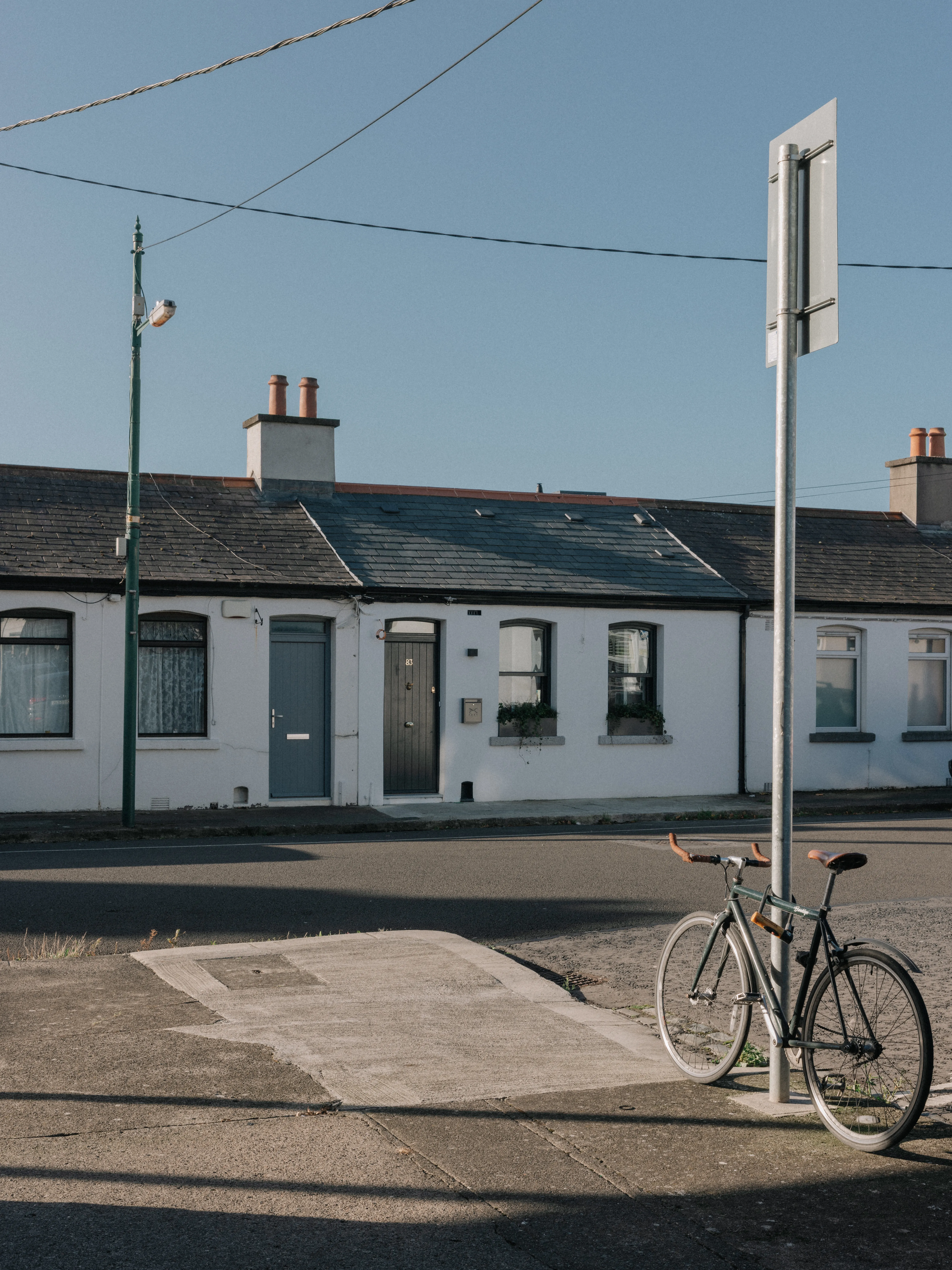
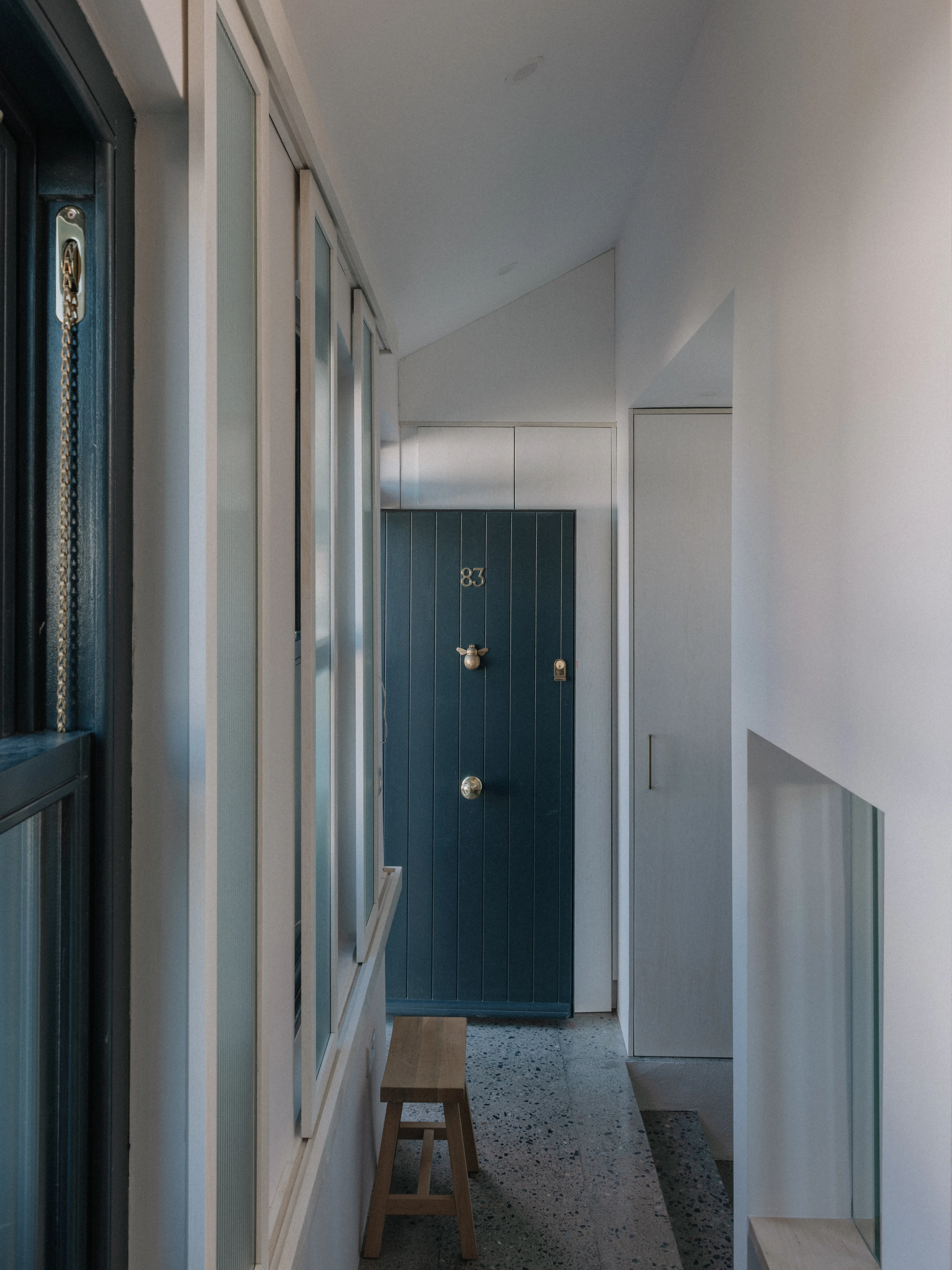
Completed in 1890, this cottage is a Type E with an entrance door set to the left flanked by two cambered windows, with a render finish. Underneath layers of paint, the original granite window sills were still in situ, along with the outhouse in the backyard. Additionally, a boot-scraper was still intact to the right of the door to enable the occupant to scrape “the street from the feet” before entering the house. At a modest 72 square metres internally, increased from 52 originally, it is more suited to a couple or single person today rather than the original large families. With a hand on the original sink she found in the scullery, Irene recounts a neighbour summing up the era of the house with “think of every baby that was bathed in that sink”.
Working in association with Ceardean Architects, Irene changed the internal layout of the cottage, pulling bathrooms and bedrooms away from both street windows – “these eyes to the public realm no longer need to be permanently obfuscated […] instead, internal fluted-glass, sliding shutters can moderate privacy to different degrees, setting up a dialogue with the street and the surrounding area.” Although the house is not a protected structure, it does lie within an Architectural Conservation Area (ACA). This means that any submission for changes to the appearance of the front façade would need to take the special character of the area into account.
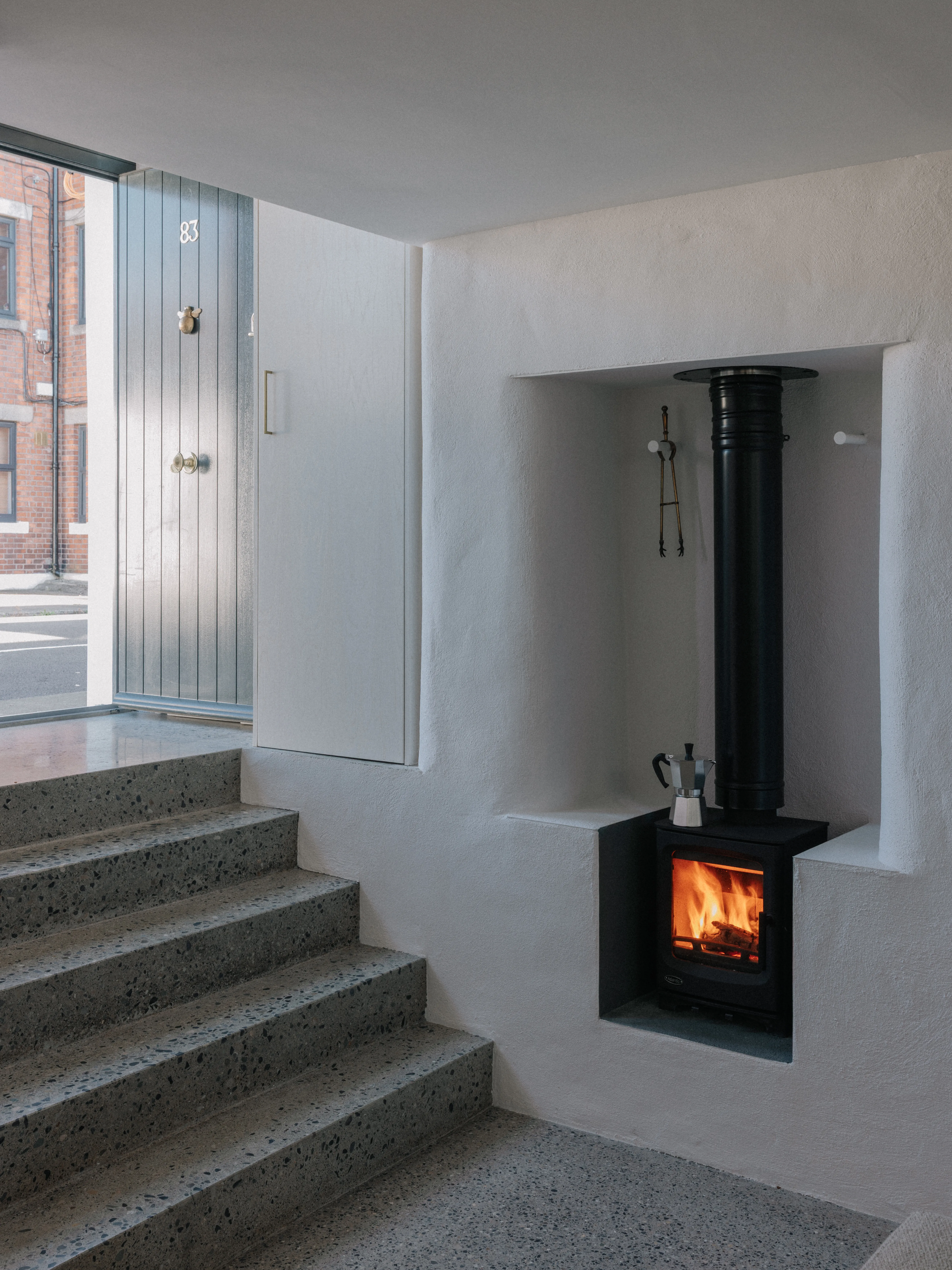
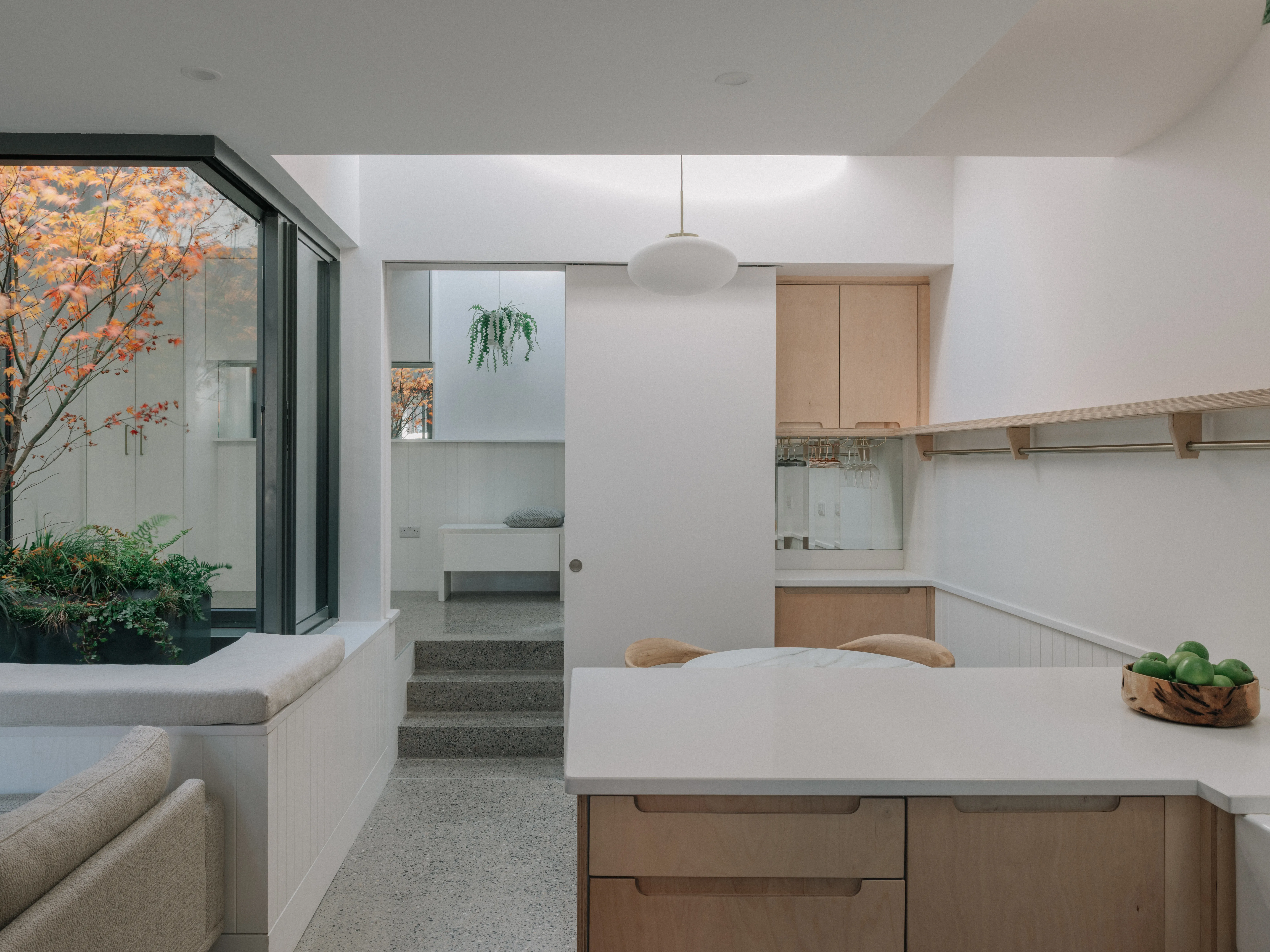
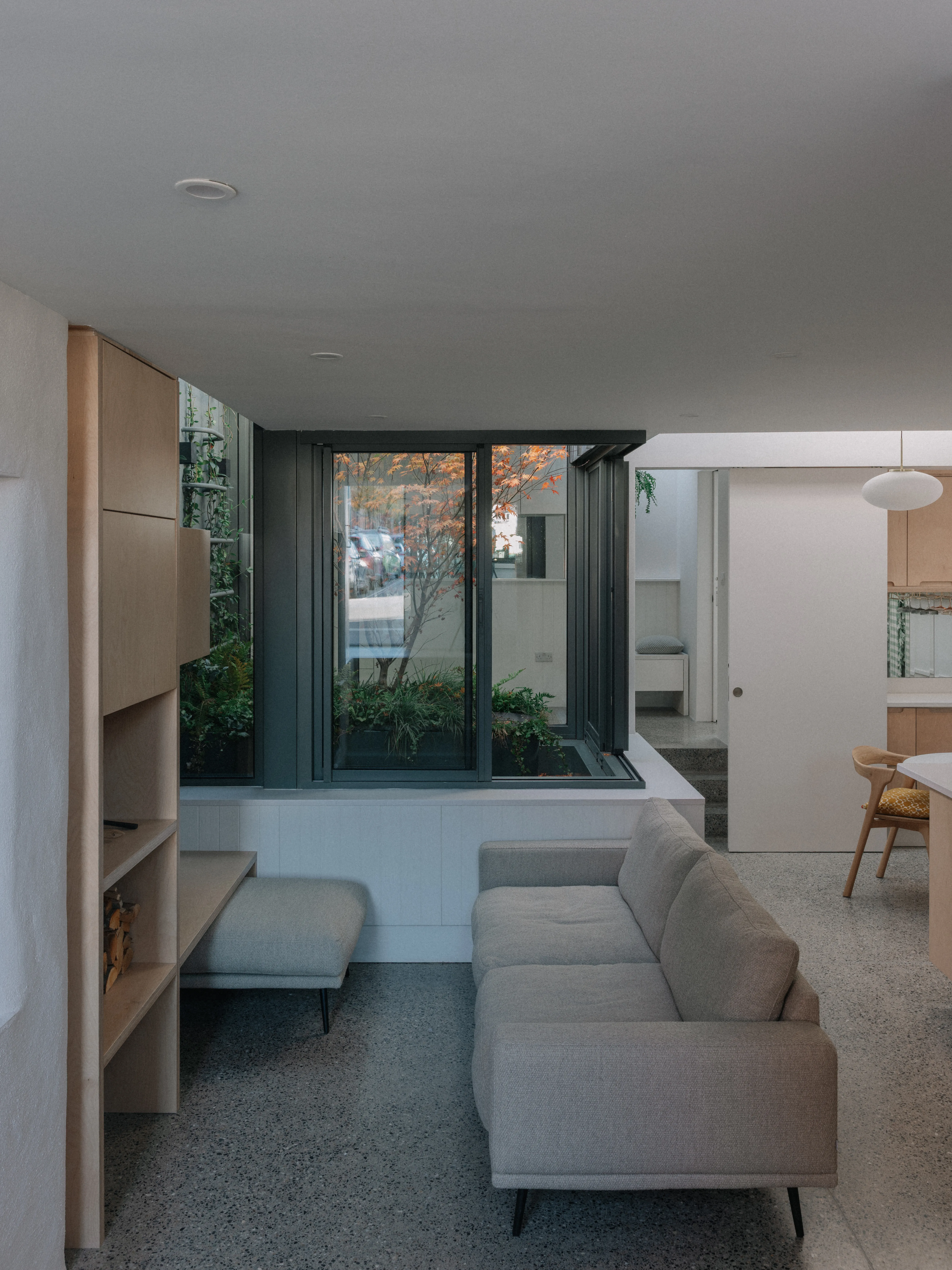
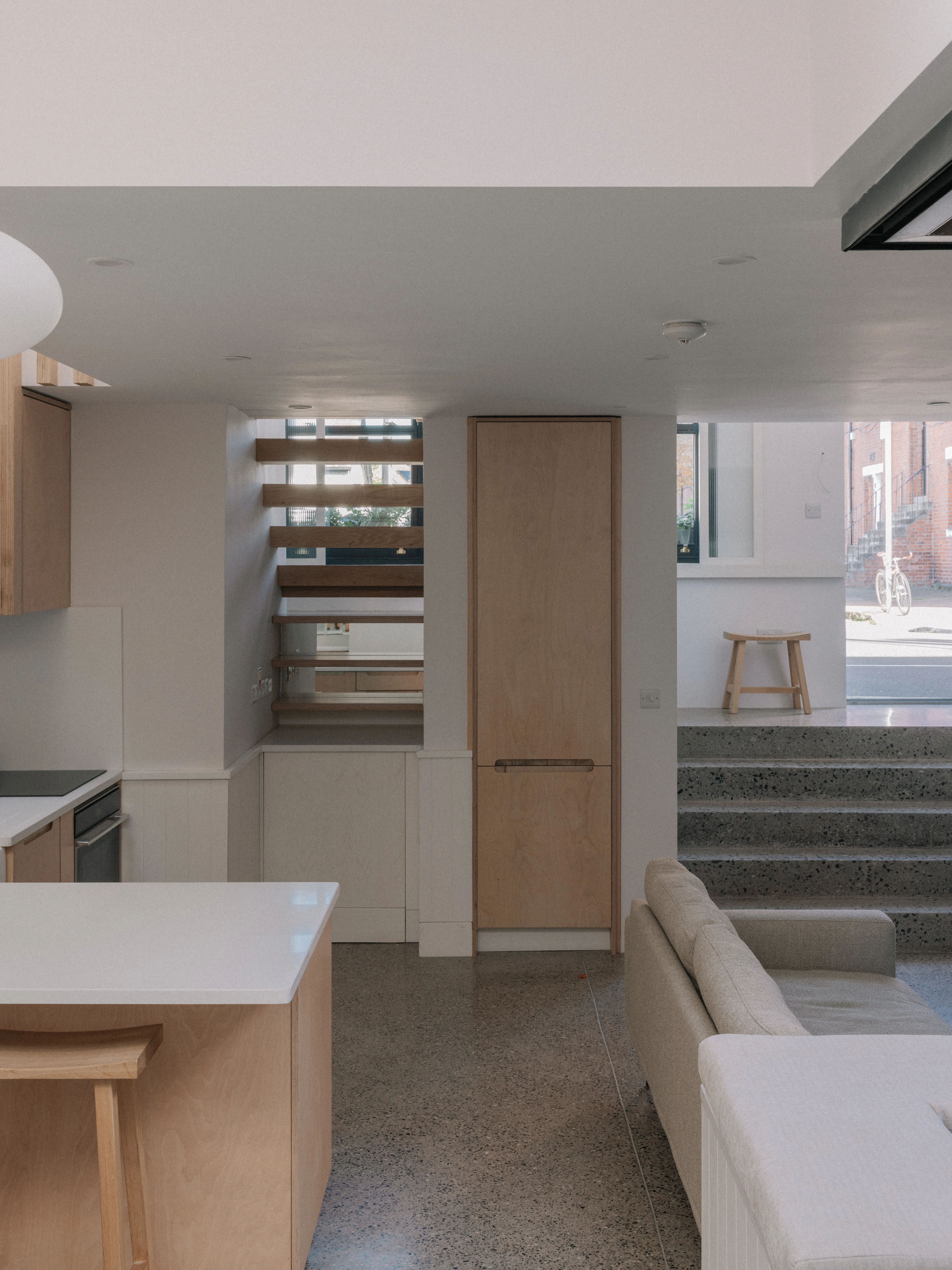
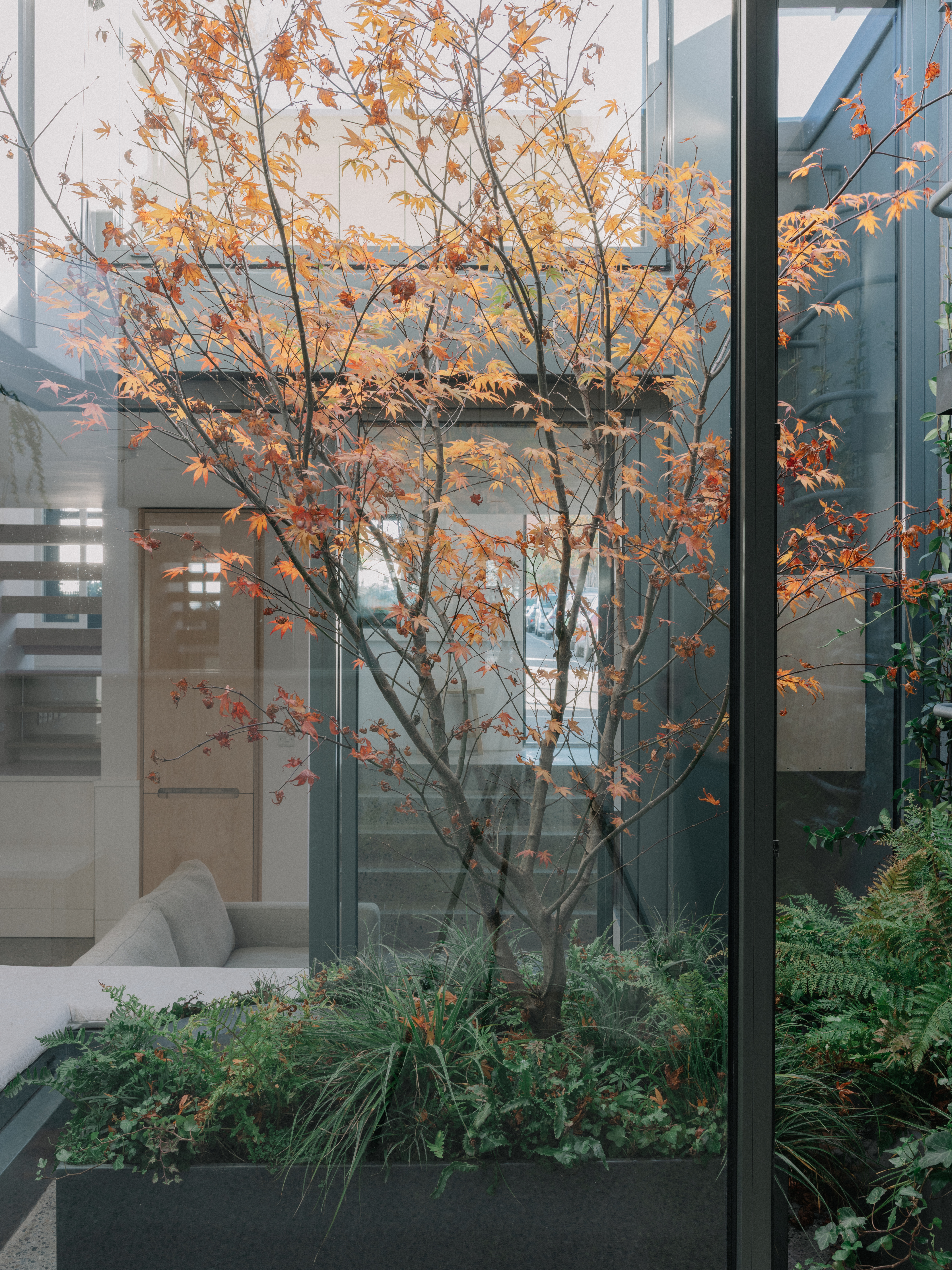
Stepping through the front door, the first thing that hits the visitor is the sense of open space, provided by the central courtyard to the kitchen, living and dining area. Irene says that in the reconfiguration process of her design, “the key to unlocking the whole project was moving the existing outdoor space from the back to the centre”. The feeling of space was also created by Darwin Construction’s digging down to make five new steps, the equivalent of a countertop height, into this immersive area while still retaining the cosy, cottage feel.
Irene is candid, explaining that lowering the ground floor level “is not for the faint-hearted, but I think worth it to create the second-storey beneath the roof ridgeline, and the floor insulation helped to dramatically improve the energy rating”. Strategically-placed rooflights, along with stepping the section and omitting sections of the first floor area, provide daylight and views to the sky in each and every room.
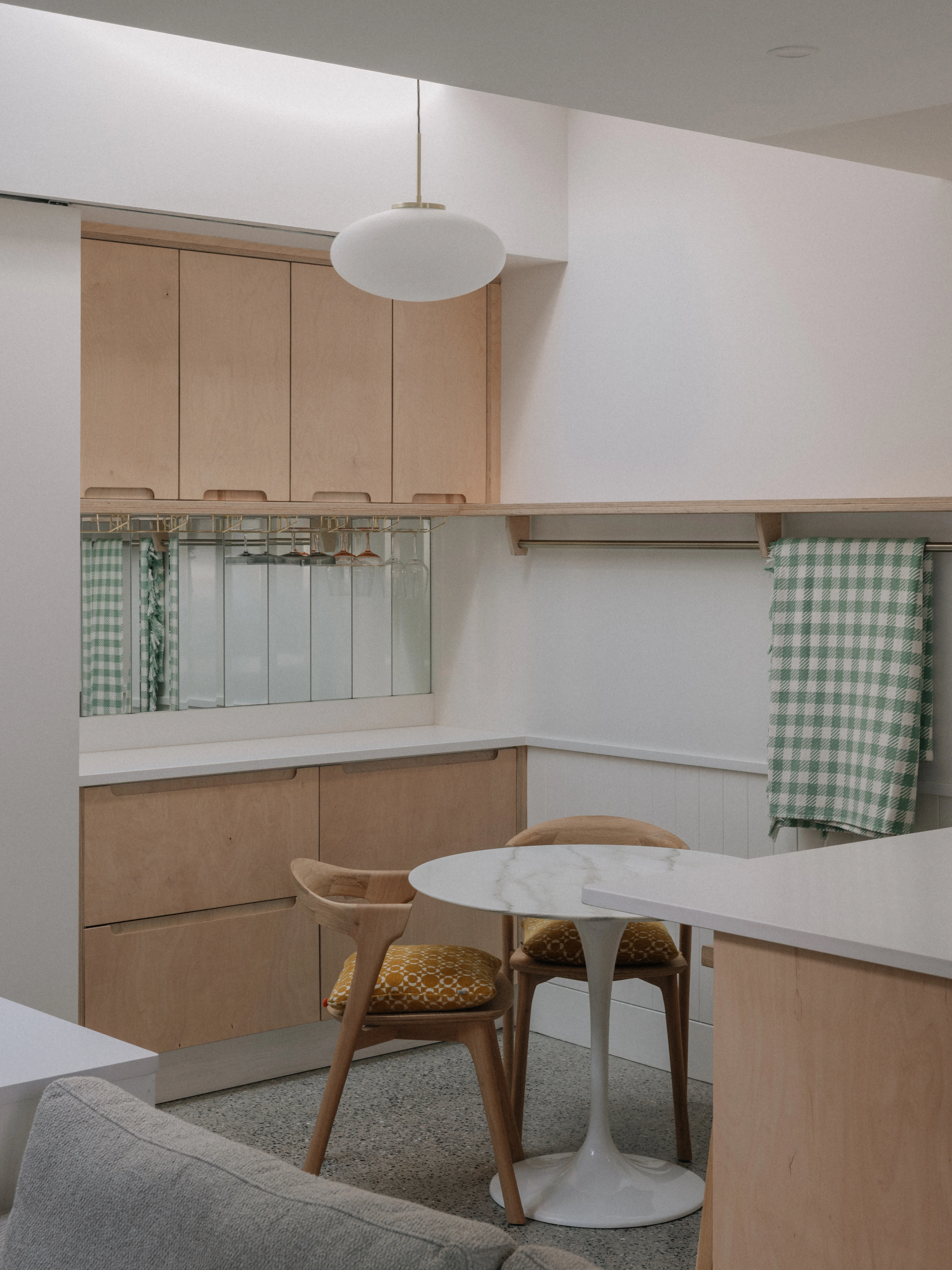
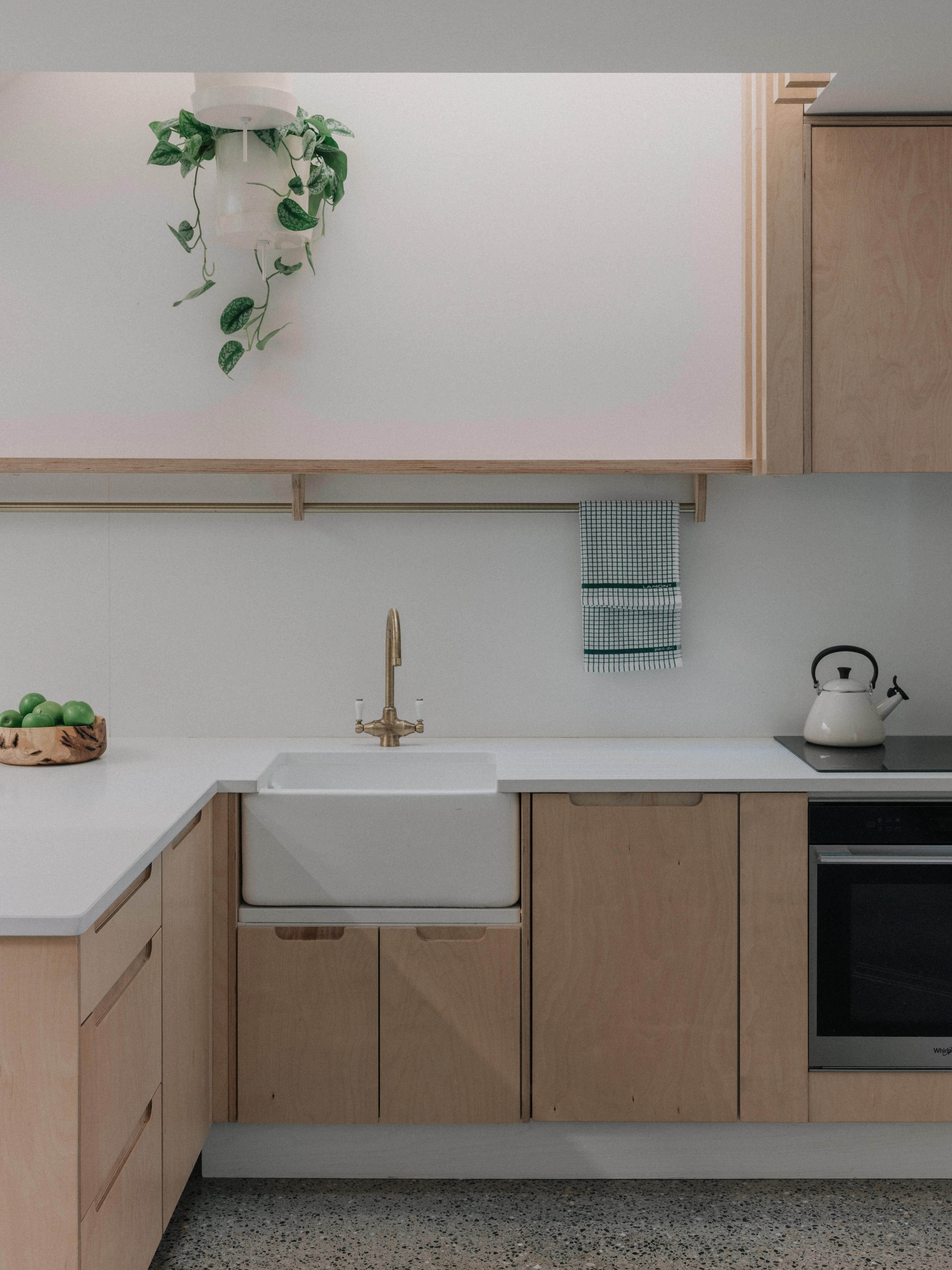
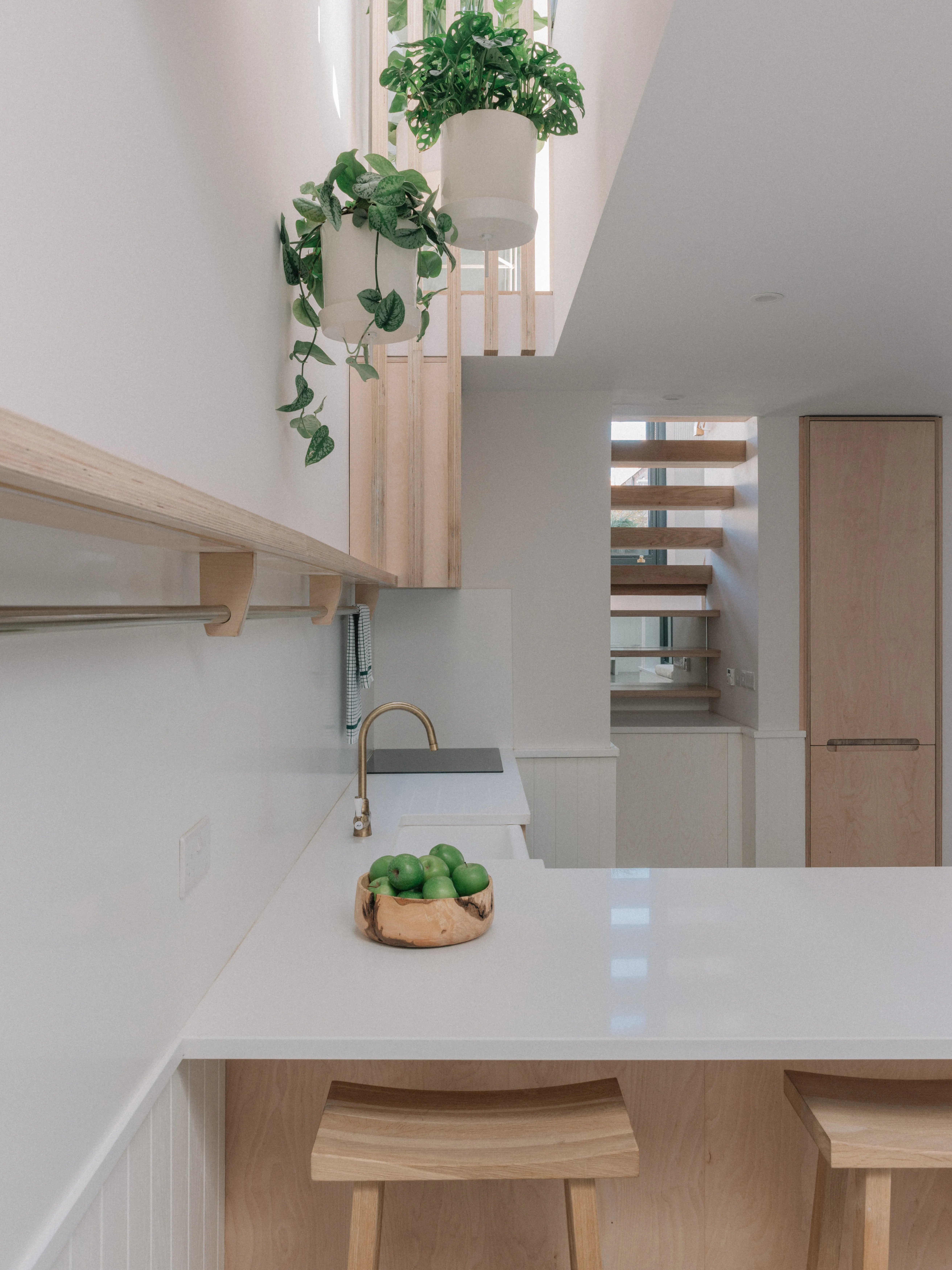
Similar to the brewing process, Irene distilled the interior decor right down with her mantra “reduce, reduce, reduce”. Her soft palette of natural materials make her interventions more impactful, such as retaining the fireplace hearth but lowering the stove below the original floor-line into a simple nook, thus keeping the atmosphere of the hearth without fuss. Natural materials are used throughout such as the beautiful, polished concrete floor with underfloor heating, open oak stair treads, and handrail along with the birch-plywood kitchen, and quartz countertop. A single shelf with brass rail underneath runs the length of the living-area wall, and “caters for a flexible way of living, offering leeway in making that inner lining to a home, whether that’s stacking books, propping artwork, hanging textiles or curating objects.”
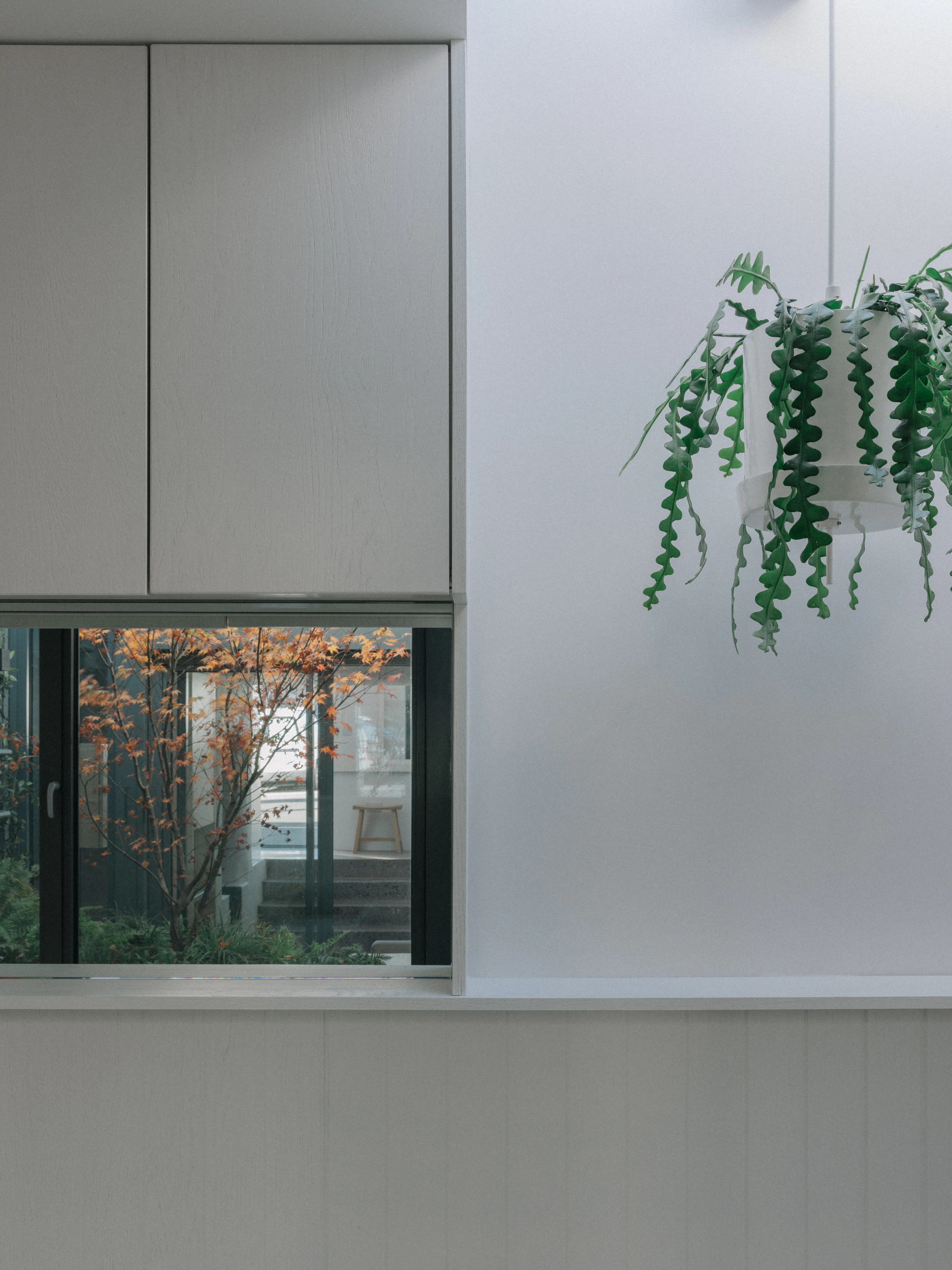
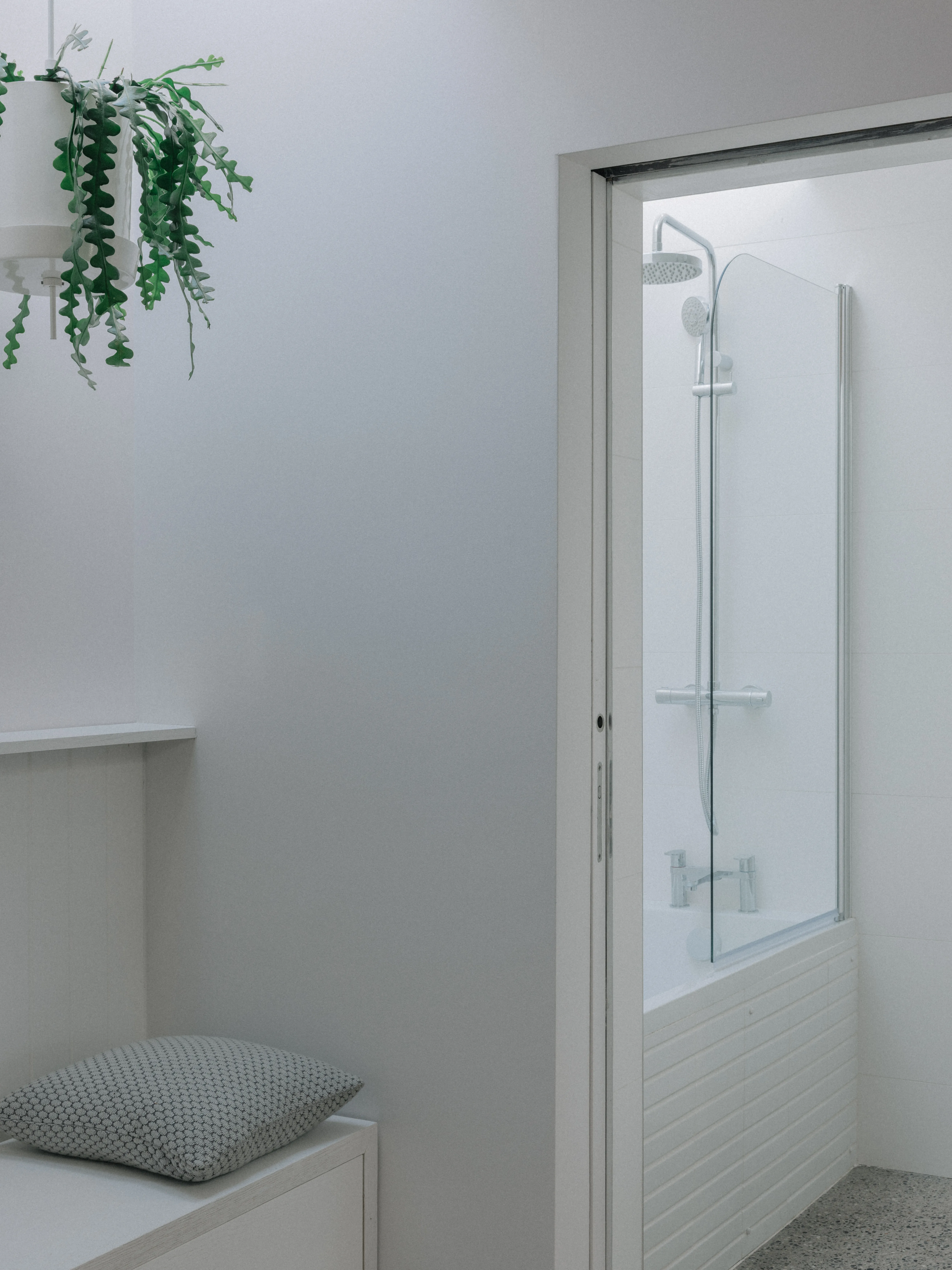
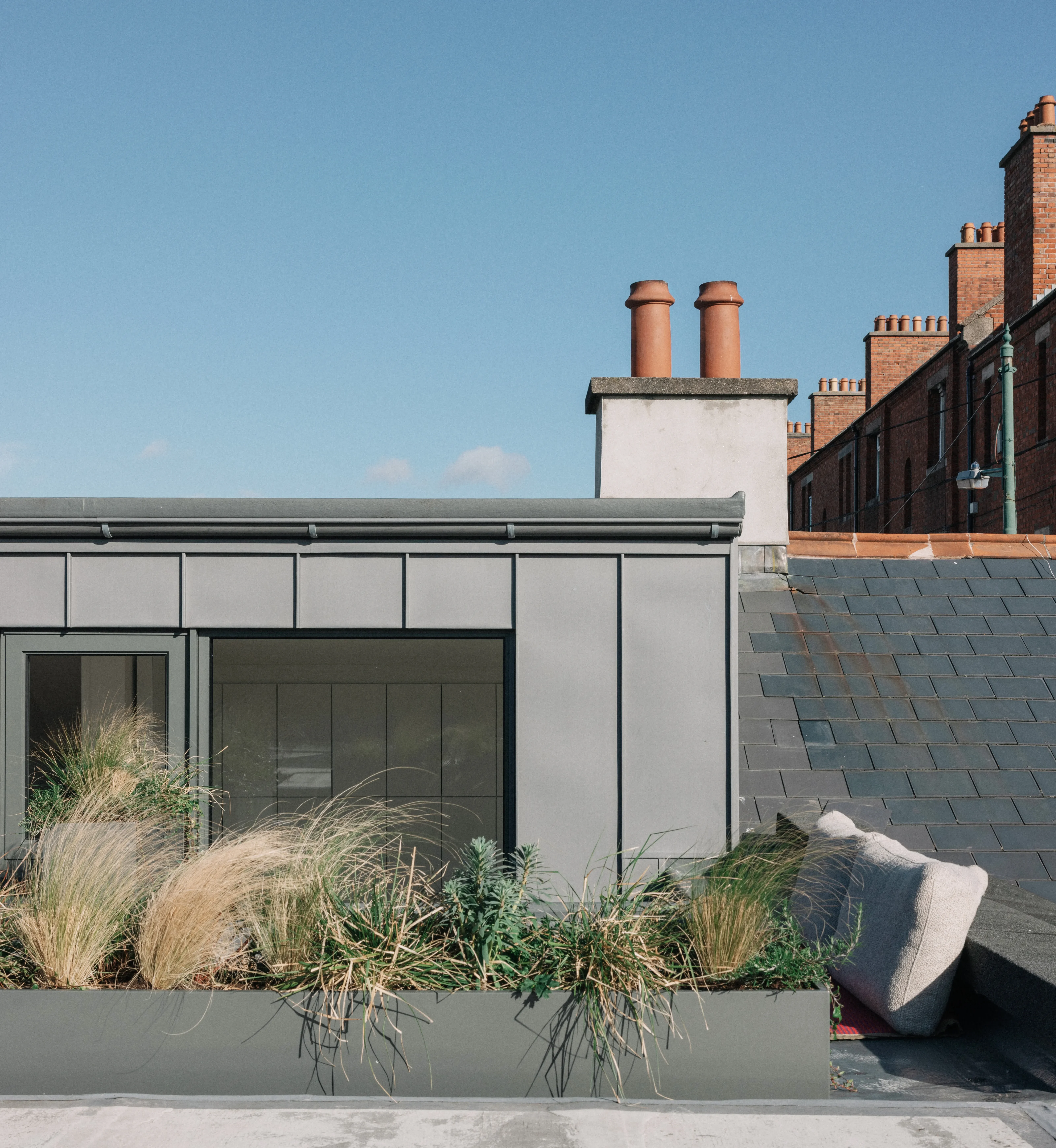
Another trick to create the illusion of more space is raising the kitchen units off the ground and allowing the eye to follow the continuity of the floor. Mirrors, both chamfered and tinted, “dematerialise boundaries” by reflecting planting and natural light. The central courtyard not only gives light to the SMJ kitchen, living and dining area, but also to the new office/guest bedroom. This section of the house is elevated so you get a view of the street through the front windows, with its bathroom again borrowing natural light via a rooflight. Upstairs, there’s a shower room with toilet and the main bedroom. A lovely surprise is how the bedroom opens out onto a south-facing, sedum roof garden, complete with steel planters full of grasses and plants offering privacy as well as texture.
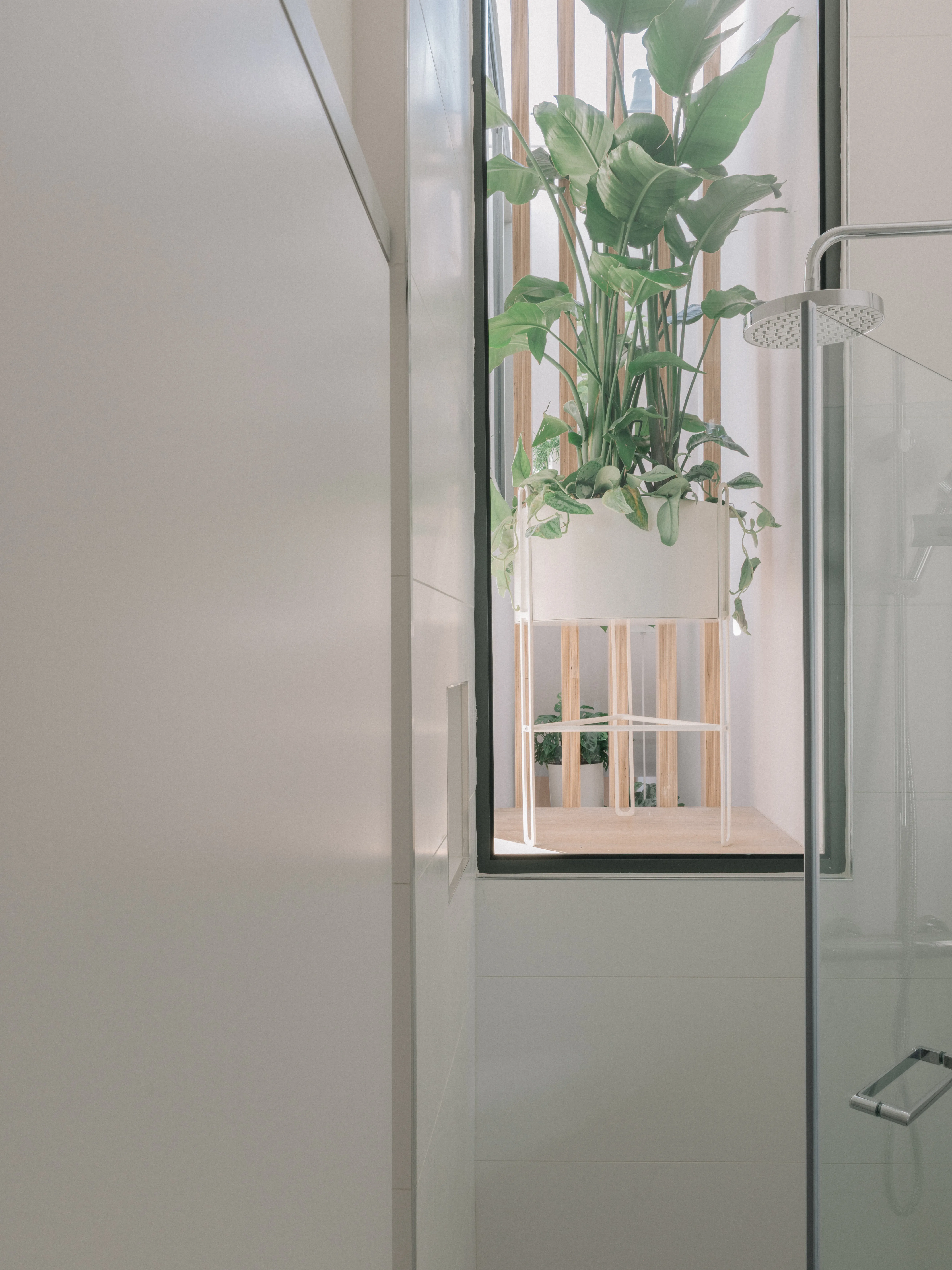
No matter what time of year it is, potted plants abound on the streets of Rialto cottages, thanks to local resident initiatives. So it was very important to Irene to carry this biophilic element into the scheme design – the house allows for a gardening potential in its small plot through the design of multiple places for planting. Irene worked closely with landscape architect Louise Checa, whose influence can be seen throughout the house from the jasmine climbers and Japanese maple tree in the inner courtyard to the bespoke steel planters on the window sills, and the novel plant suspension system in both light wells.
“Surface area is precious considering the scale of the house, so we suspended the planting.” Green leaves of various designs float in the light, connecting daily life with the sky above while dappling top-light over the work counter and enamelled sink. As a result, interior views within the cottage and towards the street are all filtered through nature.
The light and airy feel of this house is achieved by the attention to detail the architect put into making use of every nook and cranny and ingenious ways of manifesting daylight. Irene recognises the rarity of modern urban cottages because of today’s density thresholds. “It is a privilege to work with a cottage like this in the city, as the typology can never be built again.”
Photography Shantanu Starick
This feature originally appeared in the spring/summer 2025 issue of IMAGE Interiors. Have you thought about becoming a subscriber? Find out more, and sign up here.
Also Read