
Page Turners: ‘Love Forms’ author Claire Adam
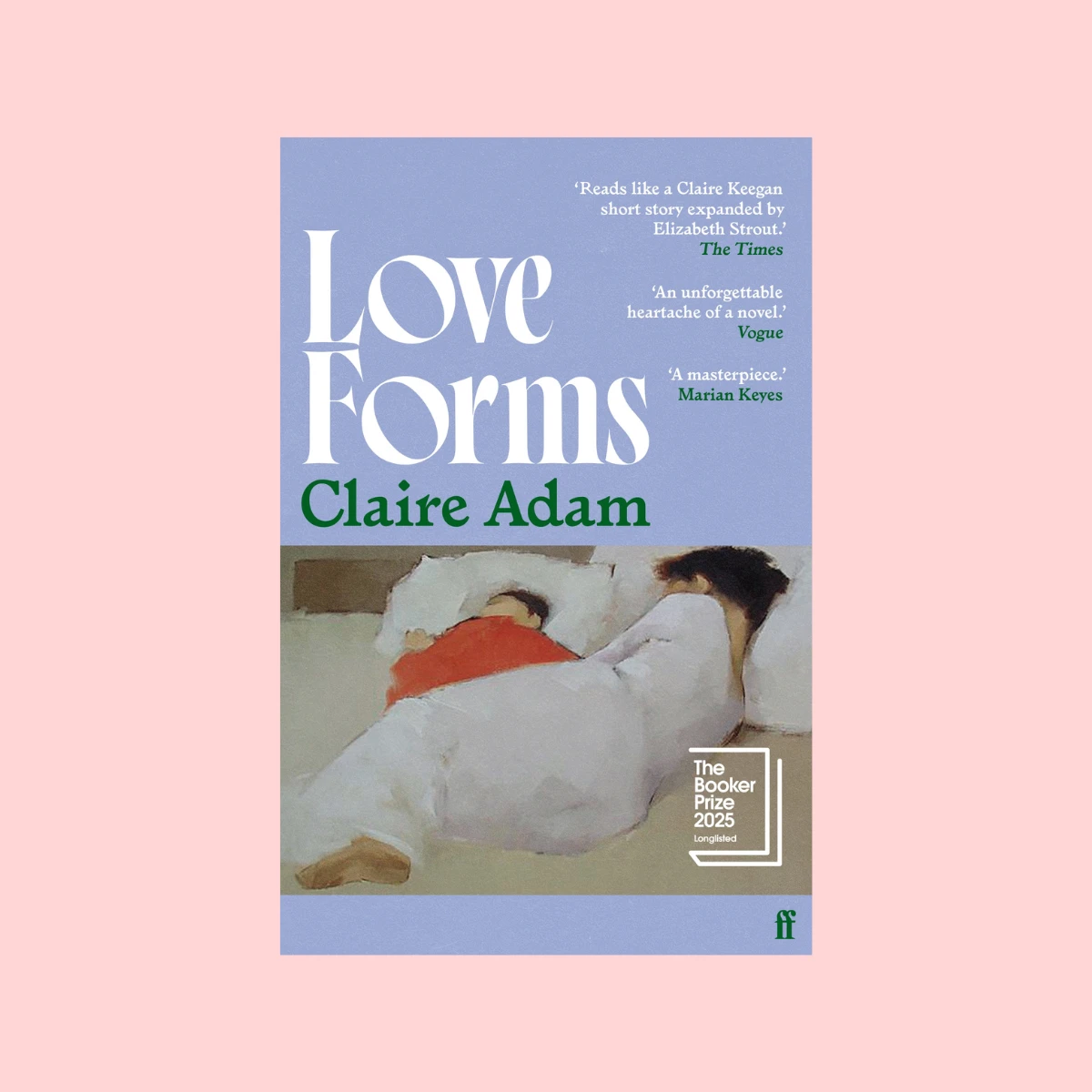
From the author of the award-winning Golden Child, Claire Adam’s new heart-aching novel tracks a mother’s search for the daughter she left behind a lifetime ago. She shares her connection with books, pulling a story from the primordial soup, and what writing and reading mean to her.
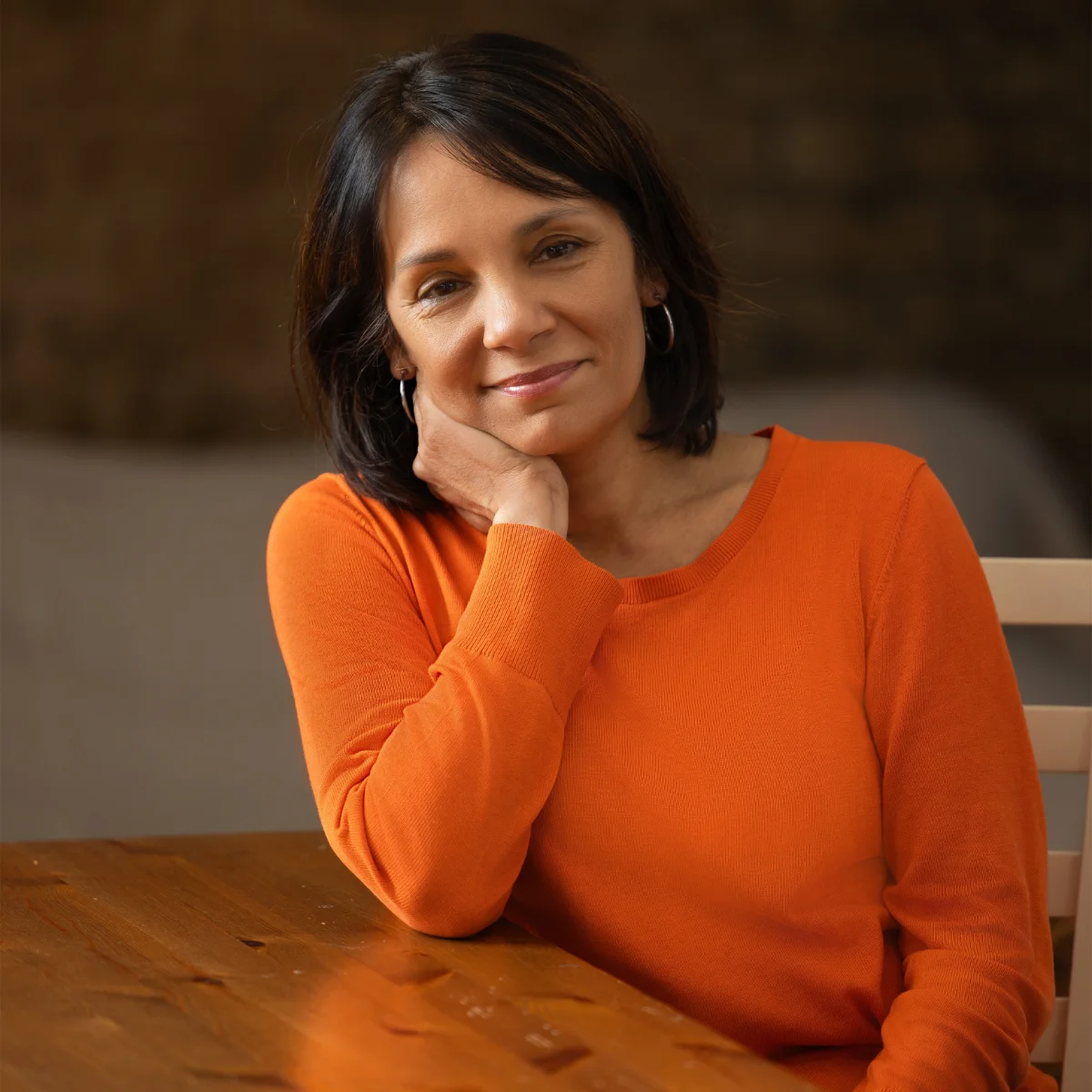
Claire Adam was born and raised in Trinidad and Tobago. She was educated in the US and now lives in London with her husband and two children. Her first novel Golden Child won multiple prizes and was named one of the BBC’s ‘100 Novels that Shaped the World’.
When Dawn Bishop was sixteen, she left her home in Trinidad and journeyed across the sea to Venezuela. There, she gave birth to a baby girl and returned to Trinidad alone.
Dawn tried to carry on with her life: a move to England, a marriage, two sons and a divorce. But she never stopped thinking of her daughter and of what might have been.
Forty years later, a woman gets in touch on an internet forum, claiming that she might be her long-lost daughter. Dawn dares to hope that this may be a way back to her past. Could she finally give form to all the love and care a mother has left to offer?
Did you always want to be a writer? Tell us about your journey to becoming a published author.
I grew up in Trinidad and Tobago in the 1970s and 1980s, to a Trinidadian father and Irish mother. There wasn’t easy access to books back then – the local bookshops mainly stocked academic textbooks. But every three years, we used to travel to Ireland to visit my mother’s family, and we took the opportunity on those trips to buy enough books (from Waterstones on Patrick Street in Cork, and Foyles in London), to last us the three years until the next trip.
My father was a doctor so we weren’t poor, but we lived frugally. (For example, on those flights from Trinidad to Ireland, we always had to wait overnight at Heathrow to catch our connecting flight – we always slept on the floor, rather than pay for a hotel.) But the rule in our household was that, wherever else we had to scrimp and save, money would always be found for books.
All this is to say that I was fortunate to be raised by parents who knew the power of books. Part of the magic they worked on me was to instil a belief that I, on my little tropical island in a remote corner of the world, was the equal of anyone from a big country – that through books, through language, the sun shone on me as on as the next man, as the saying goes. That knowledge was like a seed I tucked away for many years, until the time came for it to grow.
What inspired you to start writing?
Actually I’m a bit like my character, Dawn, in Love Forms, in that I got squeezed out of the workforce once I had children. The amount I was earning at my office job barely covered the cost of childcare. I had no solution for all the unpredictable extras, the sick days, the doctor’s appointments. We didn’t have flexible hours back then, or shared leave or work-from-home policies. And my own family was far away, so I had no support network to call on for help during crunch times. So I left my job. I’d never been that passionate about the job, to be fair, but I do think it’s worth remarking on: I turned to writing because I went bump, bump, bump, down to the bottom of the career ladder, and had to start again from scratch, on a different ladder.
Initially I thought I’d be able to write a novel in a year, and then I’d reassess. It turns out that writing a novel is much harder than it looks! I did a couple of drafts of one novel, then put it aside; then I started another novel, and then enrolled in an MA in Creative Writing at Goldsmiths in London. The MA was a good decision. It wasn’t all about “rules”: it was just a place to be with other writers and face up to the fact that I’d chosen this strange path. Writers ultimately have to find their own way, but good teachers and mentors, and the right community, can help them do that.
Tell us about your book, Love Forms. Where did the idea come from?
Love Forms is about a woman who gave up a baby for adoption as a teenager. The main character, this mother, Dawn, is a white Trinidadian woman from a wealthy family. She’s lived a comfortable, quite sheltered life, and then she foolishly gets pregnant by a tourist visiting the island for Carnival. Because a teenage pregnancy is so shameful for the family (this is in 1980), her parents send her across to Venezuela to have the baby in secret there. She has a baby girl, and leaves her with nuns for adoption, and then she goes to England to try to start her life again. In the novel, we pick up with Dawn when she’s in her 50s, in London – her life hasn’t turned out the way she’d hoped, and she’s trying to find her lost daughter.
As to where the idea came from – novels start in a bit of a primordial soup, really. A lot of things swirl around and then gradually coalesce. One of those things was a question that I’d been considering about mothers and their children. I guess I was curious about or puzzled by the bond that sometimes exists. You know, if you think about a child who’s been separated from his or her biological family at birth – if you look at that child forty, fifty years later, as an adult, you’d expect that person, rationally speaking, to perceive no connection to their biological families, their bio-mum, bio-dad, bio-siblings, etc. They’re strangers, they’ve never met, their whole lives have been lived apart, right? But in so many instances there is a connection. There is a pull, a yearning to reconnect. And this pull or yearning doesn’t fade over time – on the contrary, it endures entire lifetimes.
I found it so mysterious, and puzzling – it really cannot be explained in a rational way. So I was trying to understand it, and to record it, in a way. In the future, when we’re all humanoid-robots living on Mars, this particular form of human-human bond will just be ancient history. (Not kidding.)
What do you hope this book instils in the reader?
The main character, Dawn, is a reluctant narrator – she’s unwilling to tell her story, I think because she so desperately doesn’t want to make it all about her. And yet hers is the only story available to her – she doesn’t know how things have turned out for her daughter. I hope readers can respect her for trying to tell the truth. She works very hard not to make false promises to her imagined daughter, or to speak about her own pain, guilt, and sense of loss. She feels very conscious that so much has been taken from her daughter, really the only thing that’s in her (Dawn’s) power now is to give us a truthful account of how her time has been spent since the moment of their separation. Very often what’s painful for adopted people is the loss of their story – who am I, where did I come from, why did my family give me up? I think Love Forms is Dawn trying to give her daughter those answers. The surprise, for her and for me, is how Dawn reshapes her own story in the process.
What did you learn when writing this book?
I don’t know if I can sum them all up. The fact that the novel exists is the proof of learning, really. Whatever I learnt is in there.
Tell us about your writing process?
I try to make time to write, but mostly it feels nothing is ever getting done. I write way too much and then I get rid of it all and start again… and again… and again. Gradually something begins to come together. I talk to my husband and sister about whatever I’m working on. My sister (in the US) has been my first reader since the very beginning. I’ve never had a very reliable schedule, I just try to work as much as I can.
Daytimes are very bitty: admin, house and family stuff. Typically, my best time is the evening, once all the distractions of the day have quietened down. I work from home mostly – I used to have the kitchen table during the day when the kids were at school, and then again in the evening after they’d gone to bed, but that hasn’t worked since lockdown. I try to rent desk spaces or studio spaces or AirBnBs when I can, but things are always in flux. I always seem to be on the move with my backpack and laptop.
Where do you draw inspiration from?
The word “inspiration” tends to come up a lot in questions to writers, and it suggests a process that doesn’t quite match the reality, or my reality, anyway. I tend to talk in much vaguer terms – I say “thing” a lot. In the beginning there’s a “bunch of things” and then I work on “something” and then I throw it away and then I try “a different thing” and then somewhere along the way it takes shape and then I can talk about it in more concrete terms.
So for Love Forms, some of the “things” in the mix were the following: people I’d known since my childhood who’d been adopted; and particular incidents and emotions I connected to those people; a picture I saw in a news article about artificial uteruses – the picture was a lamb in what looked like a plastic freezer bag; my own experience of having children; girls I knew or knew of, who’d become pregnant as teenagers; what happened to those girls at the time, and then how their lives turned out; the experience of trying to find a setting for my second novel and trawling the internet looking for places, studying faces, saving photos to a folder, scrolling through the saved photos later on, and my eye catching on certain attributes of faces, and not knowing why, and returning to those photos over and over. All those things and more were part of the primordial soup that eventually became Love Forms.
What are your top three favourite books of all time, and why?
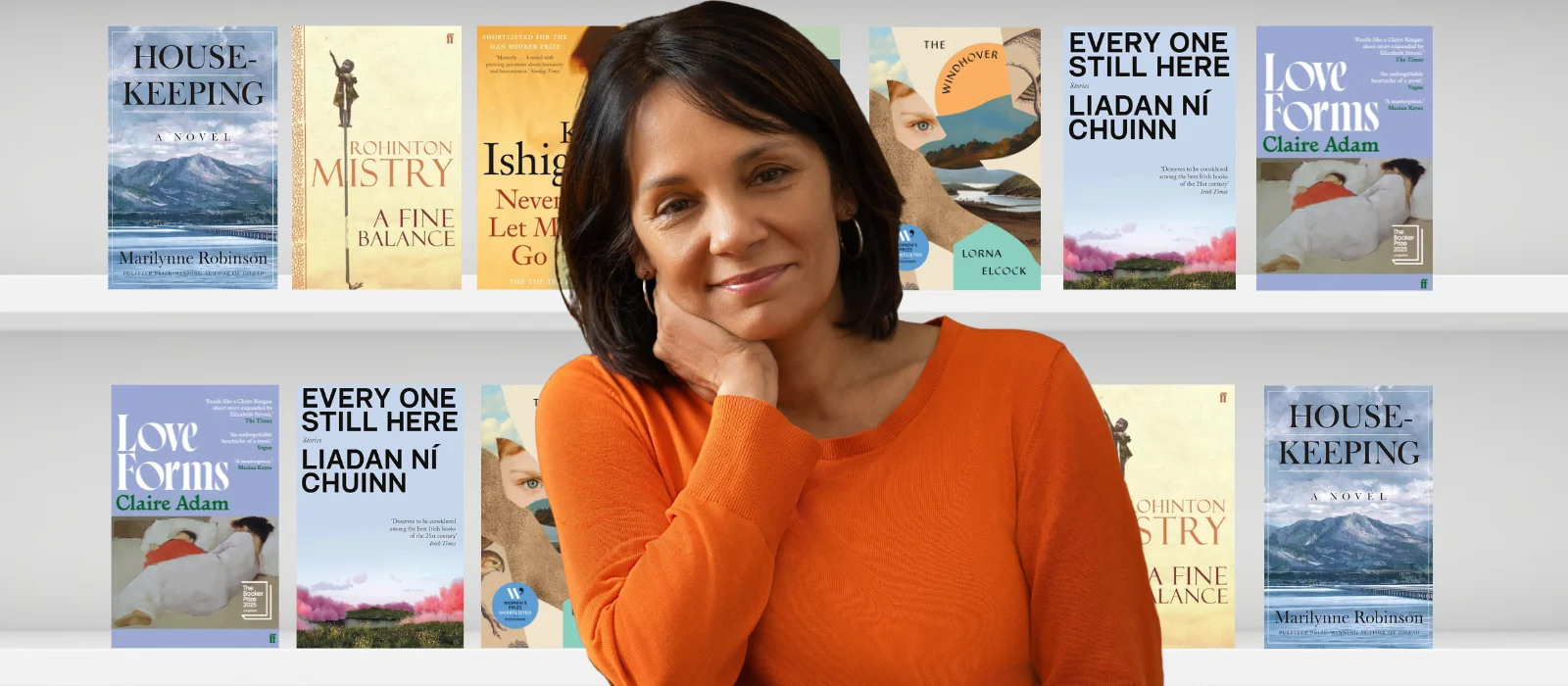
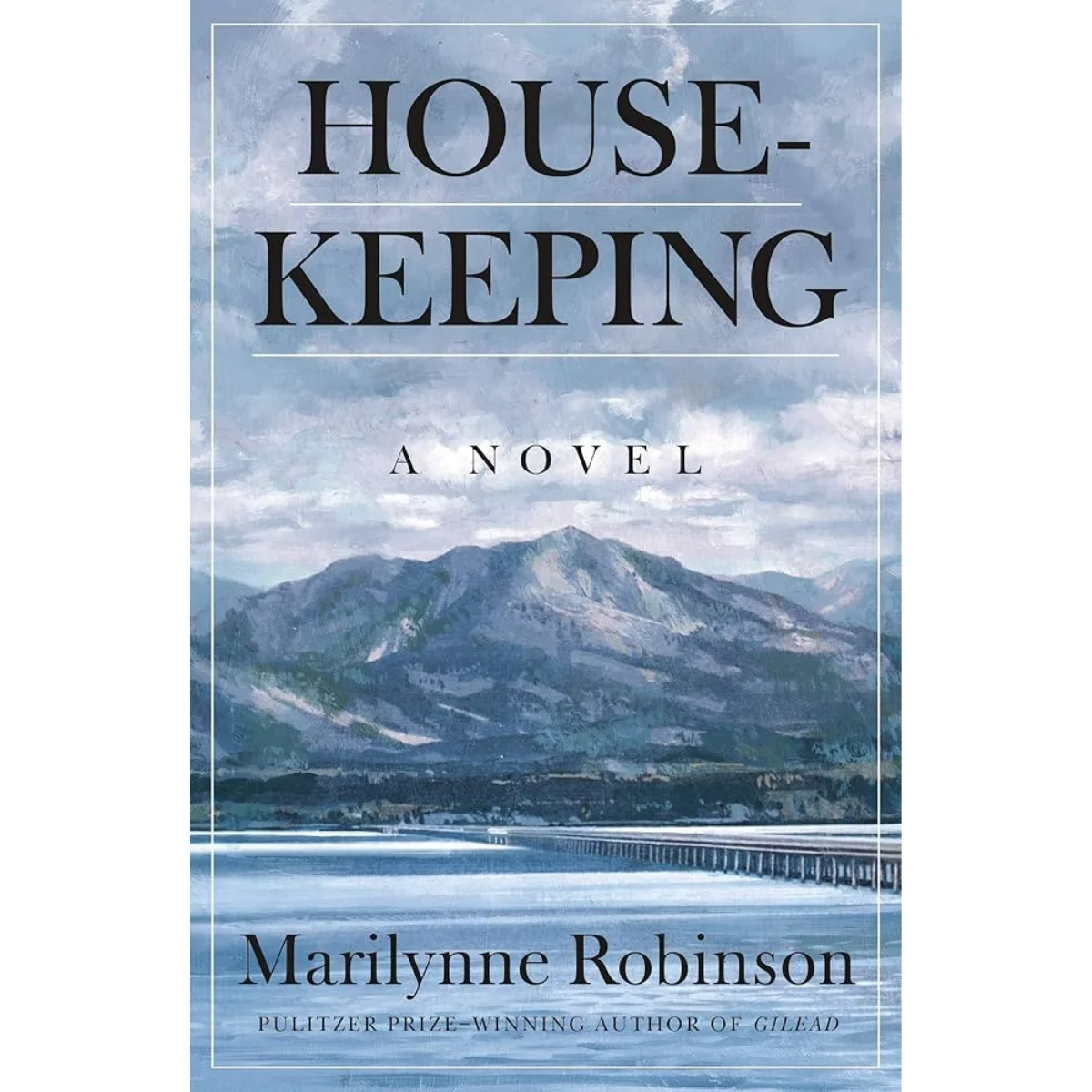
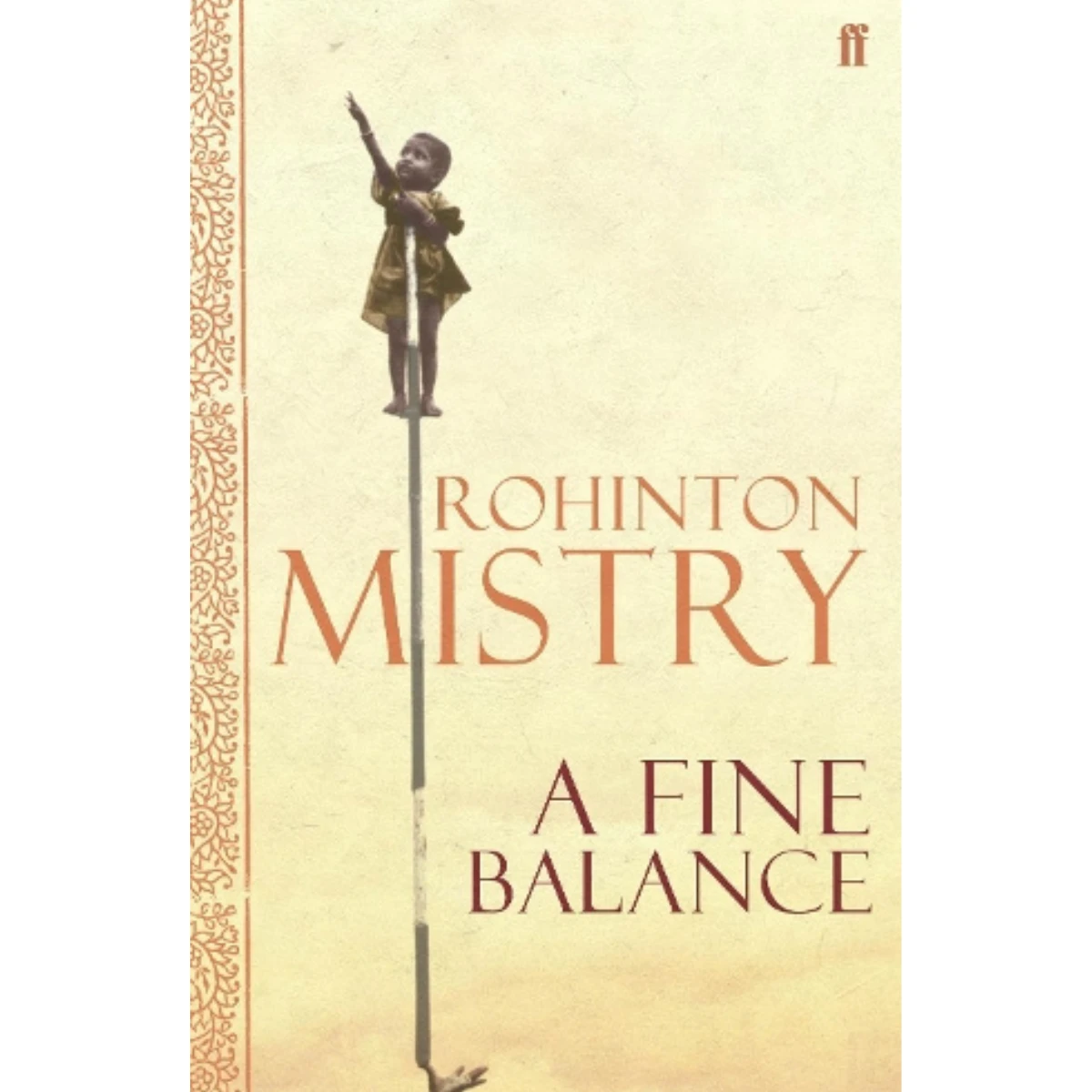
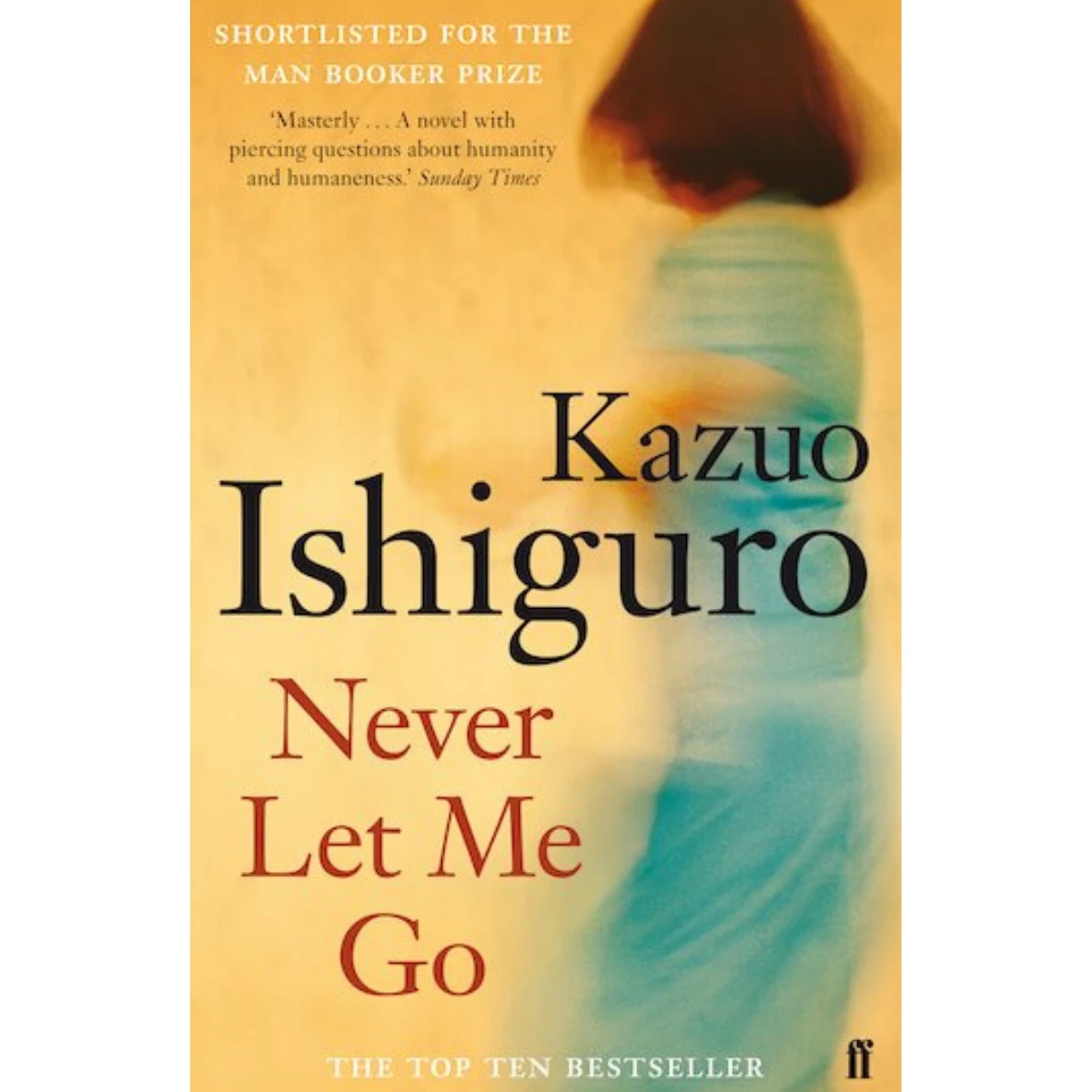
Housekeeping, by Marilynne Robinson, for that scene where the train goes into the lake, and the descriptions of that waterlogged town, and the imagined ghost-children at the windows at night. A Fine Balance, by Rohinton Mistry, for that devastating and utterly convincing ending. Never Let Me Go, by Ishiguro. The darkness in that book is astounding, but somehow he balances it – with light, I guess, or beauty. And he accomplishes this feat using the most deceptively plain language. In real life, he’s a modest, quiet sort of guy – but in this book, it’s like he performs a samurai sword trick, in his few, precise gestures: swish, swish; darkness, light.
Who are some of your favourite authors, Irish or otherwise?
Lots, but I usually mention: William Trevor, John McGahern, Claire Keegan; VS Naipaul, JM Coetzee, Ishiguro.
What are some upcoming book releases we should have on our radar?
I’m reading a proof of a novel called The Windhover, due out in July, by Lorna Elcock, a graduate of the Goldsmiths MA in Creative Writing. It’s about a fractured family, siblings who’ve gone in different directions after something traumatic happens in their childhood. I’m not very far into it yet but it’s already very gripping, it’s got an emotional depth that’s unusual for a debut.
What book made you want to become a writer?
I’d always been an avid reader, but O’level English Literature classes forced me to slow down and read more carefully. Actually, I used to be at the bottom of my English class – I used to get zeros on my essays. My teacher used to hand me back my essays, and say, really sadly, “Claire, you got zero again!”
My problem was I didn’t understand how to structure an essay to get points. The teacher very kindly explained it to me and gave me a list of practice essay questions. And because I was failing the class so badly, I put a lot of work in to try to improve, and I wrote essay after essay and gave them to my teacher to mark. Along the way, I ended up re-reading the texts multiple times. We did Derek Walcott’s play, Ti Jean and his Brothers, Arthur Miller’s The Crucible, and another text by a Caribbean author, Earl Lovelace, called The Wine of Astonishment. There were others, but those were my favourites. I still have those books on my bookshelf, with all my notes in the margins.
You’d think that having to re-read a book so many times, you’d get sick of it, but it was the opposite – I admired each book ever more deeply. And I came to understand that these texts were written by actual humans, people like me.
(By the way, a lesson to the young people reading this: all my hard work paid off, I ended up coming first in the year in my O’level exams and winning the English Literature prize! From last to first, just by writing lots of practice essays and getting my teacher to mark them for me.)
What’s one book you would add to the school curriculum?
I actually don’t know the Irish curriculum, but whatever’s on it seems to be working well, since Irish writing is in such fine form! In Trinidad, the English Literature curriculum was and still is excellent, mainly because Caribbean texts are a permanent fixture. Certainly I found it transformative when I was studying – the language came alive in a whole new way.
But back to the question: What would I add? I don’t know. Actually, I’m not convinced that forcing kids to read a particular text is really a win. Someone’s always going to hate it because of being forced. If force has to be part of it, then take them to see a play – why not The Crucible? – and then put them in small groups and make them write their own play.
What’s the best book you’ve read so far this year?
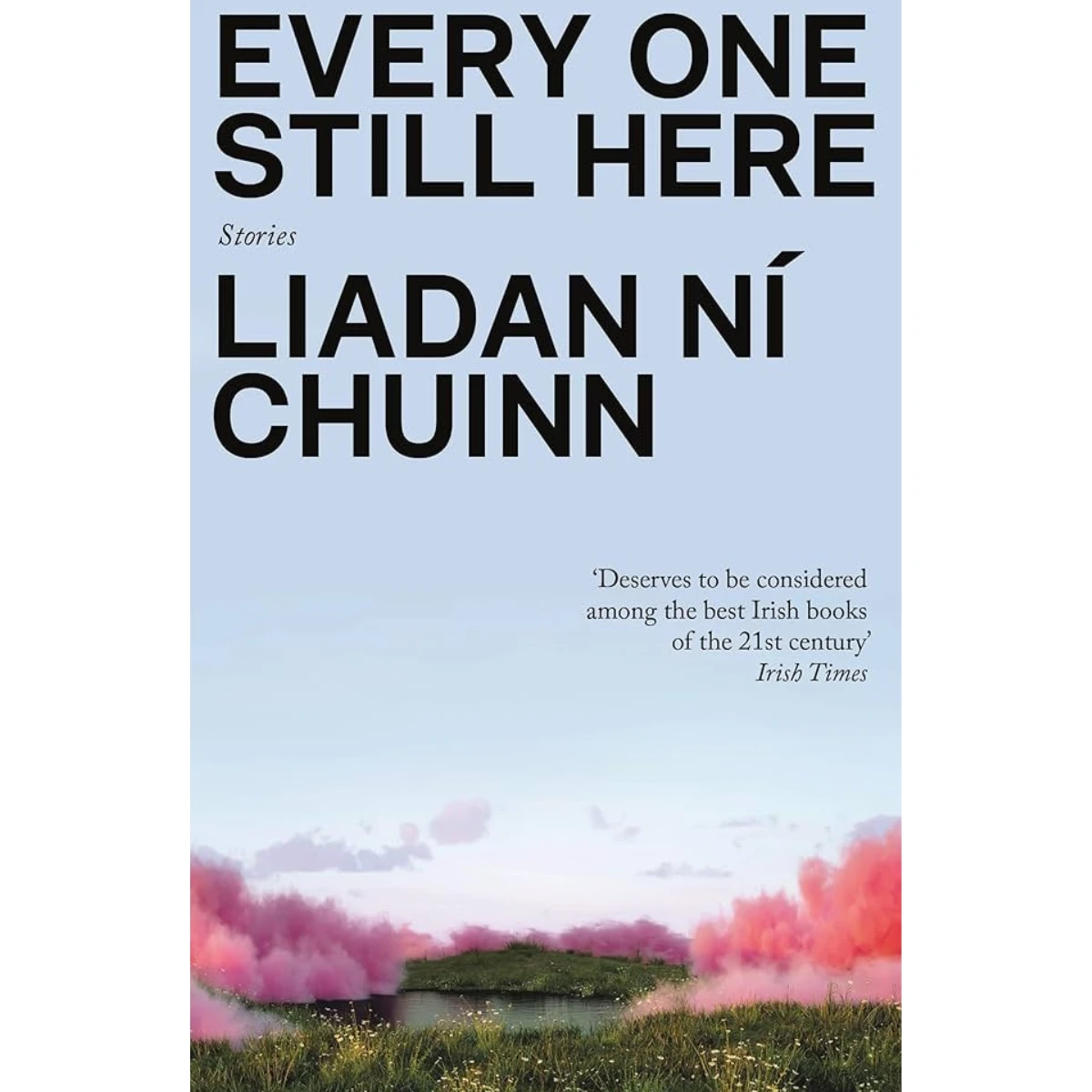
I was impressed – and unsettled – by Everyone Still Here by Liadan Ní Chuinn.
What’s your favourite bookshop in Ireland?
Waterstones on Patrick Street in Cork, for the childhood memories of that heavenly place. (Is the Evening Echo seller still outside?)
What’s some advice you’ve got for other aspiring writers?
Read your work aloud. Be patient. Have courage.
Lastly, what do the acts of reading and writing mean to you?
From one point of view, they’re moments of communion – with oneself, and with an unseen other. But, you know, it doesn’t have to be that deep. Another way to look at it is to say, the basic facts are these: A book is a physical object; paper and pencils are physical objects. You can pick them up with your human hands; you can direct your eyes to the page. What happens after that – it belongs to you.
Love Forms by Claire Adam (Faber) is on sale now.
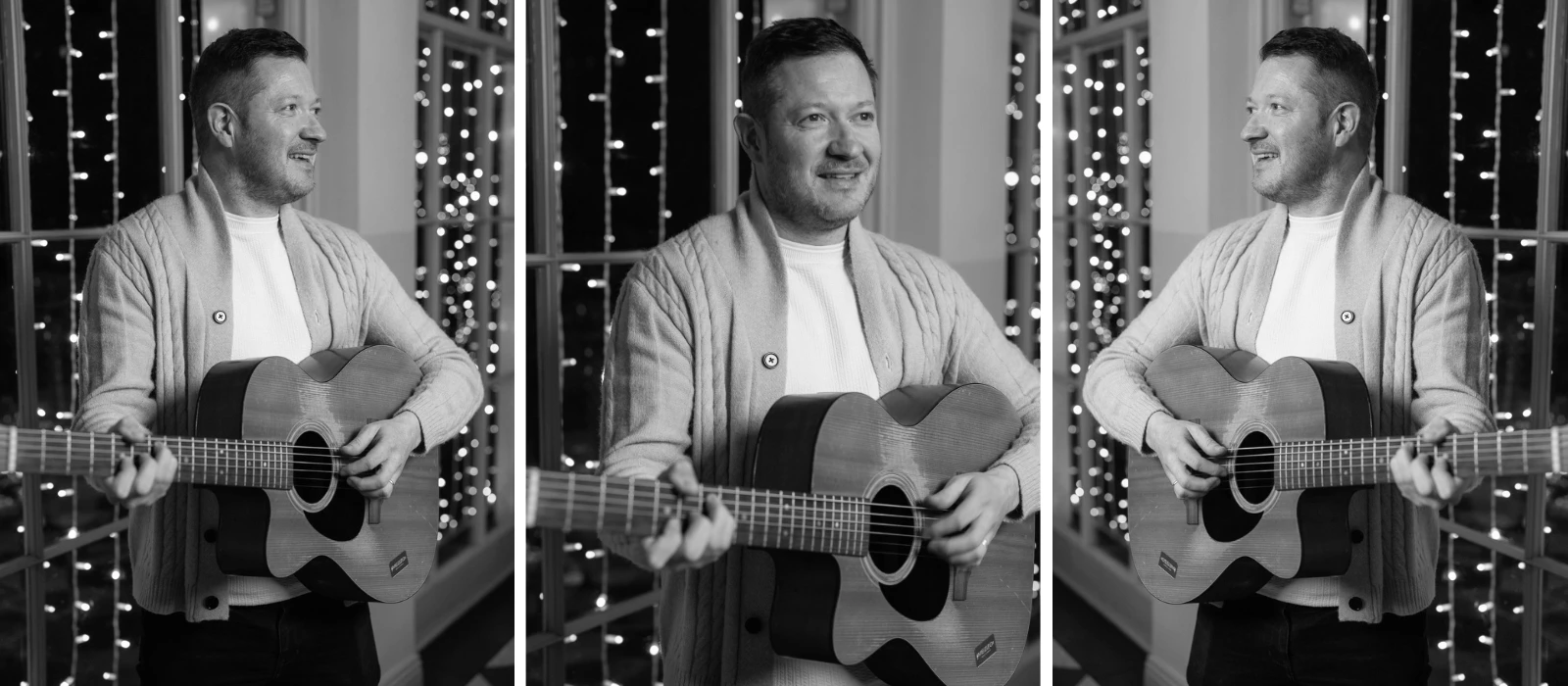
Portrait image by Tricia Keracher-Summerfield.
Also Read