








Margaret Atwood imagines aliens intervening due to the pandemic in her latest short story
By Megan Burns
09th Jul 2020
09th Jul 2020

The Canadian author has turned her often prescient imagination to our current crisis.
Margaret Atwood is perhaps best known for what she refers to as ‘speculative fiction’. Some of her most popular works of fiction such as The Handmaid’s Tale and Oryx and Crake explore the strange turns our world could potentially take, such as a totalitarian state that enslaves fertile women, or an apocalypse that leaves only genetically engineered hybrid animals.
However, for her latest short story, Atwood takes our strange present as her starting point rather than some imagined future. It is part of The New York Times Magazine‘s Decameron Project, which has invited writers to respond to our current crisis with the perspective that: “When reality is surreal, only fiction can make sense of it”.
Atwood’s story, entitled Impatient Griselda, takes the story of Griselda that appears in Giovanni Boccaccio’s The Decameron, a book that was written in Florence in 1348 during the bubonic plague. However, while Boccaccio’s Griselda is so subservient to her husband she allows him to take both her children away, and later banish her, the Griselda of Atwood’s tale takes matters into her own hands with the help of her sister.
To make the whole situation stranger, this tale is narrated to us by an alien, who looks like an octopus. It is made clear that an alien civilisation has intervened because of a pandemic: “No, you may not leave the quarantine room. The plague is out there. It would be too dangerous for you, though not for me. We do not have that type of microbe on our planet.”
The alien is telling the story to an audience of humans to entertain them: “I was sent here as part of an intergalactical-crises aid package. I did not have a choice, being a mere entertainer and thus low in status. And this simultaneous translation device I have been issued is not the best quality. As we have already experienced together, you do not understand my jokes. But as you say, half an oblong wheat-flour product is better than none.”
Although the alien is telling its audience this ‘Earth story’, it makes a number of changes to the story as we know it, with a rather more gruesome ending.
You can read the full story here, as well as the other stories as part of this project.
Read more: #DreamWithHarry: Harry Styles narrates bedtime story for listeners on the Calm app
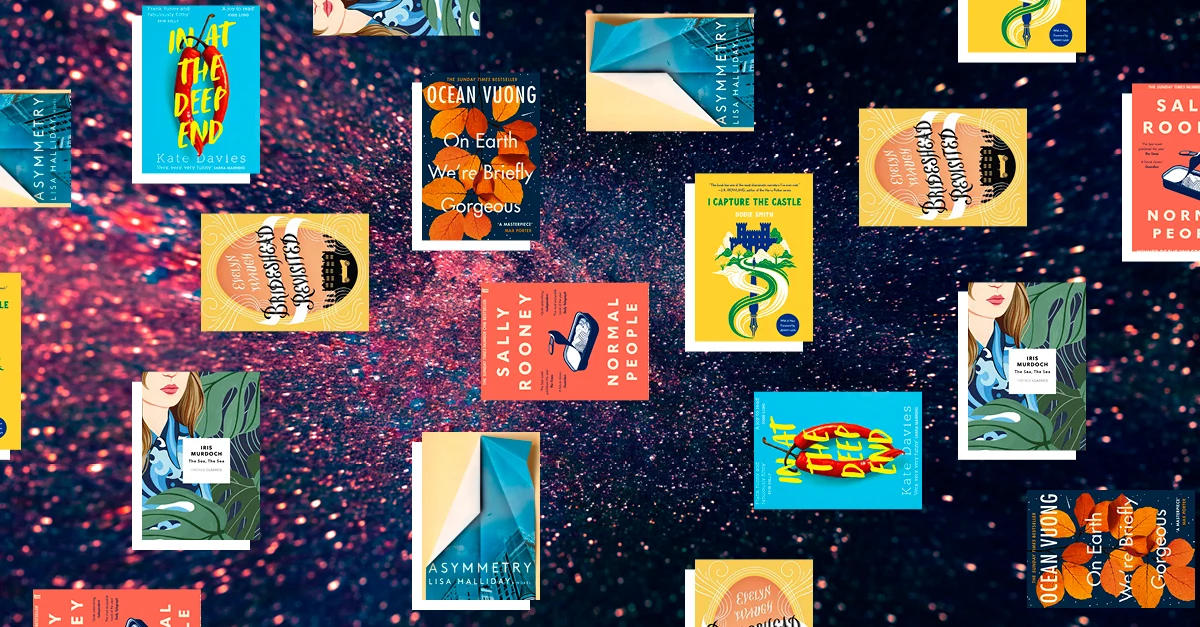
Read more: 5 marvellous must-reads to add to your reading list
Read more: 4 brilliant Margaret Atwood books to devour ahead of the new Handmaid’s Tale season
Related Stories


Also Read