


Maria McManus embraces being an Irish immigrant in America at New York Fashion Week
Maria McManus's Irish heritage was manifest in her latest collection, writes Paul McLachlan, who visited the designer's New York Fashion Week showcase to discuss Irish influences, how fashion reflects our wider world and innovations in sustainability.
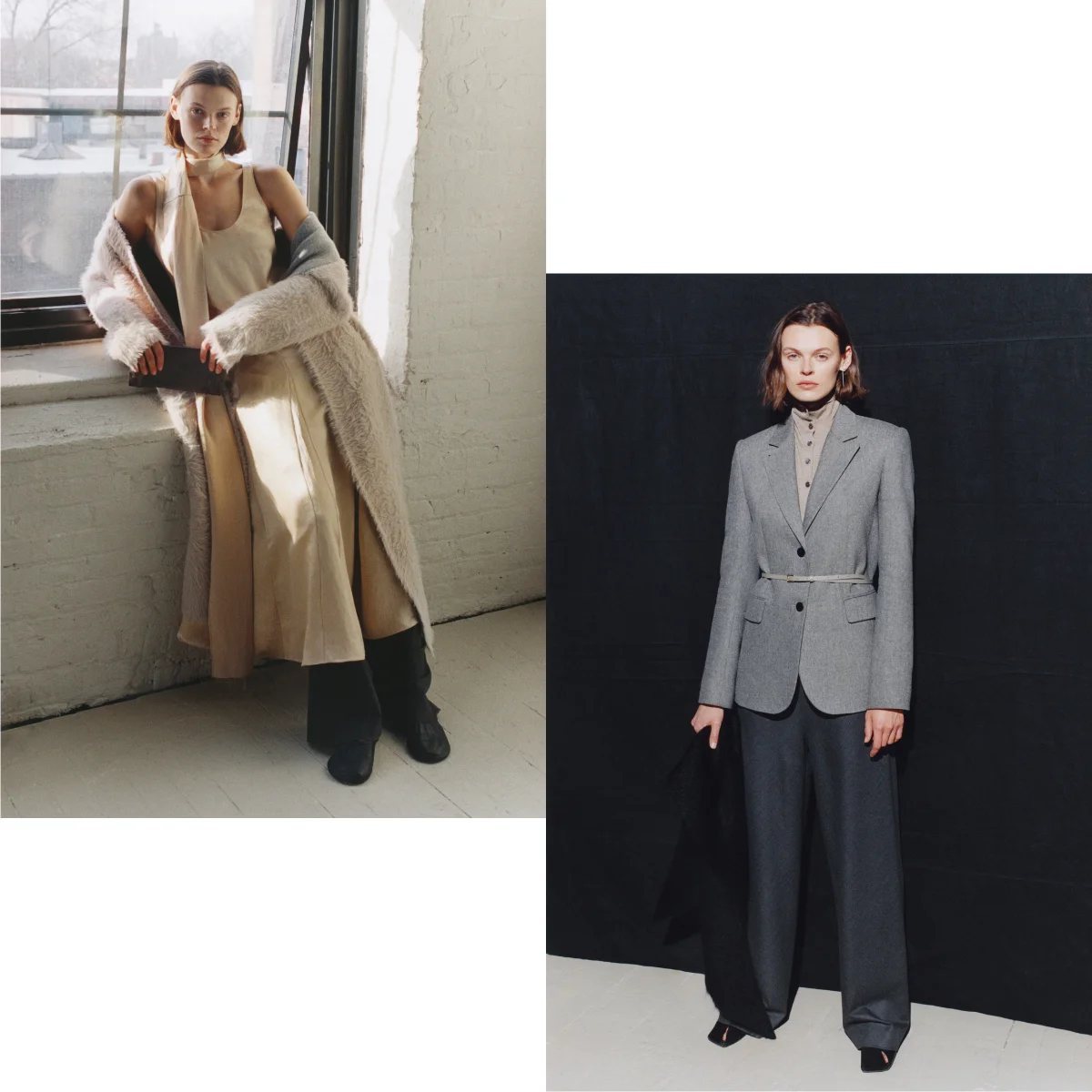
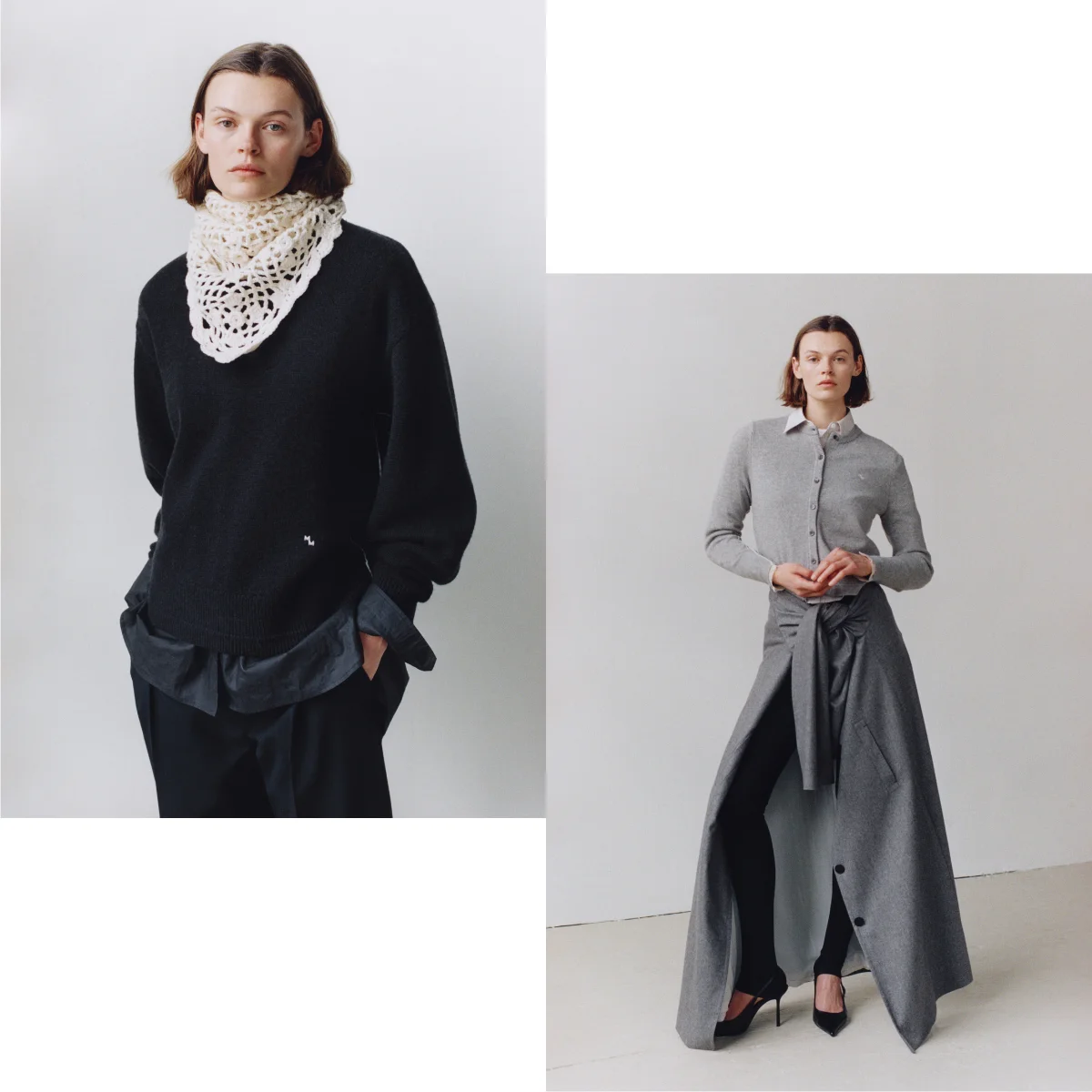
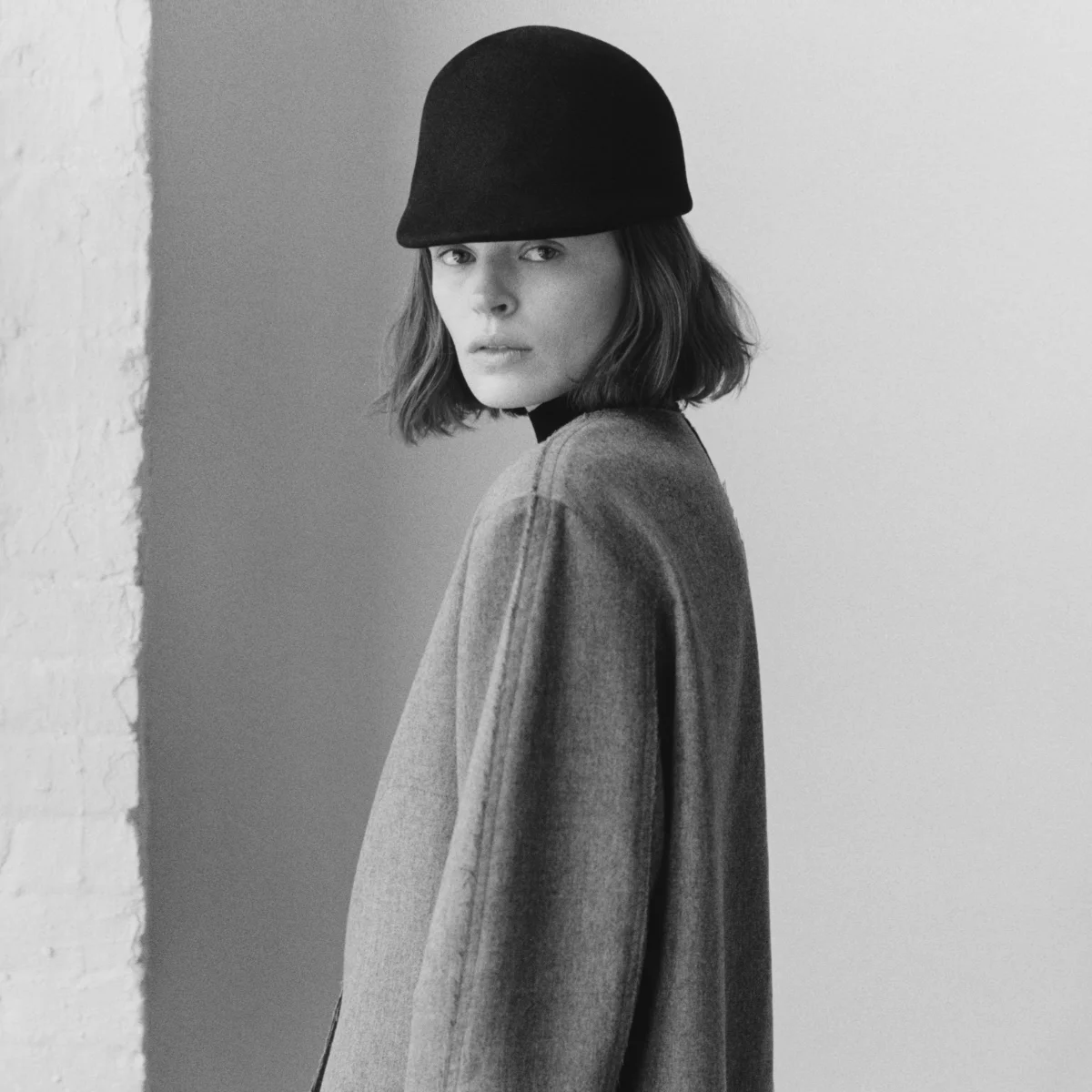
‘Behaviour that’s admired is the path to power among people everywhere,’ a line from Séamus Heaney’s translation of Beowulf was stamped on coffee cups at Maria McManus’ autumn/winter 2026 presentation during New York Fashion Week last Thursday. The Irish designer has long considered her role as a fashion designer to be equally responsible to the women she dresses and the environment. Pertinent, too, in the context of the recent ICE raids across the United States targeting the immigrant population. McManus, who moved to New York over two decades ago, guided guests through the rails at the Magen H Gallery show space with an ‘ICE OUT’ badge pinned to her grey blazer. The collection was ensconced in elegant environs punctuated with emblems of midcentury modern design like Jean Prouvé, Charlotte Perriand and Pierre Chapo, and a delectable spread of boiled eggs topped with caviar, scones with Irish butter, clotted cream and thick blueberry jam.
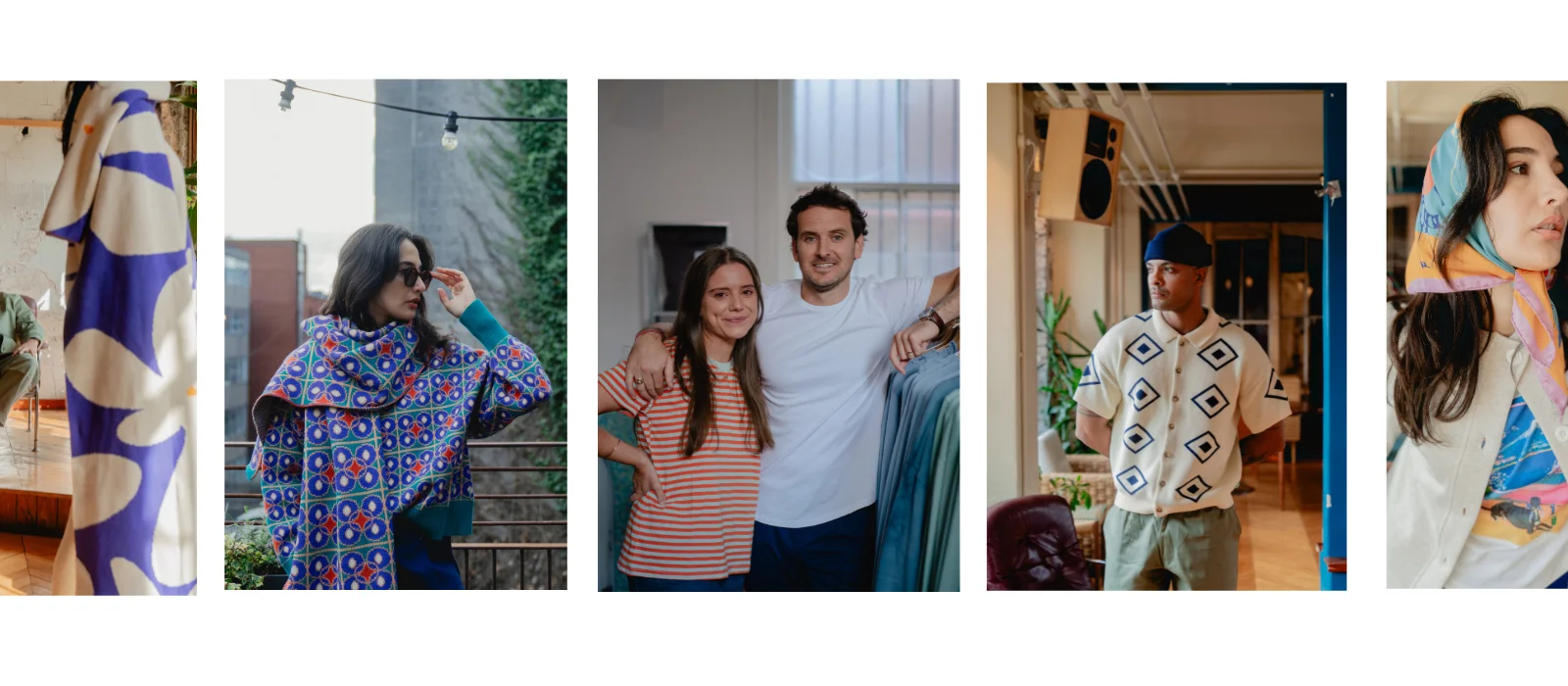
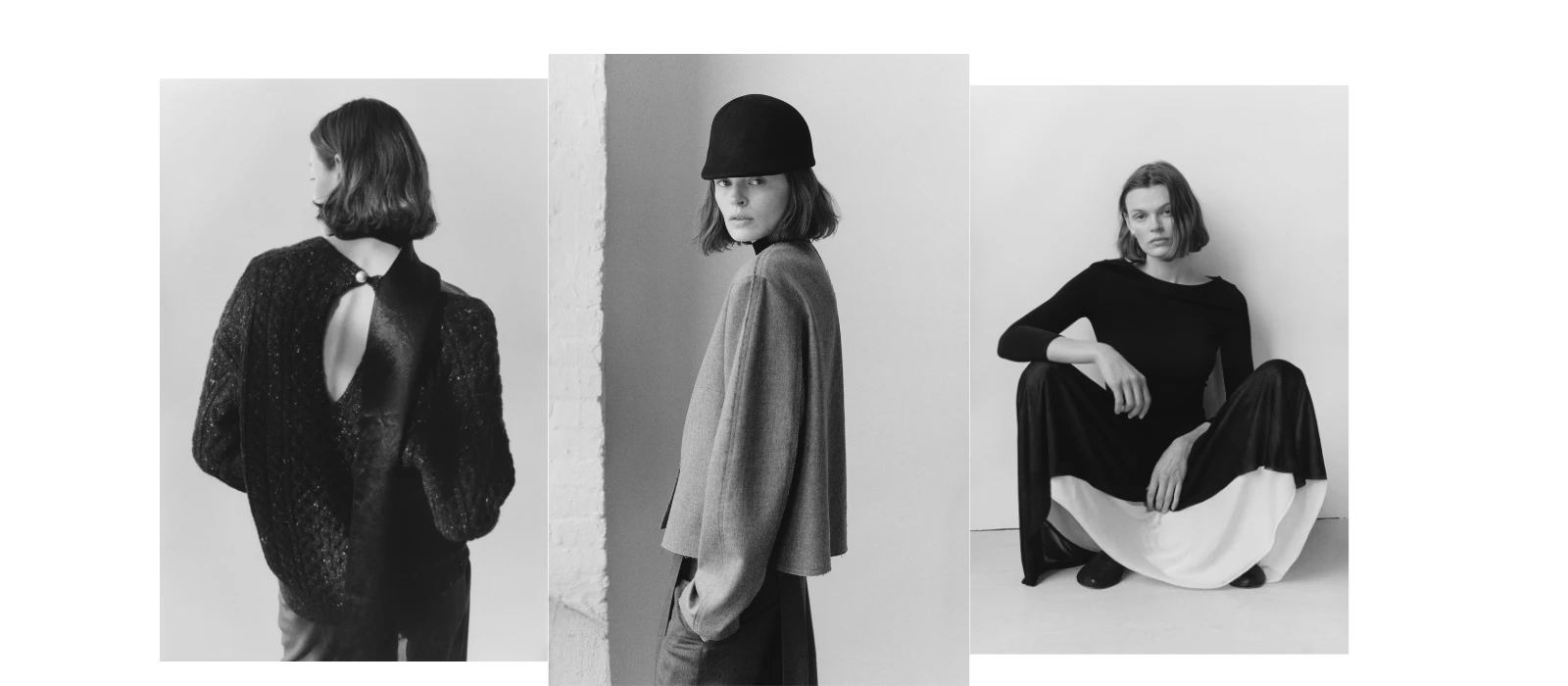
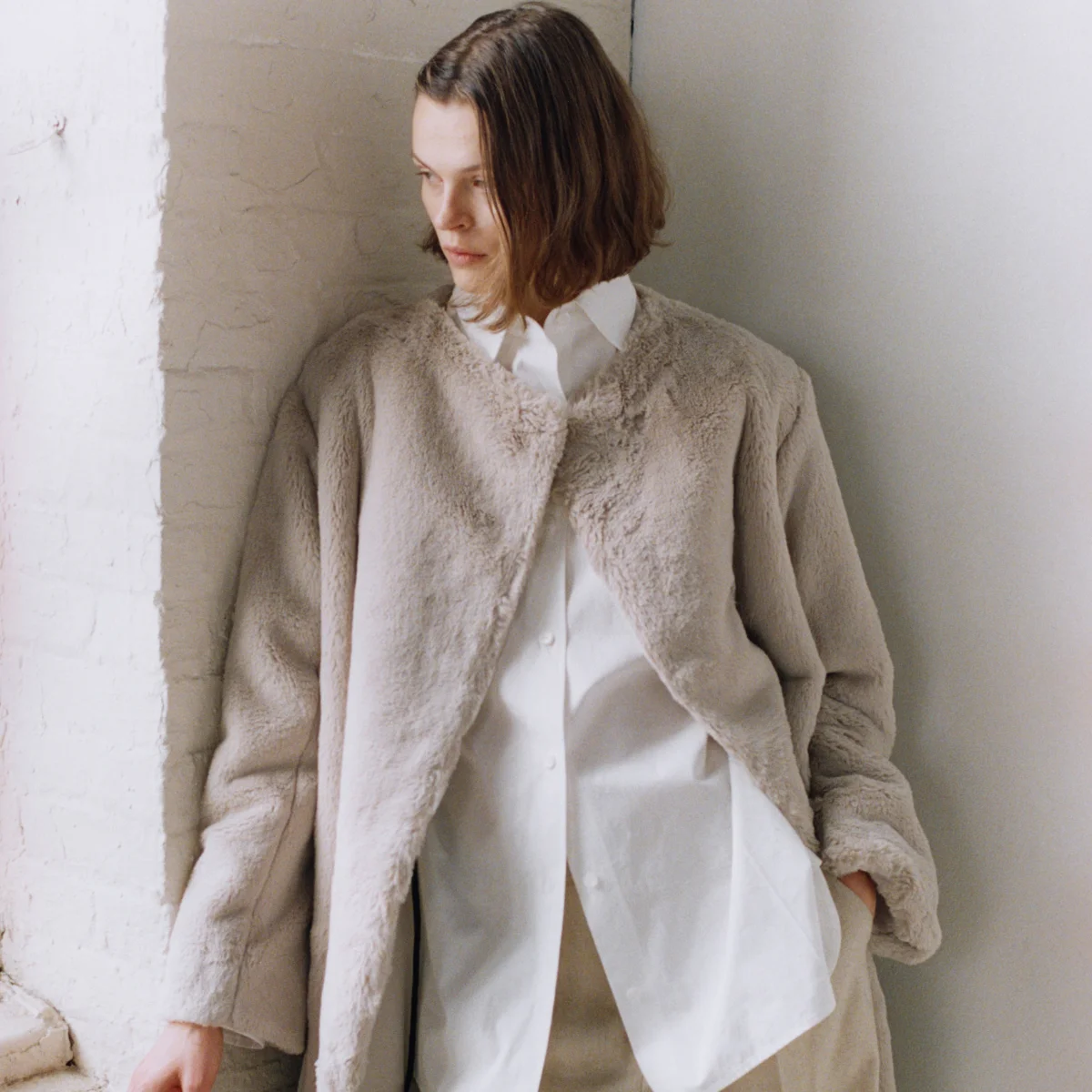
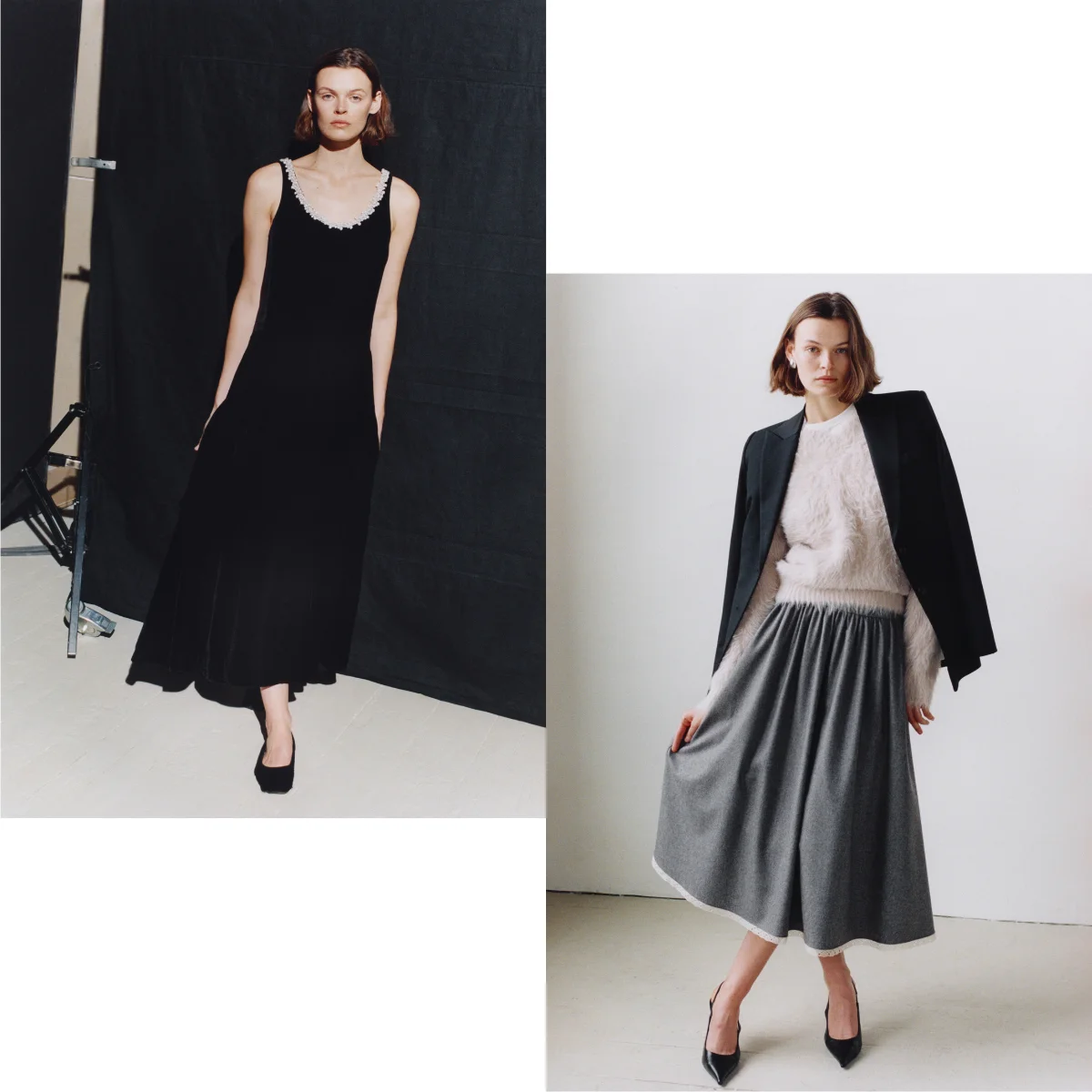
The essence of her heritage was manifest in the collection. McManus pinned modern druid folk and Sinéad O’Connor’s artistic collaborations to her mood board. Lankum played in the studio. Irish craft informs the design language through Aran cables, tweeds, crochet, and heirloom pearls. Other elements borrow from the life she lives in New York’s Tribeca like a deadstock python leather skirt with a simple knit, a black scoop neck column gown with a cluster of pearls embroidered on the neckline, and a grey shearling coat over a cream dress in her signature Naia Renew fabric, made from 60% sustainably sourced wood pulp and 40% certified recycled waste. Chic gestures like black leather opera gloves rounded out the offering.
“As an independent label, we recognise that our efforts alone cannot resolve the environmental, social, and political challenges of our time. Yet by championing collaboration, sustainable practices, and the preservation of craftsmanship, we believe meaningful change within our industry and beyond remains possible,” says McManus.
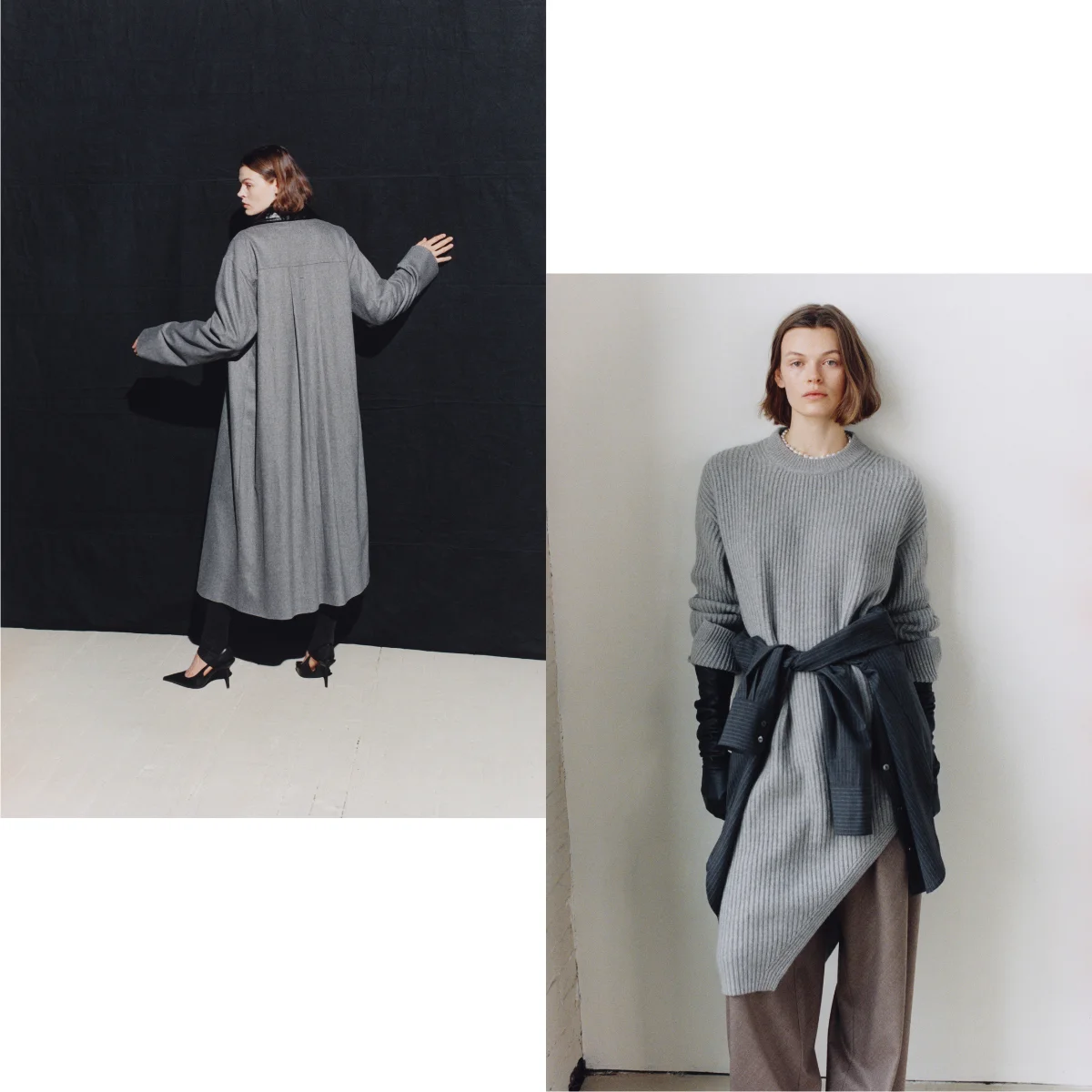
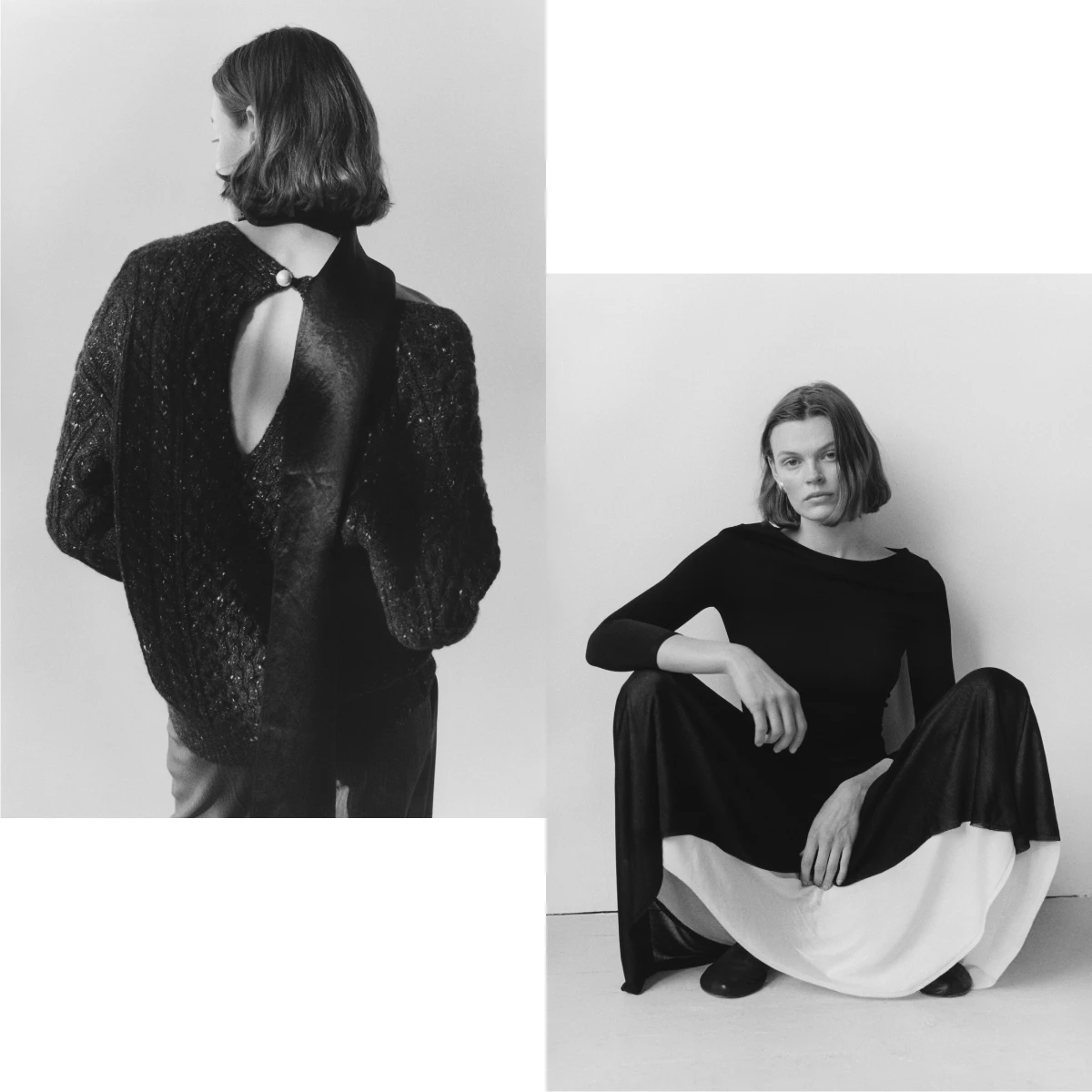
What was your starting point for the new collection?
The autumn/winter 2026 collection began as a reflection on Ireland, both the Ireland of my childhood and the one I now observe from a distance. As an immigrant in the United States, Ireland currently feels like an idyllic place, one where the arts and natural world are deeply valued, and where collective well-being and sustainability are seen as shared responsibilities. At a moment when it can feel difficult to identify public figures worth admiring, Ireland’s progress as a relatively young republic resonates profoundly.
I was drawn to modern Irish druid folk, the poetry of Seamus Heaney, and the collaborative spirit of Sinéad O’Connor. There is a deep reverence within Irish culture for language, craft, music, and the natural landscape which feels increasingly powerful to me.
That sense of cultural memory and civic responsibility became the framework for the collection which is rooted in heritage and craft, while being equally concerned with how we carry that legacy forward with intention, integrity, and care.
Could you tell us about some innovations around sustainability that you are introducing for AW26?
Velvet is a new addition this season, developed from Japanese FSC-certified viscose. It appears in a long black godet dress finished with a vintage georgette ribbon adorned with tiny white pearls, as well as in delicate lace-trimmed cami tops.
Recycled faux fur has a stronger presence this season, appearing in reversible coats, boleros, and sweaters, designed to extend versatility and wear. We’ve also expanded our use of an Italian recycled cashmere blended with organic cotton across reversible jerseys and coats.
We are also continuing to develop and explore closed-loop fabrics. The NAIA Renew silk-like sateen used in the voluminous gathered skirt, the scarf scoop dress, and the wrap skirt trouser is derived from 60% sustainably sourced wood pulp and 40% certified recycled waste, produced in a system where water and solvents are recycled. We’re also excited to be including deadstock leather, in a beautiful python print, this season.
Finally, we remain committed to preserving craft. This season includes the use of Dentelle de Calais-Caudry, a 200-year-old French lace tradition, integrating heritage craft into a modern, responsible wardrobe.
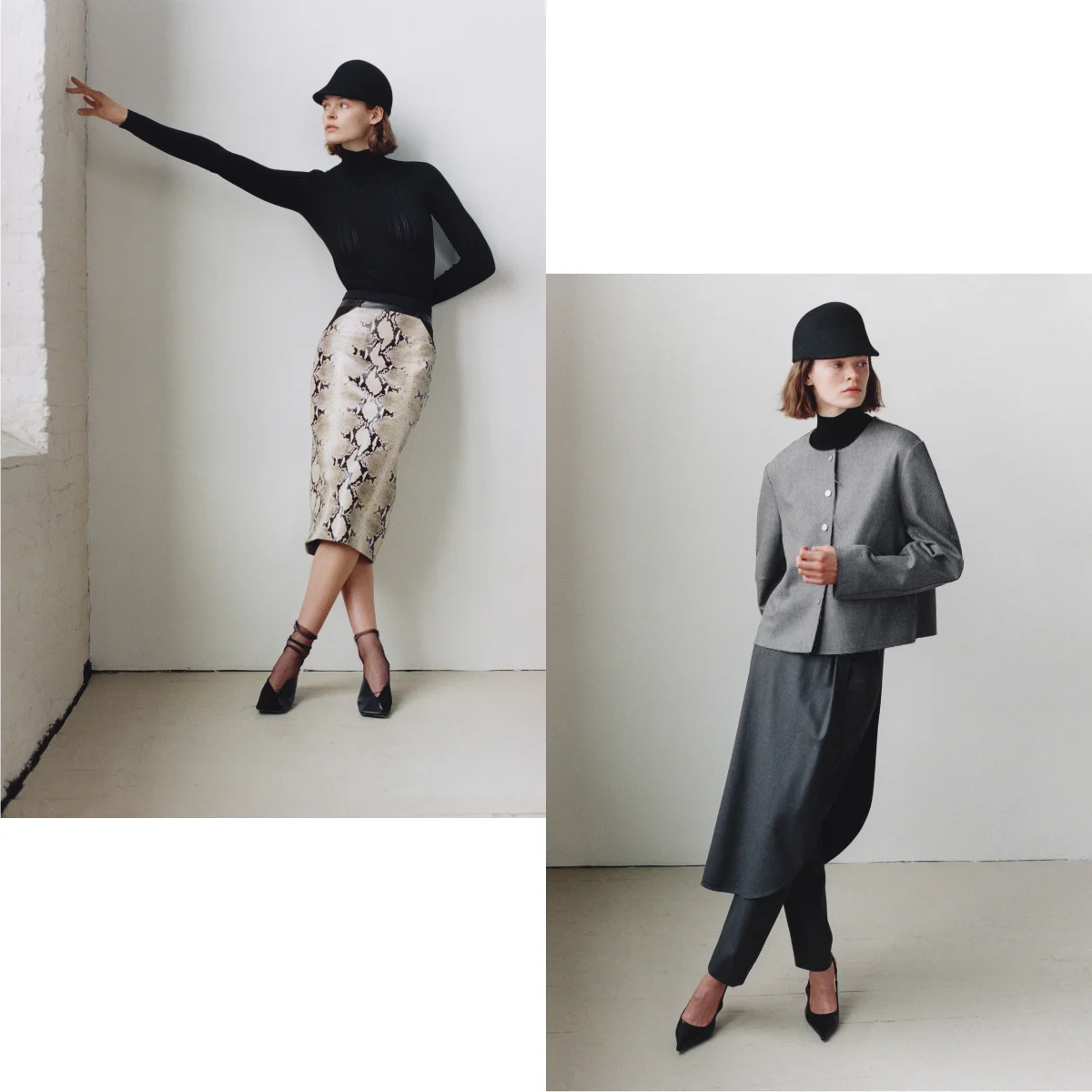
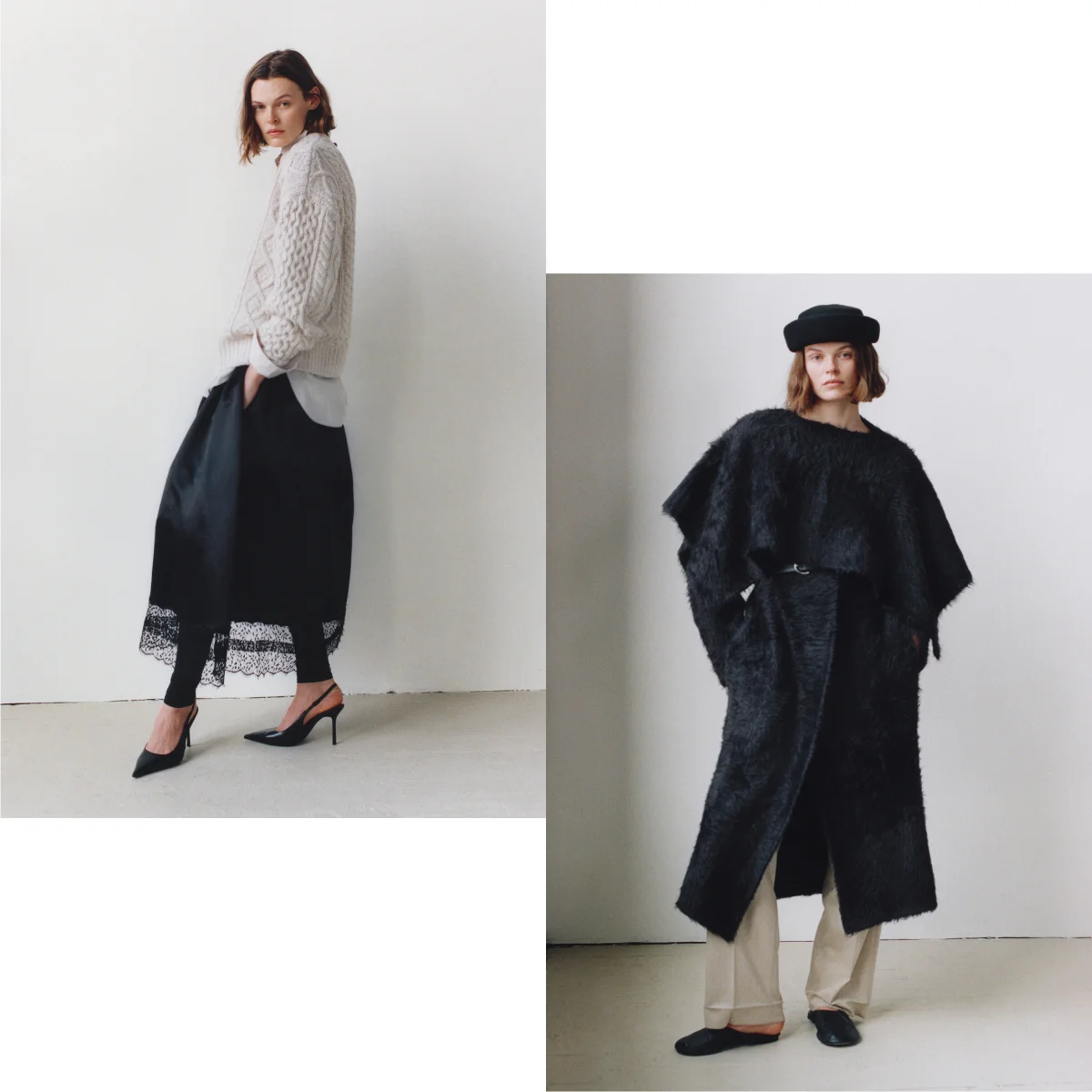
How is a designer’s responsibility to address the current climate in their work evolving?
As designers with a platform, we have a responsibility to use our voice. Fashion is never just about clothes, it exists within a broader cultural, social, and environmental context, and everything is connected. What we choose to create and wear communicates values, priorities, and intentions. Our work has the power to reflect, challenge, and shape the world around us, and with that comes the responsibility to make considered, meaningful choices.
An example of this was the ‘ICE OUT’ pin I wore at our salon last week, which may have been photographed as much as, if not more than, a standout piece of the Fall collection – a velvet dress trimmed with vintage pearl ribbon. That felt significant. I chose to wear the pin because being an immigrant in this country has shaped my perspective and I hope more people would understand how hard immigrants work to get here, and how deeply we commit to contributing once we arrive.
You used a Séamus Heaney quote at the show. Why did it resonate with you?
This quote resonates deeply because it speaks to the power of example, of being the change we wish to see in the world. In a moment when it can feel difficult to find figures to look up to, it reminds us that we can start that change within ourselves. By acting in ways that inspire and uplift those around us, we have the ability to shape our communities and create influence through those closest to us.
Also Read