
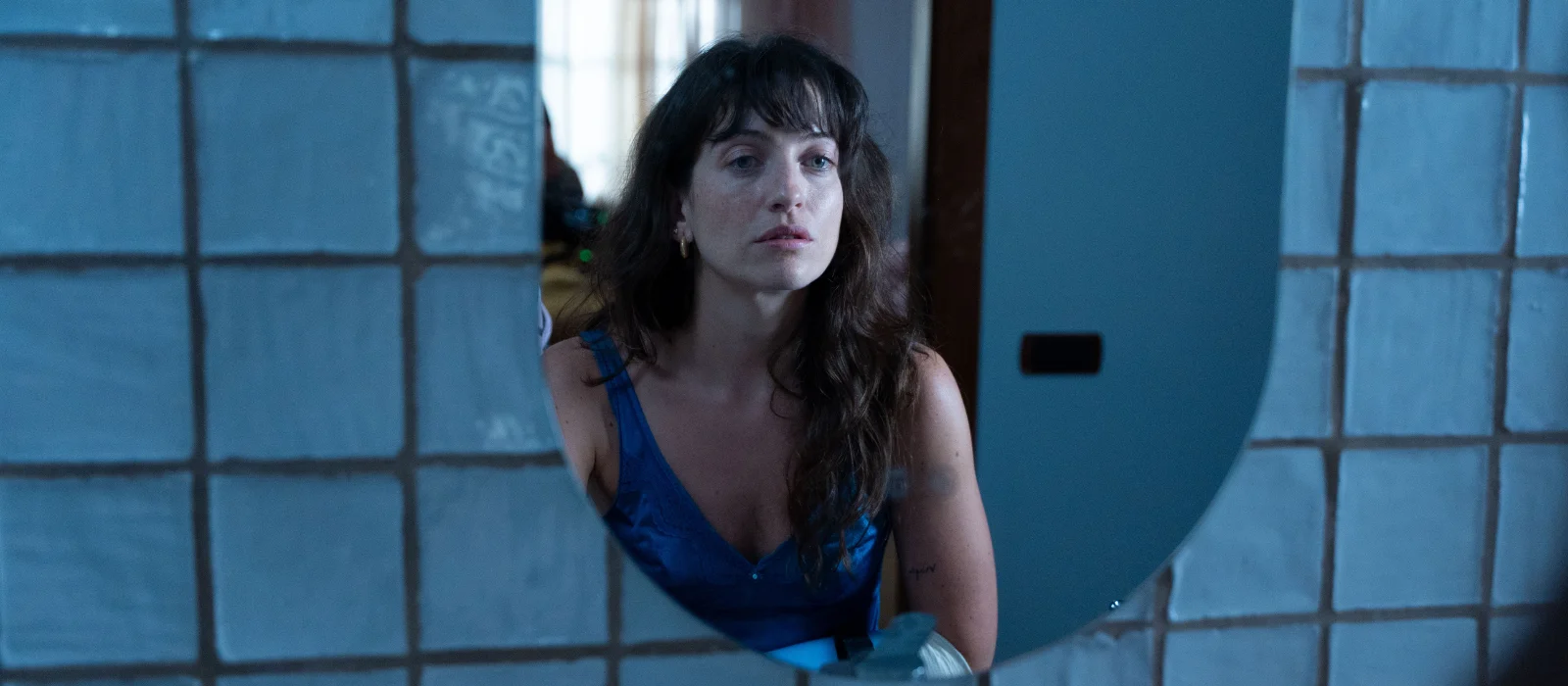
India Mullen: ‘Niceness can be the death of wildness, and wildness is a deeply important part of femininity’
Ahead of the release of new Irish comedy-drama These Sacred Vows, Sarah Gill sat down with India Mullen—who plays Ava in the ensemble cast—to chat about working with John Butler, the intrinsic link between filmmaking and empathy, and bouncy castle Catholics.
Arriving on our screens this coming Sunday, These Sacred Vows is a comedy-drama from RTÉ that justifies paying your TV license. Written and directed by award-winning Irish screenwriter John Butler, it’s a show that deftly lays out the fragments of modern Ireland, all our funny little foibles and ancestral quirks, and shines a big beautiful disco ball on them.
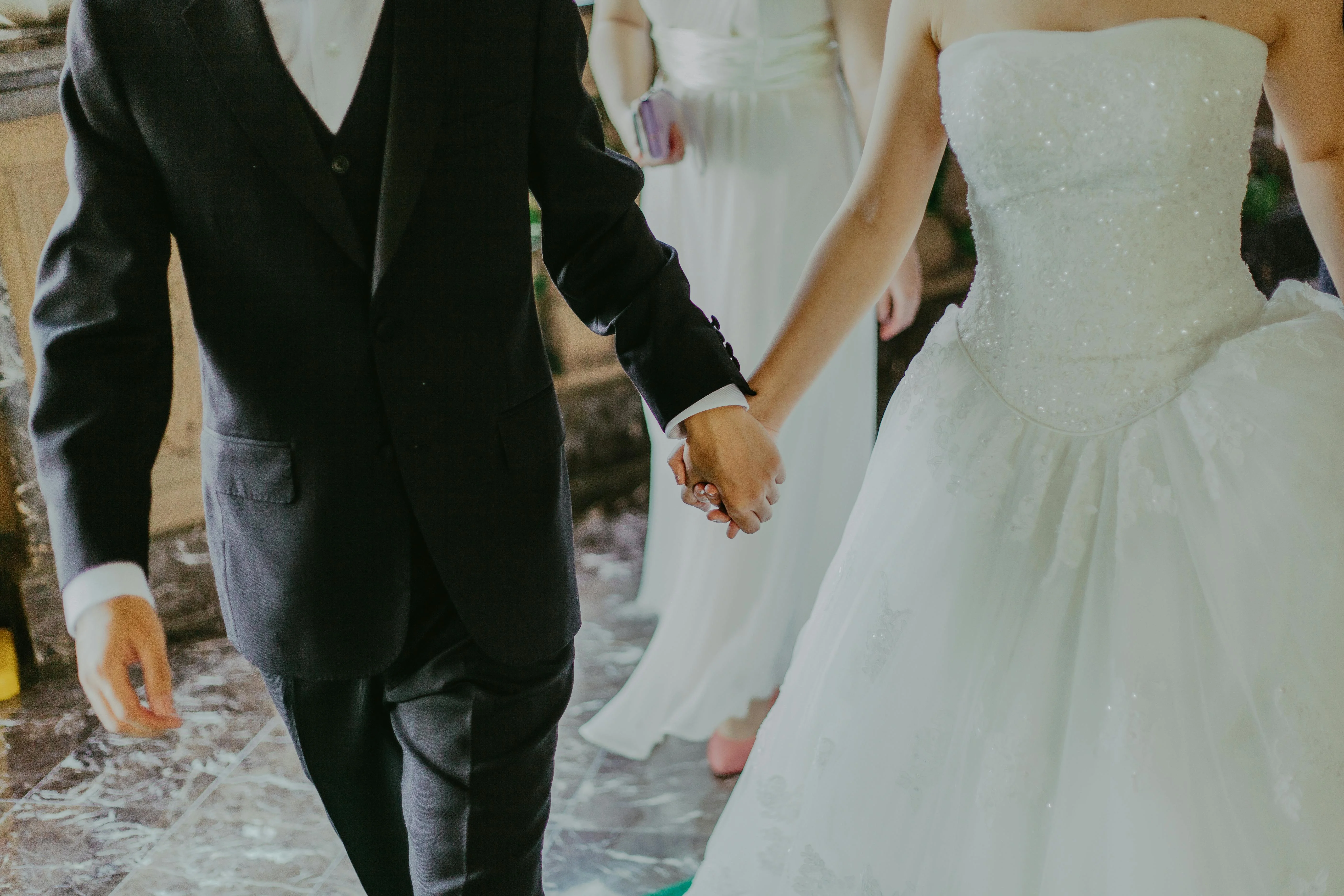
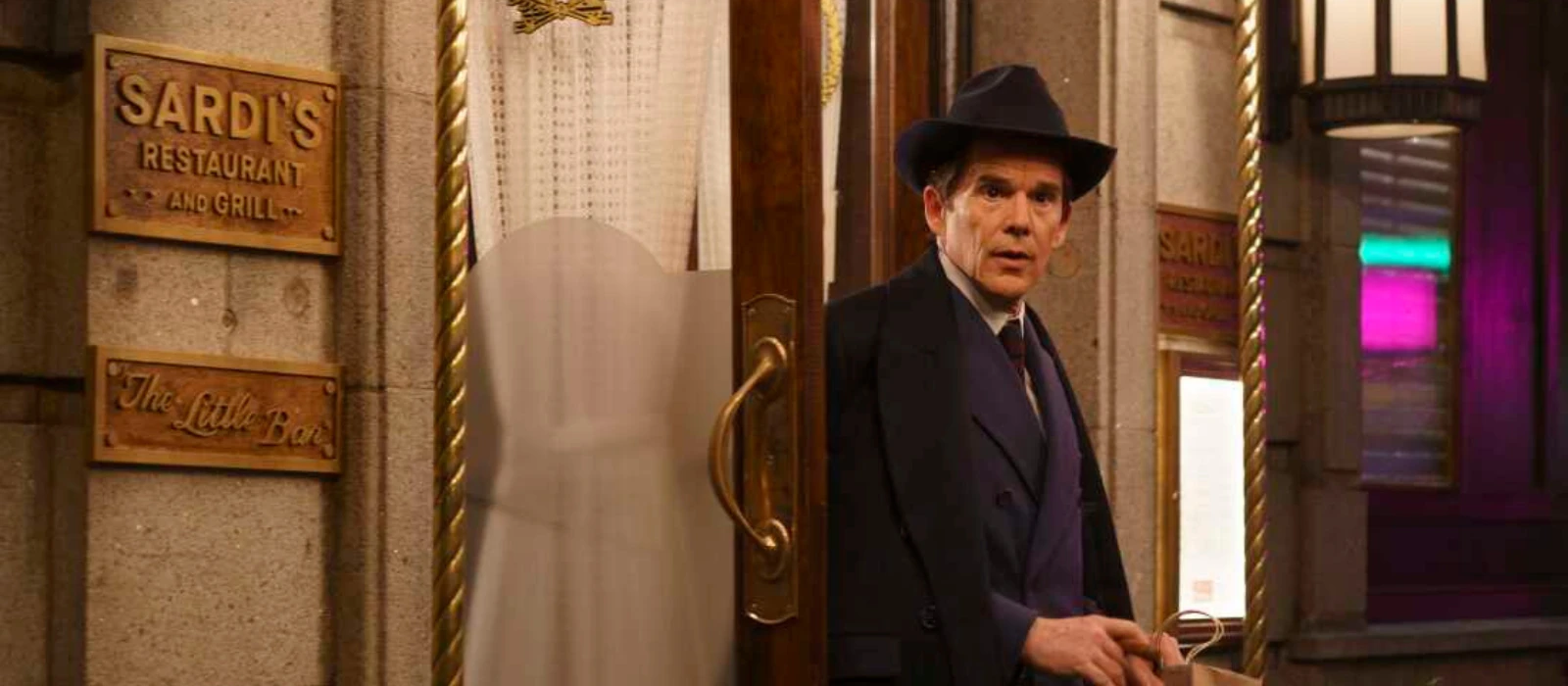
The six-part series revolves around an Irish wedding on a Spanish island. The first episode opens on a priest (Tom Vaughan-Lawlor) floating face-down in a pool. His posthumous narration lets us know his “era of giving a tuppenny f*ck” is over, and he’s going to give us the gospel of what went down over a week in Tenerife, where he would be officiating at the wedding of an old friend’s daughter.
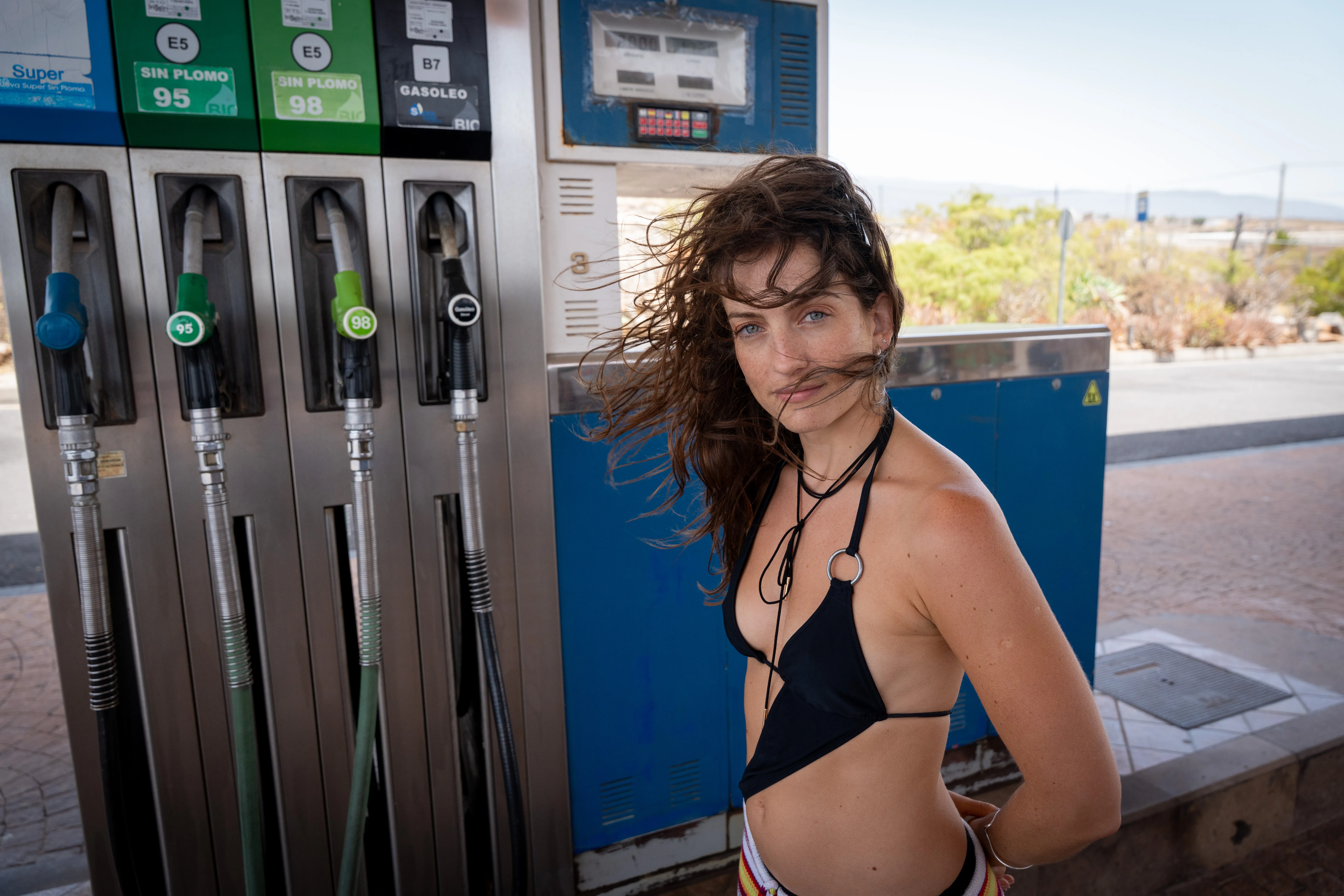
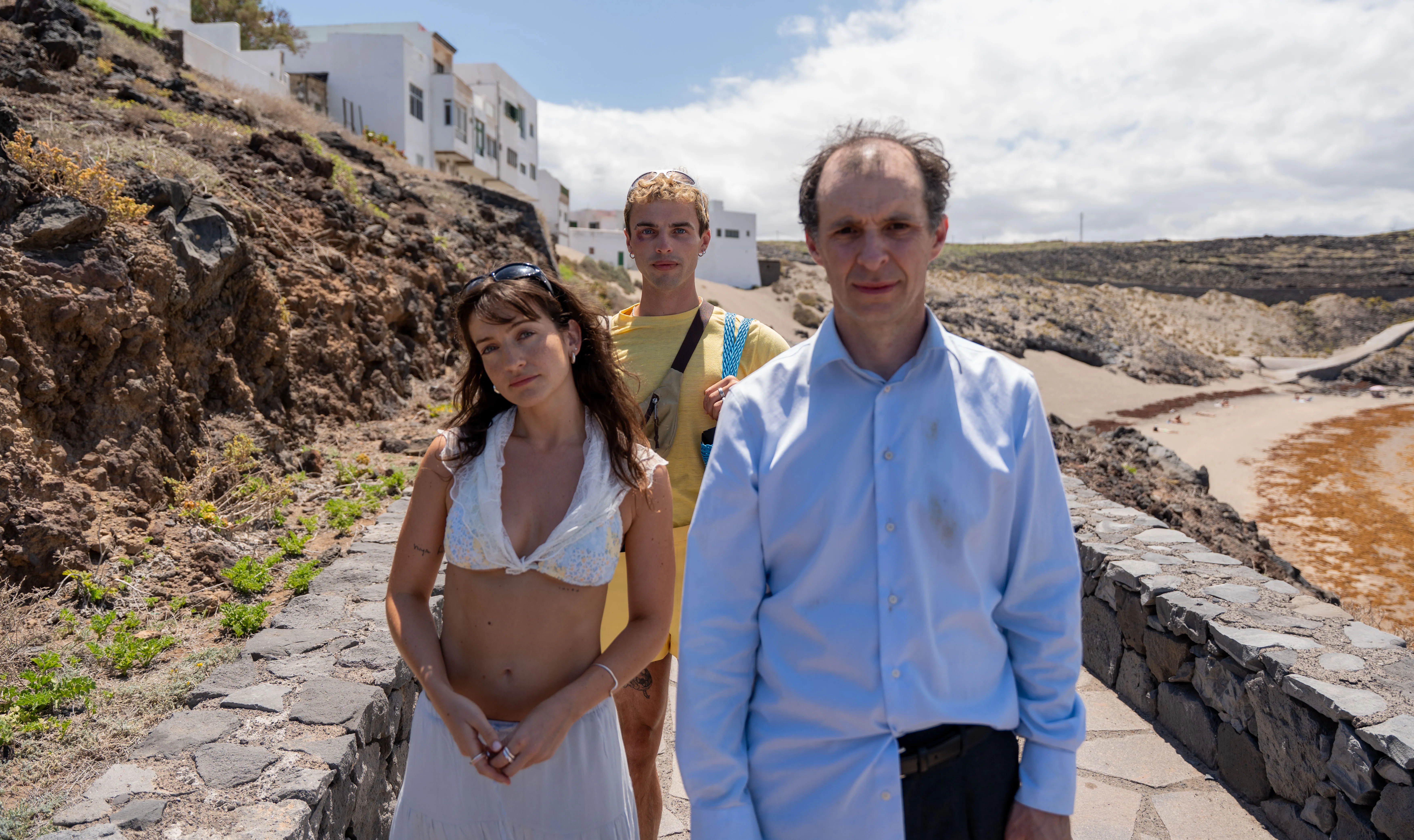
We’re gradually introduced to the ensemble cast, which includes Justine Mitchell, Jason O’Mara, Adam John Richardson, and Shane Daniel Byrne. The series is structured, according to John Butler, as five feature films, followed by an episode of television, which makes for extremely absorbing viewing. Each episode centres on a specific character, exploring their inner worlds. Episode four belongs to Ava, played by the truly captivating India Mullen, who you may recognise as Peggy from Normal People and Lisa Wallace from The Vanishing Triangle.
“It’s such a clever format,” India tells me over Zoom. “Each episode feels stylistically completely different, while still retaining a very clear throughline. John is genuinely hilarious, but he’s also deeply intelligent. His observations of people and Irish culture are so sharp. It’s not comedy for the sake of comedy, it’s got real depth. I think when there’s specificity in writing, it translates.”
These Sacred Vows is, objectively, hilarious. The observations and jokes are there, delivered deliciously with nuance and understanding. That subtlety can feel rare in an era of gauche chicken-fillet-roll humour, and beneath that nice fun sugarcoating is a real meaty drama, one that tackles issues at play all around us, from the simultaneous redundancy and ubiquity of religion in modern Ireland to complicated family dynamics, sexuality and obligation.
In Ireland, there's this real pressure for women to be virtuous, to consider themselves a nice person, a good person. Ultimately, I think that niceness can be the death of wildness, and wildness is a deeply important part of femininity.
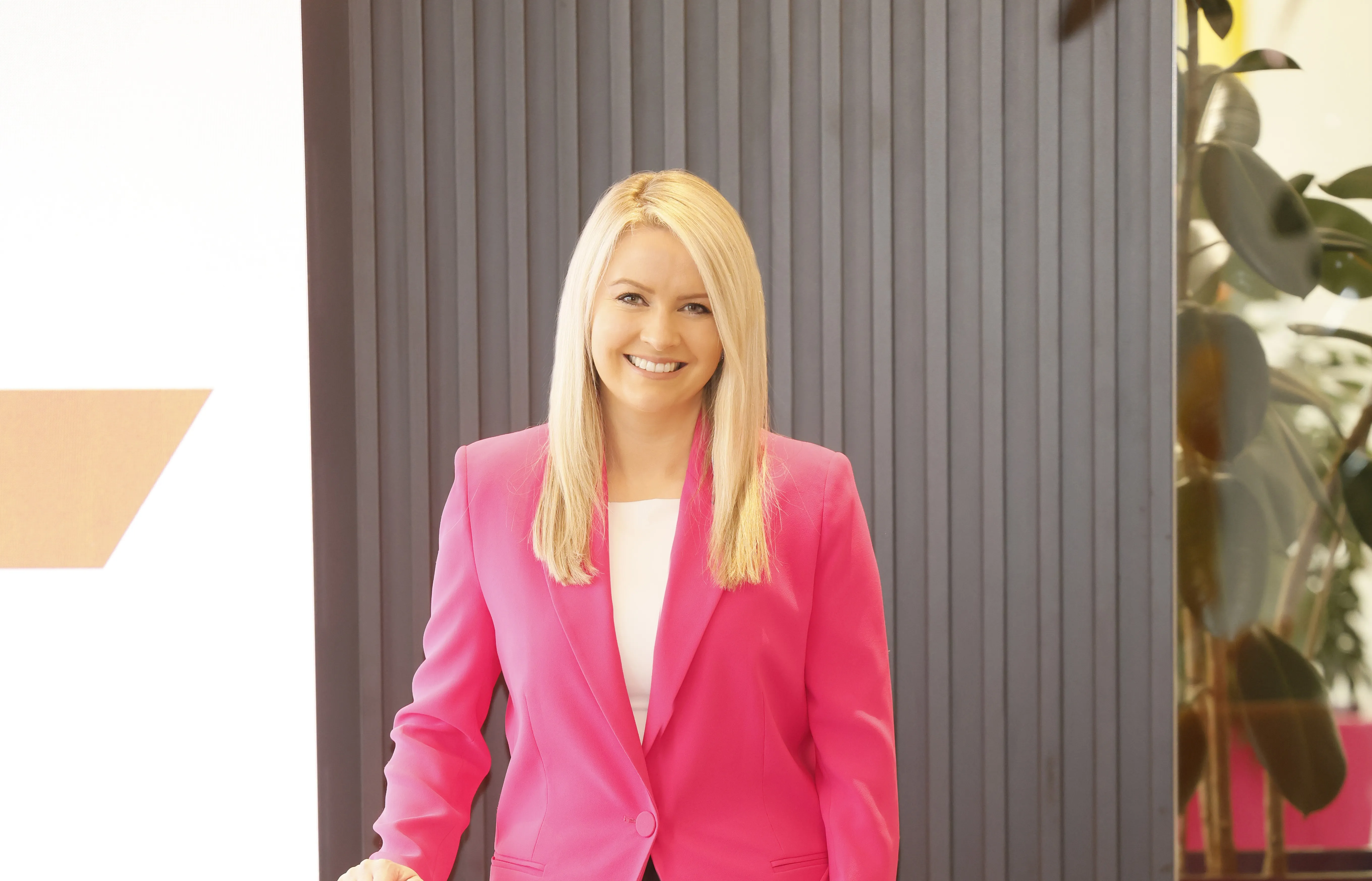
Ava, India’s character, carries a lot of emotional weight, projecting a warm, nurturing bubbliness while tensions bubble just under the surface. “When I read the script, I immediately fell in love with Ava, maybe more than any other character I’ve played,” India says. “I felt that there was this Labrador quality to her that was very sunshiny and almost naive. When we meet her in the story, she’s on the cusp of finding her own power, her own badass self, but she’s just not quite there yet.”
“To me, that really represented something that’s quite specific to Ireland, or any country that’s got Catholicism sewn into the culture and landscape, which is this real pressure for women to be virtuous, to consider themselves a nice person, a good person. Ultimately, I think that niceness can be the death of wildness, and wildness is a deeply important part of femininity. Ava doesn’t quite know how to navigate expressing her deeply truthful emotions. She’s afraid of her wildness, her anger, her sexuality, and expressing emotions without censoring them.”
This is something that India, myself, and presumably many Irish women can resonate with. Having grown up in the Catholic school system, India says she “inherited so much pressure to be a ‘good woman’, and that kind of culture can negate so many parts of yourself. It’s that patriarchy that is deeply buried in our bones to the point where you don’t see it for what it is, it’s not immediately obvious. It took me leaving school, and ten years after that again to find that more authentic version of myself. Ava hasn’t gotten there yet, but I can see where she’s going.”
“In Ireland, it can feel like the highest possible form of acclaim for any person is that they’re selfless, that they’re devoid of notions,” India muses. “I’m so proud that we celebrate people who are giving and kind, but it can be taken to extremes whereby people think that they have to completely diminish their own value and not take up any space, especially as women, and the knock on effect of that is very harmful.”
Remember the priest floating face down in the pool? He was flown over to Tenerife by characters representative of the bouncy castle Catholics that Ireland’s got tons of. They don’t go to mass or have any real connection with those sacred vows, but damn it they love the sense of occasion a wedding, communion and confirmation affords. Sure it’s the done thing. Our relationship with religion plays out in the different ways in which the various young people interact with the priest. Some are warm, some decidedly confrontational, others just not quite sure how to interact with him at all.
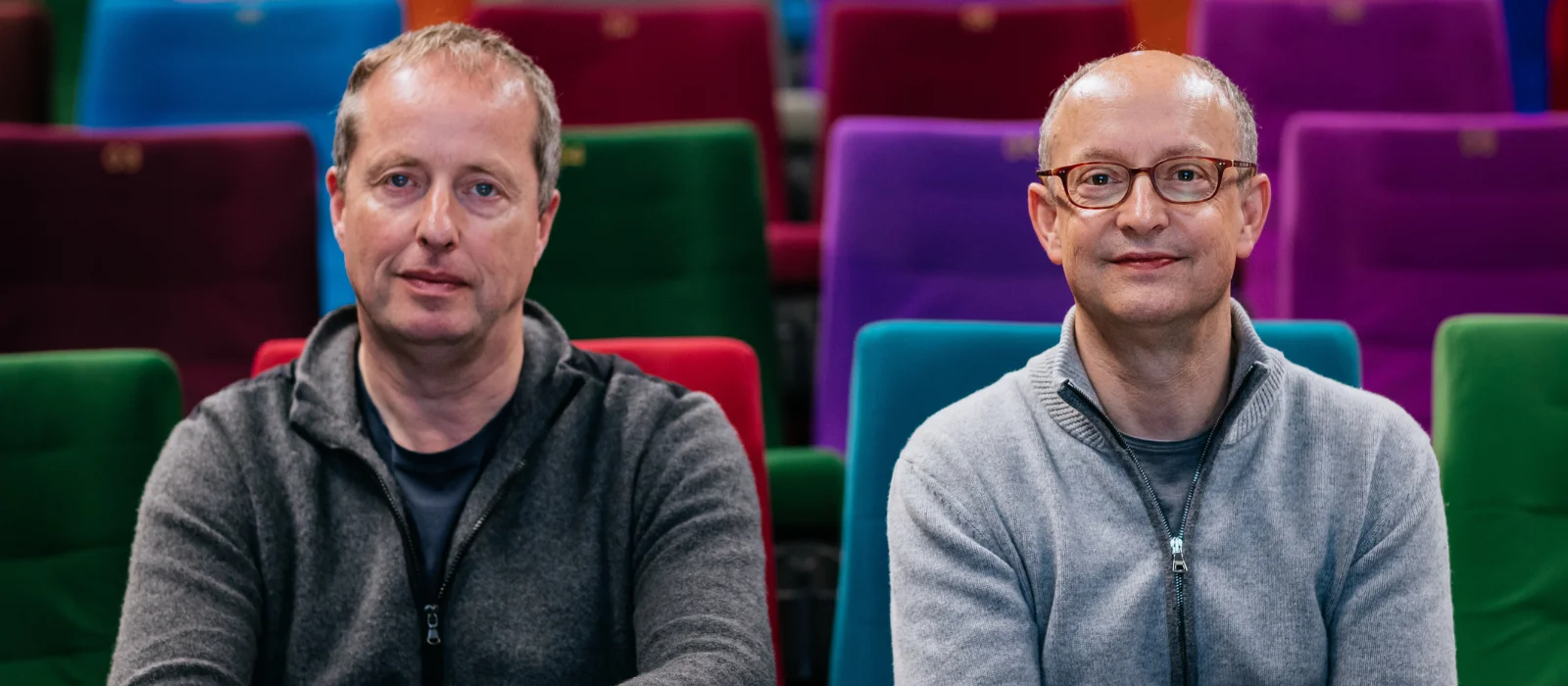
Lenny Abrahamson, Hettie Macdonald and John Butler all have this incredible level of empathy for the Irish. There are gorgeous celebratory elements, but they aren’t afraid to challenge, to pull apart aspects of us as a nation of where we could be freer.
I wonder if, in the same way that viewers of Normal People felt compelled to call Joe Duffy about the nakedness and the sex and the relationships, there’ll be a similar fizz of discourse abounding from These Sacred Vows on the topic of religion.
“It’s so hard to predict how something is going to reach an audience,” India considers. “All you can really do is commit to what you’re making. What’s at the core of these two stories are filmmakers that challenge, in ways that are not immediately obvious, the ways in which we’re oppressed. Our generation almost doesn’t know the root cause, but we still have a lot of shame. For the characters of Normal People, that surfaces in the complexities of being vulnerable, and in These Sacred Vows, I think it manifests as having an internal opposition in terms of how you want to experience the world.”
“Lenny Abrahamson, Hettie Macdonald and John Butler, all three filmmakers have so much love in the way they create film and television. They don’t approach things with cynicism, they come from a loving, kind, sensitive place. They’ve got this incredible level of empathy for the Irish, there’s gorgeous celebratory elements, but they aren’t afraid to challenge, to pull apart aspects of us as a nation of where we could be freer.”
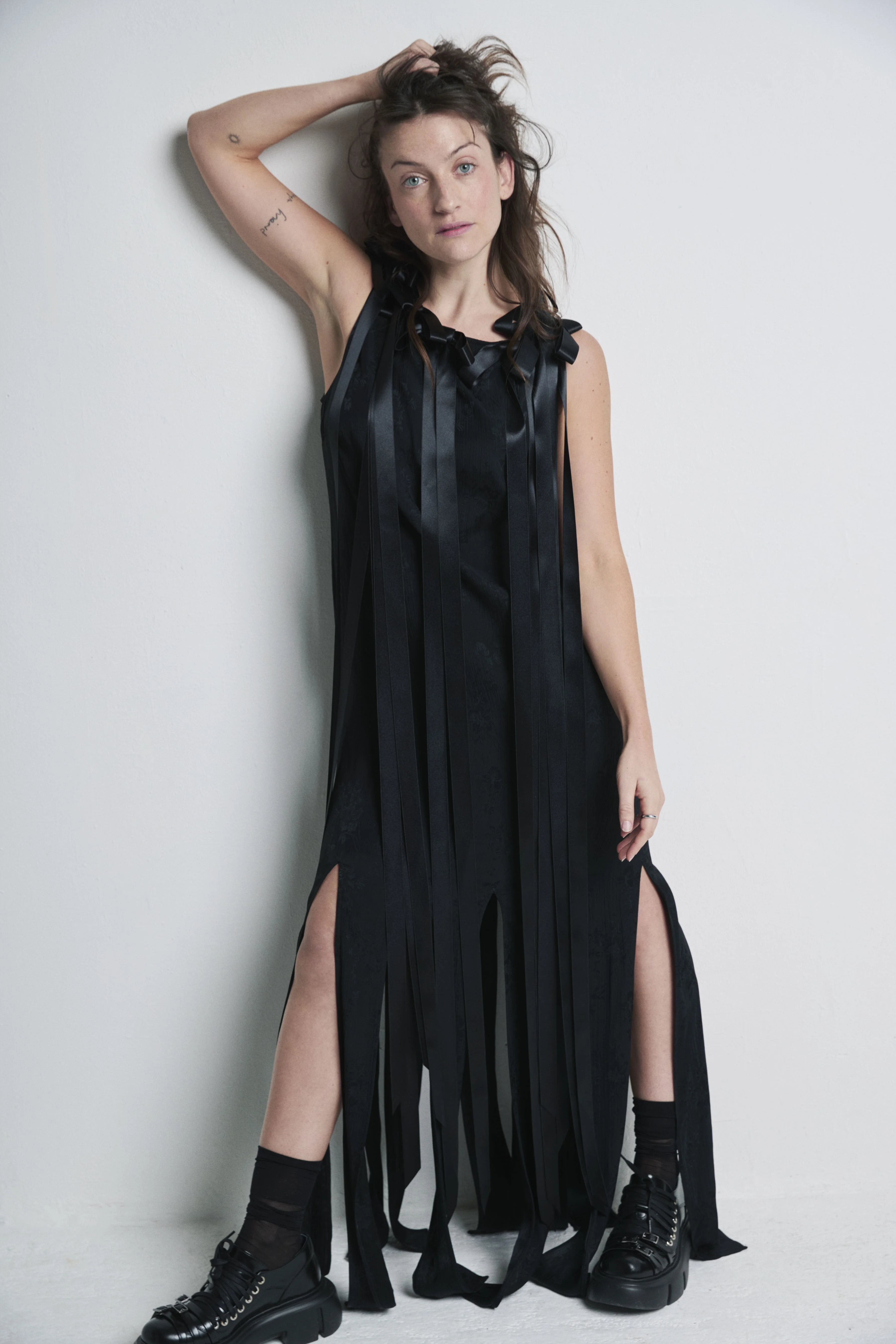
That love of the human, and the study of people, is what India also loves most about filmmaking. “I would be so happy in many departments, in terms of a film set,” India says. “I adore the fact that it’s an industry where people with really different skill sets come together, from really different walks of life, and you’re all working towards this common goal. It’s kind of unifying in that way. You all have this one purpose together.”
“I also just love people. I think there’s a side to me that’s quite shy, and then another that’s actually quite camp. Getting to perform and do silly things is also just so fun to kind of try something else on and fluff up your feathers.”
These Sacred Vows is funny in ways that are both immediately apparent and more cleverly laced in. It’s shot beautifully, different in style and aesthetic from episode to episode, and it does what all good art should do: keeps your mind ticking over. Makes you ponder. Starts a conversation.
These Sacred Vows will debut on RTÉ One and RTÉ Player on Sunday, February 1.
Also Read