










By Edaein OConnell
08th Oct 2020
08th Oct 2020
It goes without saying that this pandemic is having quite a negative impact on our minds – here are three simple ways to mind your mental health
Health, it seems, is the only thing on our minds lately.
The outbreak of Covid-19 has made us look at how delicate the health of a nation can be. Our health – in a physical, societal, and economical sense – has been blown apart. Now we continue to push forward with the work to fix it.
The coronavirus pandemic affects physical health.
However, it has disturbed our mental health too.
The pandemic has caused a lockdown of sorts and in turn a breakdown of what we thought our lives to be. Jobs have been lost and more are at risk. People have lost loved ones.
It’s a lot to take in.
Routine
This is a time when feelings of isolation, worry, and fear will be rife. Our brains can only handle so much, meaning it has never been more critical to mind our mental health.
Truthfully, I have found the past two weeks incredibly difficult. In the beginning, I was quick to jump into a routine and felt mentally sound. Unfortunately, my routine slowly started to change and eventually slip away.
It was then that fear and anxiety took hold once more, and I realised the solid cycle I had created was a source of solace.
These habitual activities don’t have to be tremendous expressions, they can be small changes we make every day. These little adjustments slowly make a difference and allow room for positivity to move into our thinking space.
Here are three of the most helpful.
Journaling
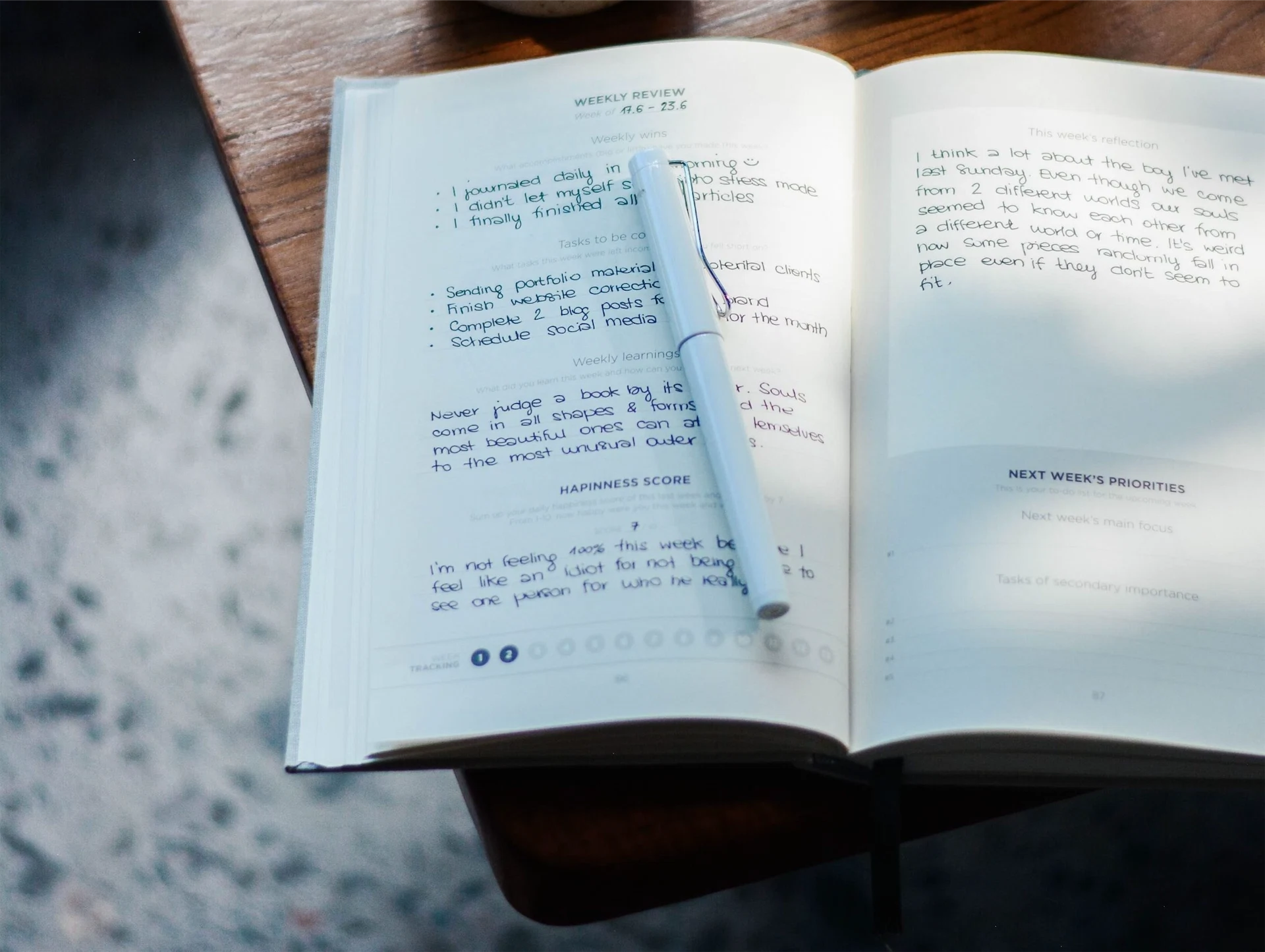
Journaling is powerful. Its benefits are endless, from freeing writer’s block to helping people achieve their goals. More importantly, though, it can bring you into a state of mindfulness. James W. Pennebaker, a social psychologist at the University of Texas told the New York Times that journaling can help us to organise an event in our minds and help us deal with traumatic experiences. It allows you to put all of your frustrations and feelings on paper, subsequently providing you with a greater understanding of the situation.
The idea of journaling can be daunting. Many think it equates to writing a diary but it is not. Journaling can take on many forms, and you can write as little or as much as you like.
Whenever you feel particularly anxious or afraid get a notebook and write the feelings out. Once on paper, they are figuratively out of your system.
Gratefulness is also an influential mindfulness tool. After writing your initial journal, write three things you are grateful for each day. It can be anything from a nice cup of coffee you enjoyed or a moment you shared with a family member. This habit will improve physical and psychological health, self-esteem, sleeping habits, and increases mental strength.
Deep breathing exercises
Yoga and pilates are fantastic forms of exercise. One of the most beneficial aspects of both is the considerable focus on the breath.
Deep breathing exercises are a form of meditation that can help decrease feelings of anxiety and stress. No equipment is required and the exercises can be done anywhere, making it an ideal way to protect your mental well-being during these troubling times.
There is a myriad of options available on the internet, particularly on YouTube where the range of guided sessions is excellent.
Walk
A therapist once told me that “no one comes back from a walk saying they feel worse.” As I sat back and thought about what he said, I realised how true this statement is.
There seems to be a pressure on all of us right now to take part in every Instagram live workout there is. However, walking may just be one of the best activities to partake in during quarantine.
A 2km radius may not seem like much, but it will help both your body and mind tenfold.
The same therapist advised me to not listen to music on these walks. This, he said, is key. He explained that to feel the benefits, I had to tune into nature and the world around me. Being more mindful of the sounds I hear and the sensations I feel.
This practice helps us to be more present. A present mind is well-equipped to deal with any troubles we may face.
It helps us to take each day as it comes.
And in the times we live in, this is a fundamental skill.
If you are struggling with your mental health during the crisis visit the HSE website for more information or call Samaritans on 116 123.
Read more: IMAGEwrites: In the middle of lockdown, I quit all social media (even Instagram)
Read more: We all need a simple daily practice to get us through lockdown – here’s how to find one that works for you
Read more: Tears, fears and tissues: The 5 types of Covid-19 crying we’re all by now familiar with


Also Read