

By Louise Bruton
22nd Nov 2018
22nd Nov 2018
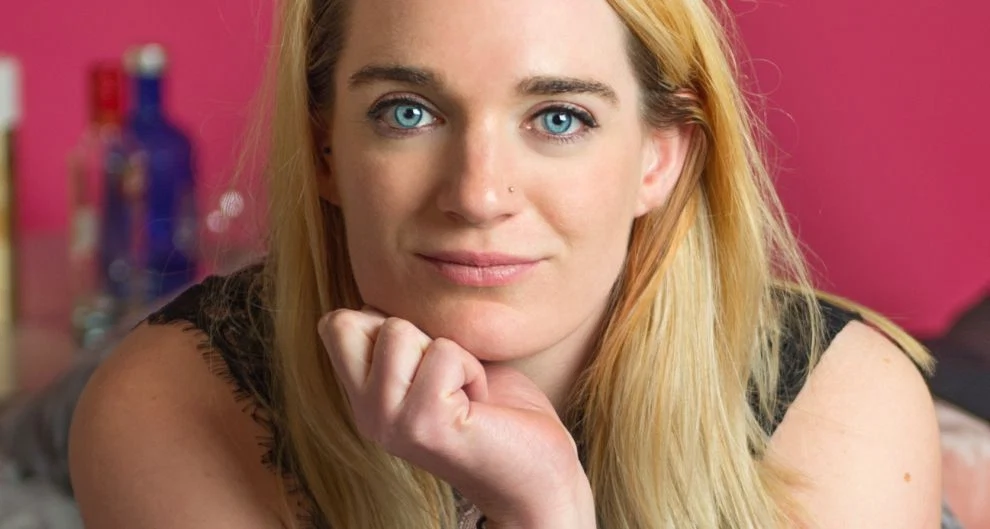
My relationship with the word disabled hasn’t always been pretty. You can probably correlate my confidence in myself with how I treat the word disabled. Right now, I’m just short of getting an old sailor-style heart tattooed on my body with the word disabled emblazoned across it and I know that a lot of people don’t understand my pride in the term but I’m going to explain why.
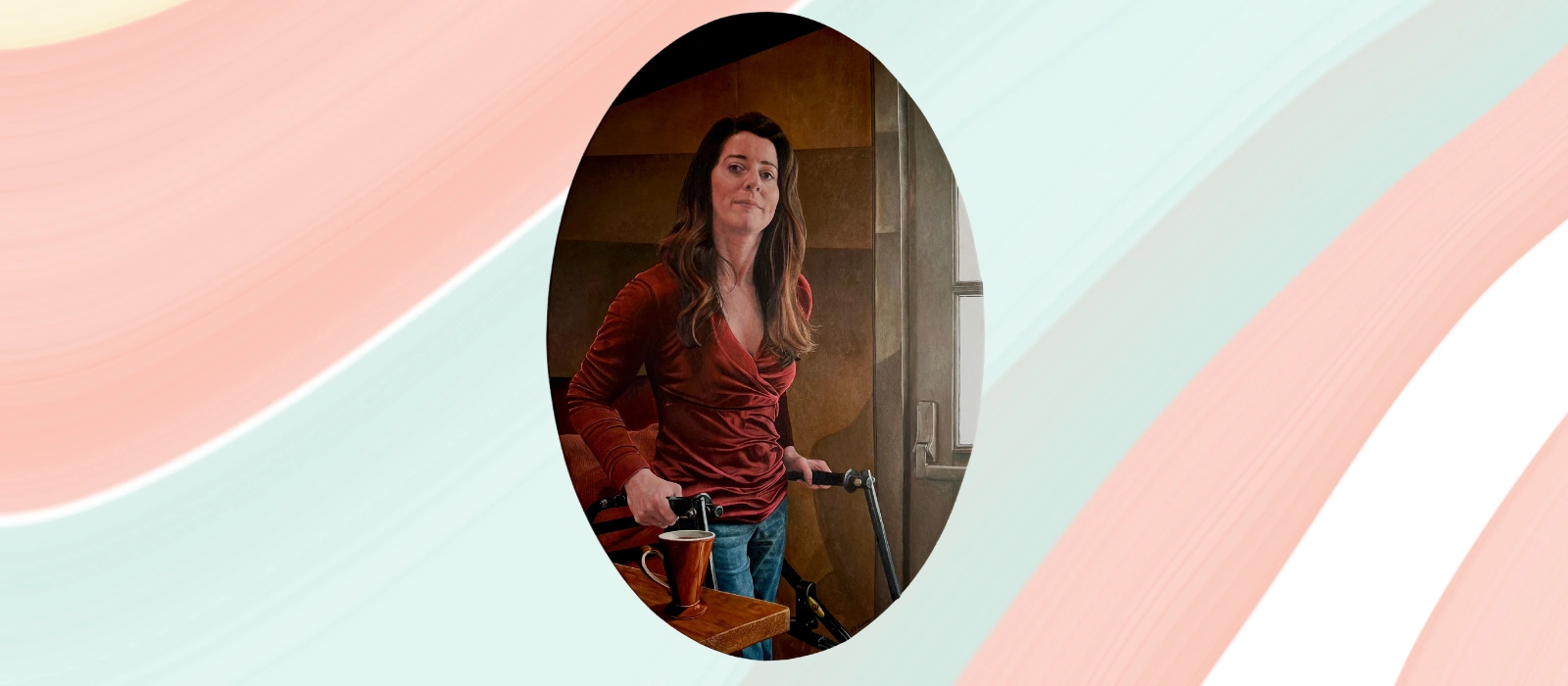
I’ve spent my entire life living with a disability, 23 of those years were on crutches and eight of those in a wheelchair. I am disabled. I’ve got a dark sense of humour. I am disabled. I’ve got scars running down my spine and across my legs. I am disabled. I’ve got dyed blonde hair, blue eyes and pale skin. I am disabled. I am Louise Bruton. Lou Bru. Luberachi. I am disabled.
My disability has shaped every inch of who I am and I’d be a fool to distance myself from that but that’s what I used to do. I avoided the word. When people saw my crutches, they’d ask if my leg was broken. I’d say yes and spin some fantastical story about how I was actually a really good rugby player and I was injured in a scrum gone wrong. Even when I wasn’t a wheelchair user, I’d want to park in the wheelchair parking spot and not the disabled parking spot. I did not want to be associated with the word disabled because I did not want to be seen as disabled. In a vicious display of self-hate and denial, distancing myself from the word prevented me from asking for the help I needed or using the services and facilities that would have made my life a hell of a lot easier.
Language
I was disabled. Instead of baulking at this new level of discrimination, I decided to challenge it.
My acceptance came when I was 25. I was two years into being a full-time wheelchair user and something changed in me. I started writing about my disability and, in turn, became an activist for disability rights. It’s quite the leap to make, to hate the thing you are to becoming a flag-waving, protest-leading activist for that same thing in a matter of years but that’s what happened to me. Making the switch from crutches to a wheelchair opened my eyes to how shut off the world was to wheelchair users and I couldn’t distance myself from that. I was disabled. Instead of baulking at this new level of discrimination, I decided to challenge it. At this time, I was referring to myself as a person living with a disability rather than being disabled. I led with the person because I thought “I’m a person first, a disabled woman second” but when every second of my life has been lived as a disabled woman, how can I separate those two things?
In this age of inspiration culture, non-disabled people – some of them my own friends – want to use more empowering language because they feel like the word disabled has a negative connotation. They suggest phrases like “differently abled” or “physically challenged” but these phrases are just incredibly patronising. It’s a cutesy way of eliminating disability, says the activist in me but the nicer version of me will calmly tell you why that just won’t work.
Our community, our team
Some of us are winning gold medals and changing laws and some of us are just as confused and directionless as the rest of you.
Disabled people by and large face discrimination in shape or form every day of their lives. Whether it’s being talked down to by a stranger, a friend or a family member, not having the same access to education, healthcare or employment as non-disabled people, being denied the freedom of choice, the freedom to travel, the freedom to marry whoever we like or being denied the same physical access to buildings, limiting our social lives and life experiences. Disability is a blanket term to cover the many degrees of disability but it is a unifying one in our community, our team. Since taking on the word disability as a shield and a badge of pride, I’ve found a community that has pockets all over the world and the strength is in our numbers.
The most empowering thing you can do is own the word disabled.
We’ve found each other and we’re increasing our visibility in the world, we’re putting forward a more articulate argument for equal rights and inclusion. Some of us are winning gold medals and changing laws and some of us are just as confused and directionless as the rest of you. We can’t all be the heroes that inspiration culture wants us to be but that doesn’t mean that our stories shouldn’t be shared. We’ve distanced ourselves from archaic words like wheelchair-bound and there’s a retaliation against words like retarded. Those are the words you shouldn’t use because they are the words that restrict us. Those are the words that want to keep us out of view and out of society but they feel no different to “differently abled” or “physically challenged” because those words want us to be a certain way; a rose-tinted way of who and what we are. And we can’t rose tint it because it’s hard. Of course it’s hard. Life is hard for everyone but we, the disabled community, are constantly trying to remind the larger world of our existence. If we can’t find acceptance in the word disabled, how do we intend to fight for acceptance? We can’t tone down or repackage disability as something cute or empowering to make it more acceptable to non-disabled people because if you change the word, will life suddenly become easier for us? No, it will not. The most empowering thing you can do is own the word disabled.
I am everything I am because of my disability. If you take that word away from me, I don’t know what I’ll have left. I am disabled and I use that word to defy everyone who wants me to be something I’m not.
Related Stories
Also Read