





FoodSpace is striving for sustainable, revolutionary change both in Ireland and abroad
Founded in Ireland in 2016, FoodSpace is an award-winning on-site catering company that integrates considered sustainability and responsible food practices. It now operates more than 20 client cafés across the country, as well as some in the United Kingdom. James Gabriel Martin spoke with Culinary Director Conor Spacey about how the project has evolved, including new plans to establish a culinary school in Africa.
When FoodSpace was first established, the vision was relatively simple: to offer a catering service that went beyond the typical goals of simply being as cost-effective and efficient as possible. Founders Conor Spacey and Grainne Carberry had wide-ranging experience of how the industry worked, and they wanted to do things differently. Rather than sourcing the quickest, cheapest, and most shelf-stable ingredients, they put emphasis on seasonality, low food miles, creating as little waste as possible and utilising as much fresh produce as they could. They also strove to build menus around vegetables, legumes, whole grains and quality Irish proteins.
On paper, it doesn’t sound too revolutionary, to try to balance commercial performance with environmental and social outcomes, but in a world where cost-cutting is king, the project stood out as an outlier. “From day one, it was always about using everything. That means utilising different fermentations, pickles and dehydration methods. We’ve found that there’s always something new to do. These practices are being forgotten about in the big commercial world of catering, but building a better plate starts with better choices: seasonal vegetables, whole ingredients, less waste. These are not big gestures. They are small decisions made consistently. That is where the difference lies,” Conor Spacey tells me.
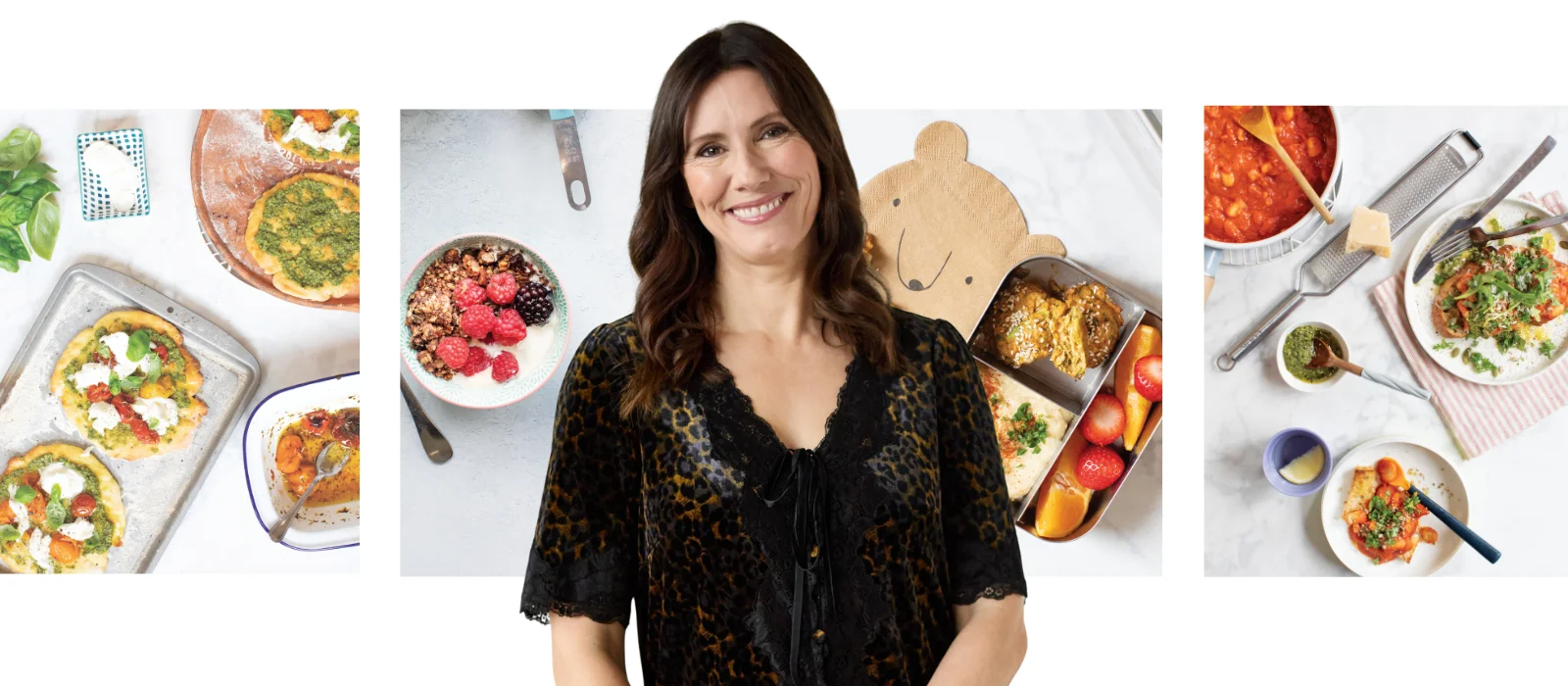
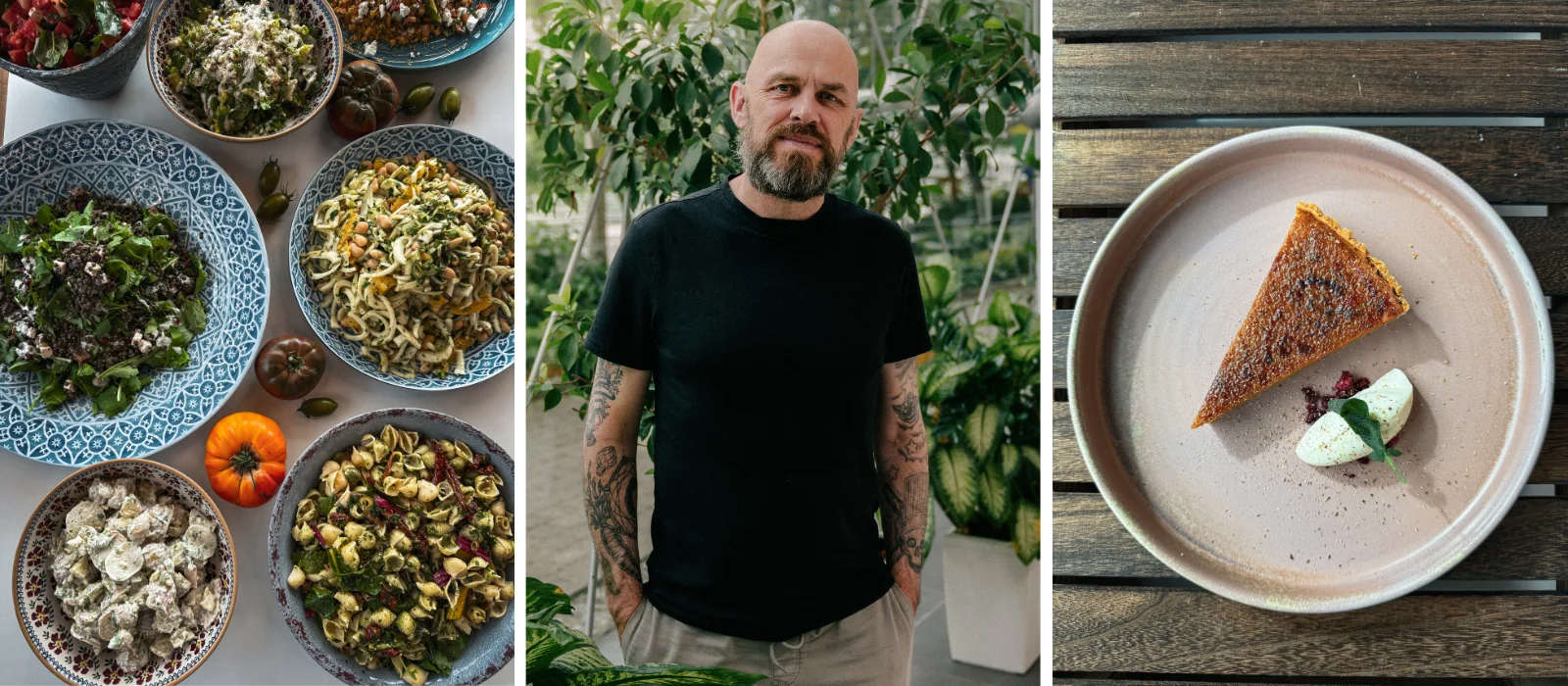
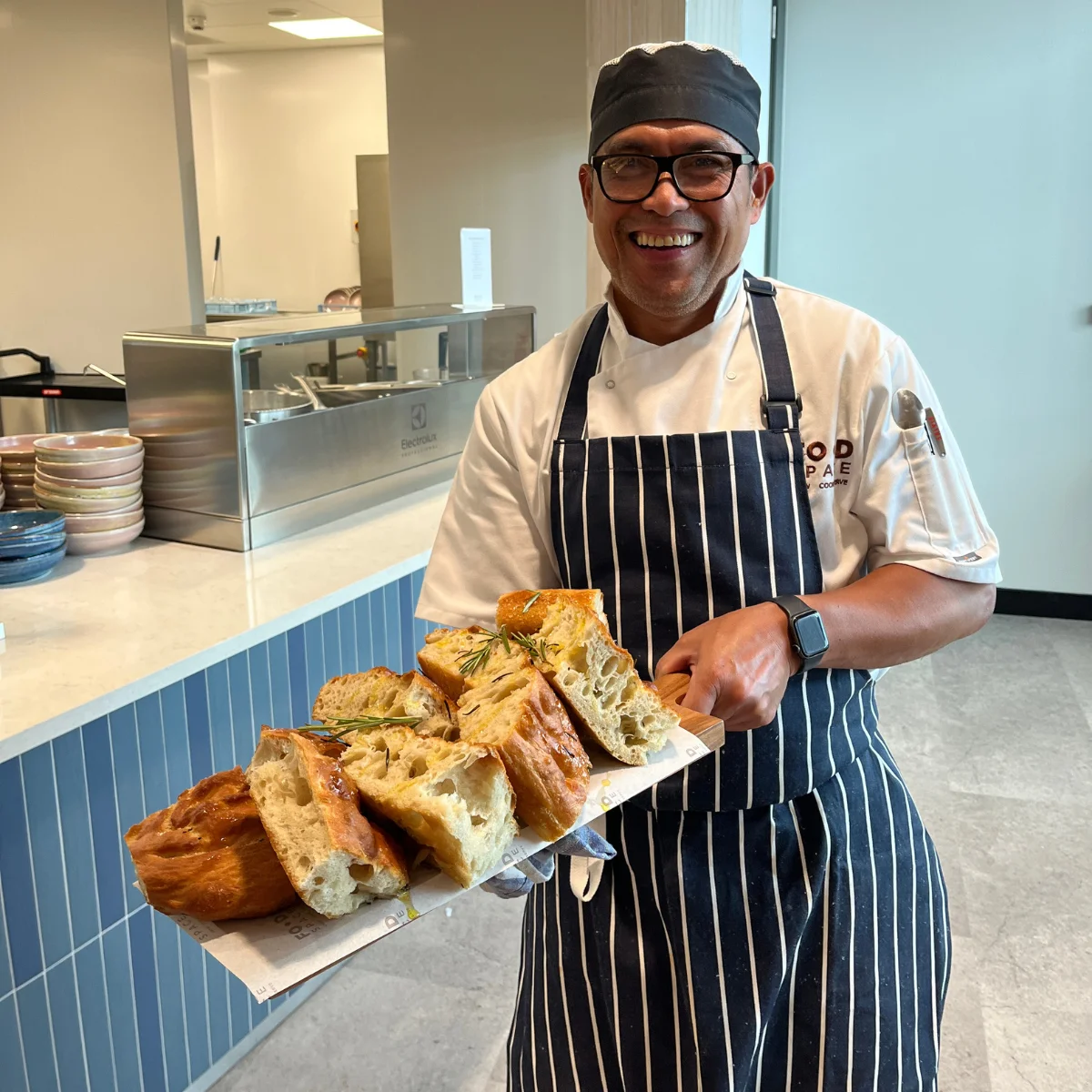
Rather than competing solely on lowest cost, the company says its success has come from delivering higher value food services rooted in quality ingredients, sustainability and long-term partnerships. Each FoodSpace serves as its own hub, with each one also having a unique menu based on the food most accessible in that area. Conor explains that they try to stick within a 50-mile radius of each location when sourcing their ingredients. Dishes that can be seen at a FoodSpace location are diverse, and can include everything from organic leafy salads, dressed potatoes, chickpeas with roasted vegetables, rosemary focaccia and beetroot burgers to a traditional Irish breakfast. This involves working closely with farmers, growers and producers in different areas, having conversations about what they are trying, or touching base on stock that they are having difficulty shifting. The goal is to support producers on a local level while also offering high-quality food. “It’s a never-ending trial but that keeps us on our toes. Working with the seasons actually drives creativity. You still have to look for flavour and texture, and to ensure that people are happy with what they eat,” Conor says.
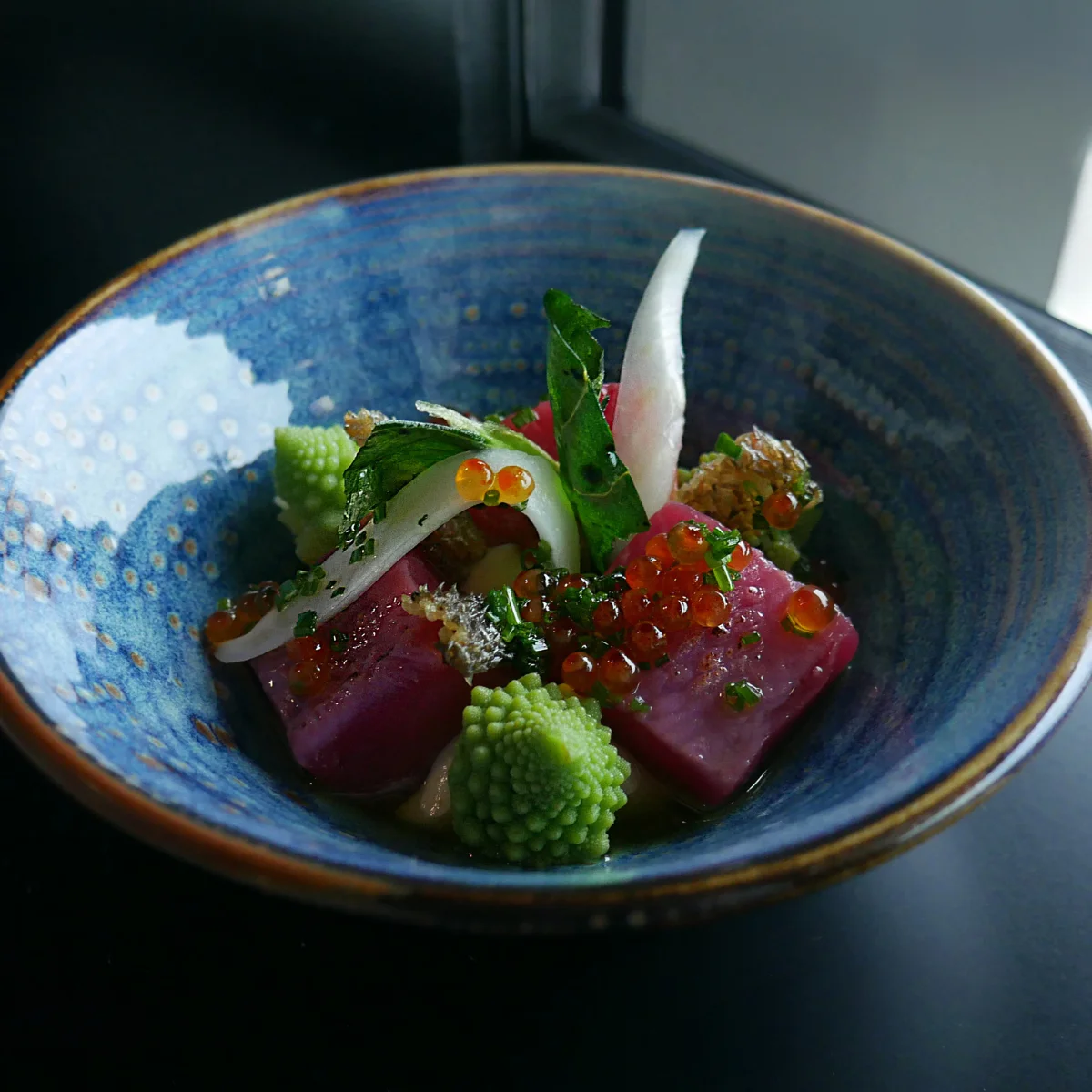
While ensuring customer satisfaction is important, Conor is also pleased that what appears on menus is also driving awareness of sustainability and seasonality. “This is hyperlocal, sustainably-focused food. We try to source what is good for people and what is good for the environment. I refuse to serve farmed salmon and that in itself drives conversation. We will talk to our customers about their favourite dishes and explain that we can’t make it right now because it’s not growing or we can’t access it and that educates people about seasonality,” Conor says.
The approach has clearly resonated, with strong client retention and an impressive expansion in a competitive market. FoodSpace is also expanding further afield. Through a partnership project with Waste to Wonder Worldwide and Apleona, the project is establishing a sustainable cookery school in The Gambia, Africa. It will also include a working café, training facilities and a solar-powered borewell supplying clean water to the wider community. The facility is being designed as a practical training centre where young people will learn skills in cooking, agriculture and hospitality. A café will provide hands-on customer service and food preparation experience, while growing spaces will focus on soil health, native crops and sustainable farming methods. “The ethos travels because it starts with respect. Respect for ingredients, for people and for place. Whether that is in Ireland or in The Gambia, the principle is the same. It is not about imposing a system. It is about working with what is already there and building on it,” Conor says.
FoodSpace has discovered that through the work done to date, it is also highlighting a wider truth about the circular economy, showing that when surplus resources are reused with intention, the outcomes go far beyond reducing waste, by creating clean water, education, skills, and long-term opportunity. As ecosystems, global trade and climates shift, there are also lessons to take away for the future of food security at home. “To me, what they are doing in The Gambia is the future of food,” Conor says. “They have this rich heritage and culture and it was suppressed for so long, but it’s now coming back to the forefront. They have the smallest carbon footprint and yet they are the people most affected by weather pattern changes. We need to look more towards them and how they survive harsh times and feed themselves. I think we can all learn more from it.”
Also Read