








By IMAGE
30th Dec 2016
30th Dec 2016
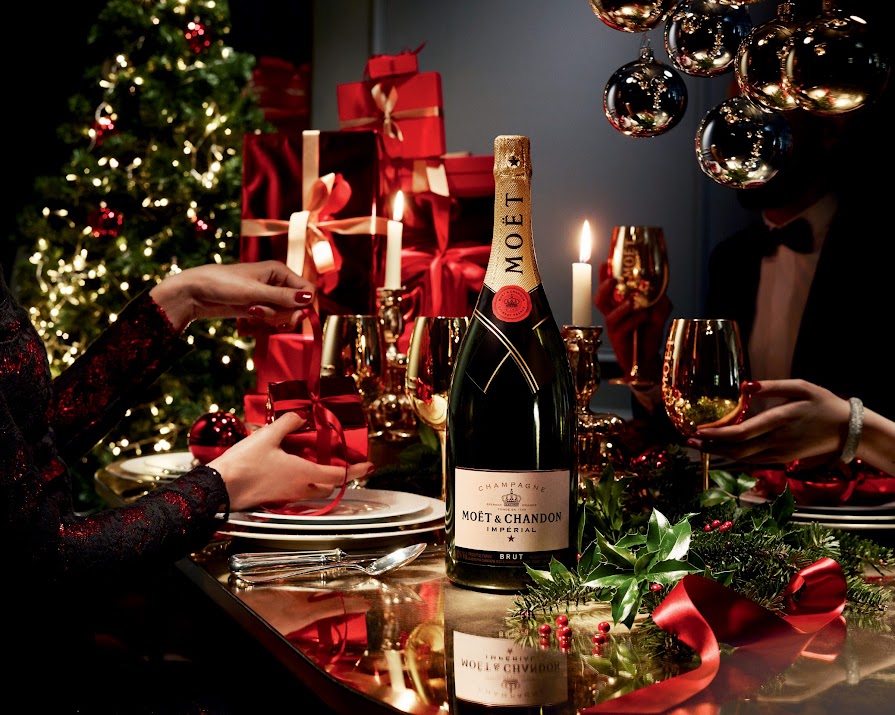
Julie Dupouy, sommelier at The Greenhouse restaurant and for Moe?t Hennessy brands, shares her expert insight on getting the most from your champagne.
The two main categories of champagnes are white champagne and rose? champagnes. Within these two categories, different styles can be found, and each term applied on a label of champagne is very important to understand the style found in a bottle. Some of the most common and useful terms are…
BRUT
This is the most common style of champagne found on the market. This means the champagne will be dry. However, this does not mean it does not contain sugar. Brut champagne can contain by law between 0 and 12 gr/l of sugar, but because the acidity is high in champagne, our taste buds do not register the sweetness. Be aware of the confusing labelling of sparkling wine. If a champagne is labelled as ‘dry’ (12-17 gr/l) or ?extra dry? (17-32gr/l), by law it is actually sweeter than the brut designation. These designations for champagne are extremely rare, but are the most common designations for prosecco, for instance, which means that champagne is generally lower in calories than most prosecco.
NV
Means ?non-vintage?. A vintage is the year the grapes were harvested. When a wine is labelled as €2014?, it means that all the grapes used to make that wine were harvested in 2014. However, in Champagne, over 80 per cent of the champagnes produced do not bear a mention of vintage on their labels, as they are made by blending different vintages together. This wine making technique is quite unique, but essential to preserve a house style and consistency in quality in champagne. Most NV champagne should be consumed within 18 months of purchase. Often, NV is not written on the label, but if no year is mentioned, then it is automatically a non- vintage style. If a year is mentioned on a label, you are dealing with a vintage champagne, made from grapes harvested during a single year. Houses only make a vintage champagne when they consider that the year is good enough to be produced. By law, these champagnes have to be aged for a minimum of three years before being sold, but most houses age them for much longer. Once on the market, these champagnes can be enjoyed or aged for at least another five to eight years.
BLANC DE BLANC
Most white champagnes are made… from red grapes! This is another strange fact of champagne. The two main grapes found in champagne are pinot noir and meunier. Both of these grapes have black skin, but clear juice, which makes it possible to make both white or red wines from them. However, if you see blanc de blanc on a label, it means that this champagne was made by using only the chardonnay grape. The style of blanc de blanc champagne is generally very elegant, mineral and ethereal, which makes it a wonderful option for the ape?ritif.
This article originally appeared in the December issue of IMAGE magazine.?

Also Read