









An expert answers all your questions about getting lighting right in your home
From the different elements that create a balanced feel to the most common mistakes, here are her expert tips.
Lighting is such an important factor in how a space feels. You can have picked a gorgeous colour for the walls, perfected the layout and found your dream pieces, but if the lighting is off, the room won’t feel relaxing, and it will be harder to use.
Elaine FitzGerald of Eyra Interiors is a qualified interior and lighting designer, now living in Donegal after almost 10 years in France. She works with clients all across Ireland on new builds, rebuilds, refurbs and refreshes. Here, we’ve turned to her to clear up some of the most common lighting queries.
What are some of the main things to consider when it comes to lighting in a room?
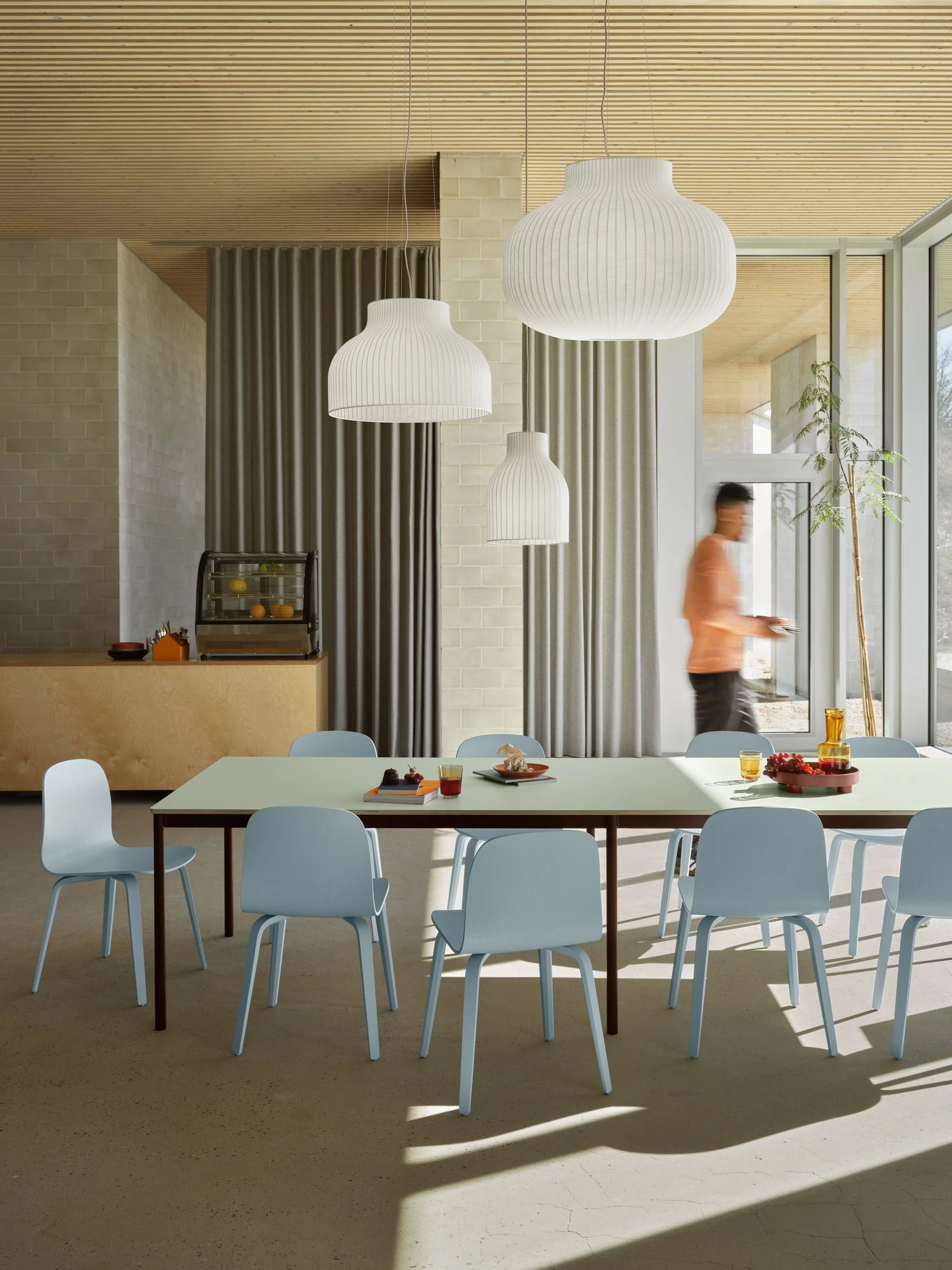
Layers – no one light fixture can do everything. Layering lighting simply means having enough light sources to comfortably do all the tasks you intend to do in that room. The layers are broken down into five elements: task, ambient, concealed, accent, and decorative. If you take a standard sitting room as an example you have:
Task: the main central light (the dreaded “big light”) which you turn on when you need to see everything properly.
Ambient: warm glowy lamps in the corners and on sidetables.
Concealed: warm lighting tucked in behind shelving, glass doors, under coving or above the curtains.
Accent: wall lights or picture lights highlighting artwork or architectural details.
Decorative: this can be elements such as candles.
Some of these fall into multiple categories – task can also be decorative, ambient can also be concealed, etc.
What are the most useful kinds of lighting to include in your space?
Dimmer lights are game changers, as well as lamps with variable colour temperatures. Sensor lighting in drawers, cupboards and along hallways is also a brilliant addition. Outdoor garden lighting is also really impactful. Not only does it create a lovely ambience, by having your eye drawn out the windows, it can also add an extra illusion of space within your home.
Are there any guidelines or tips to keep in mind when planning lighting?
I would really say that everyone is different, we all use our homes differently so you need to think about what works best for you and your family. Using a lighting designer can really help to identify your needs. Employing someone as early as possible in the process will save a lot of potentially expensive mistakes.
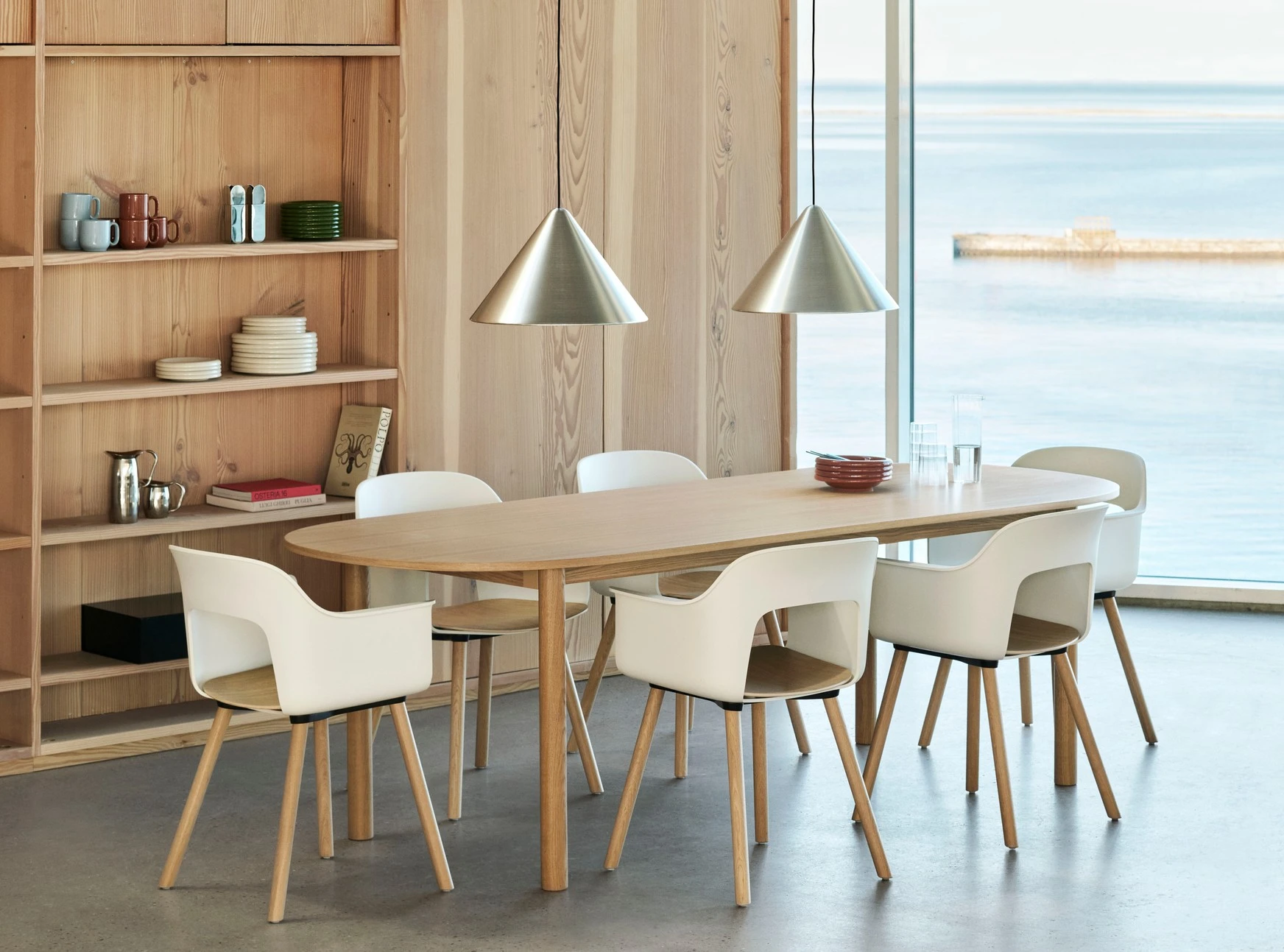
In terms of the fittings you choose, it’s weird to think that lighting can affect acoustics but it really does. Consider the textures and materials in the room already. If you have a tile floor in the kitchen, the ideal is a wood, plaster or fabric shade. This type of material will soak up noise, particularly if there are high ceilings and/or a lot of big windows. In contrast, harder materials like glass or metal will bounce noise around.
Heights, spacing and balance are all key factors to remember.
Smart lighting is also a huge game-changer – being able to control lighting around your entire house from an app is the ultimate convenience.
Should people consider light temperature too?
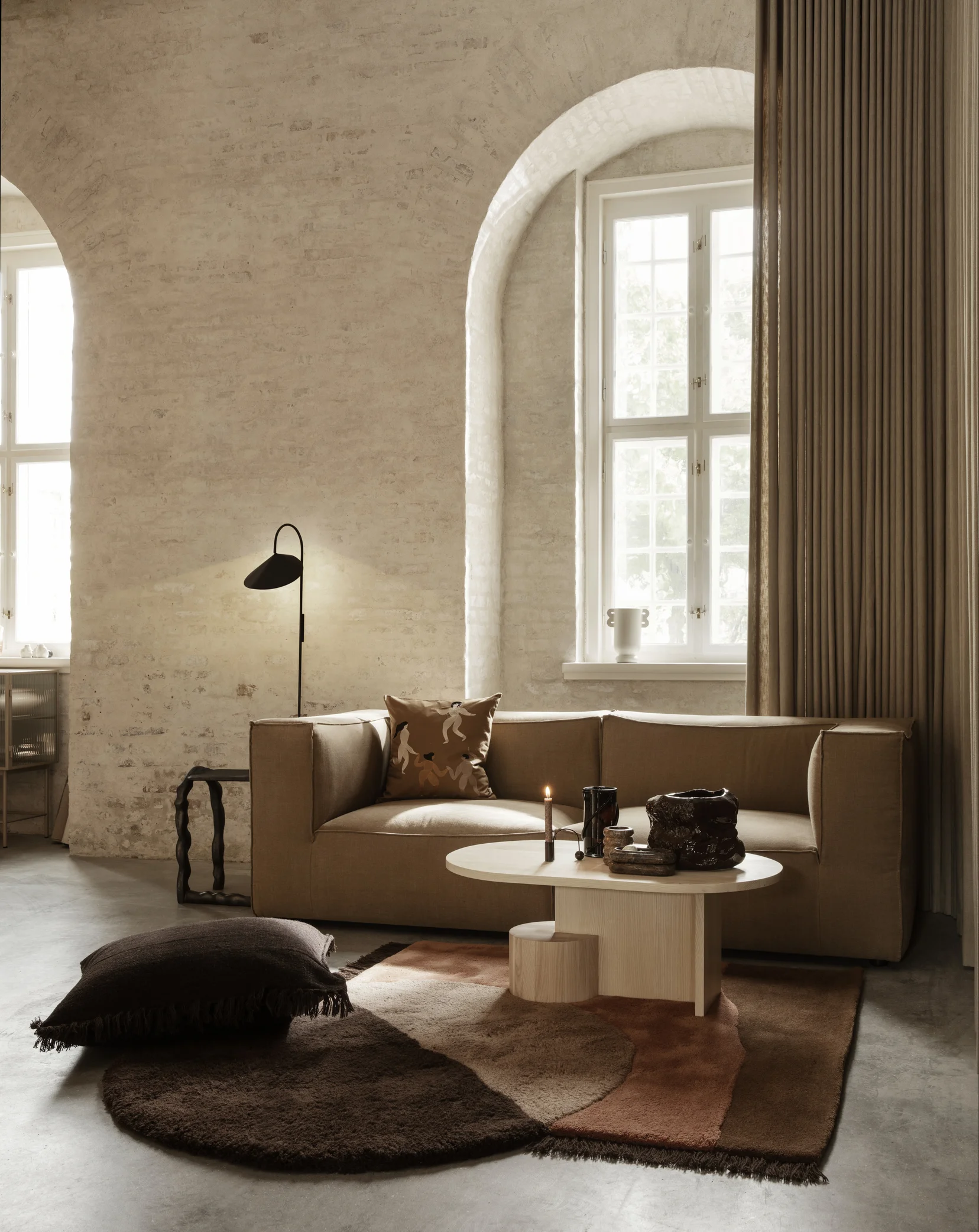
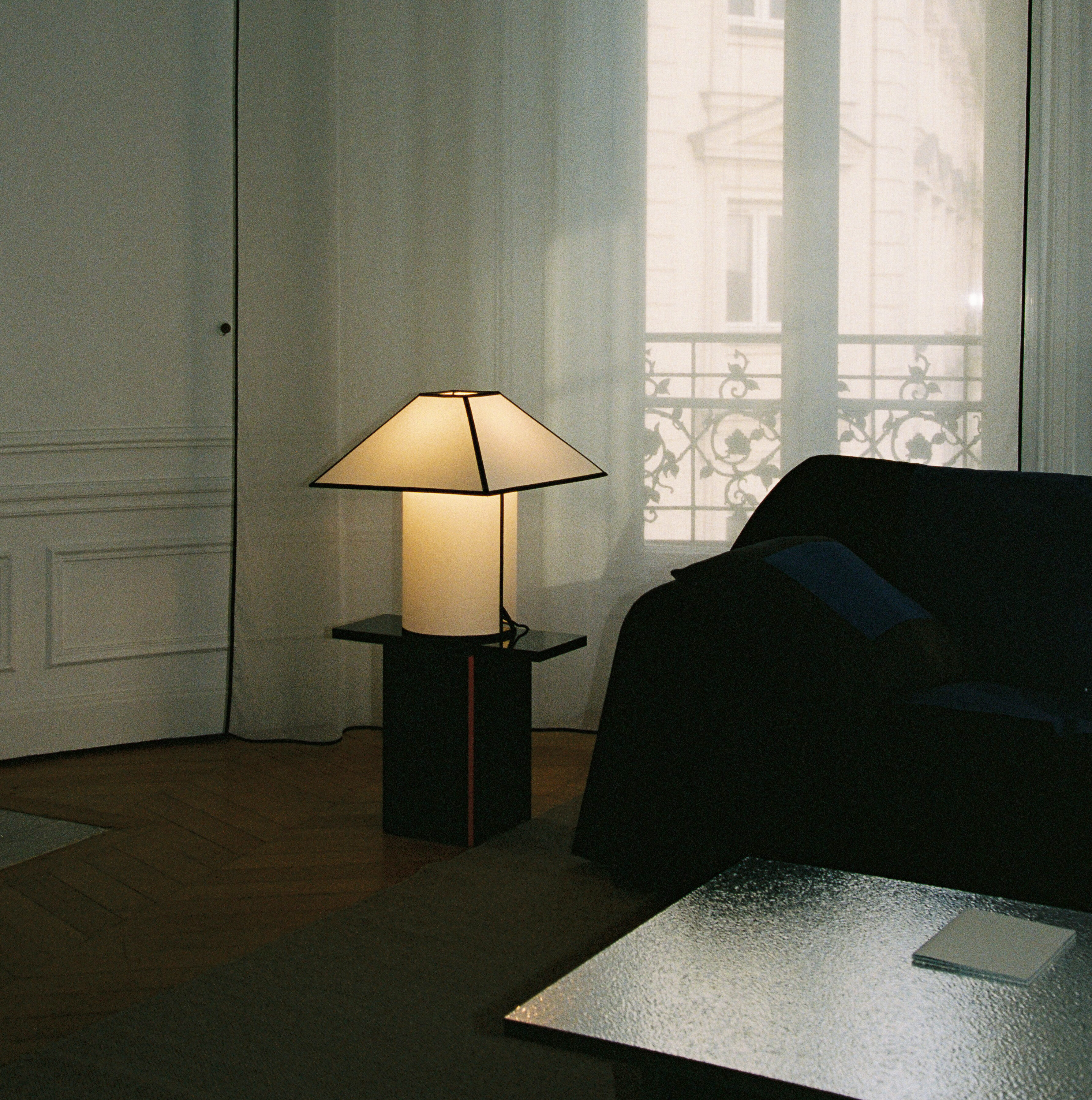
Yes! This is one of the most important elements to lighting. It can make or break a room, the feeling and the mood. A huge number of people suffer from light sensitivity and having lights that are too harsh or not emitting enough light can cause irritation, stress and even anxiety.
The general rule of thumb is to have warm lighting (2700K in living and bedrooms, 3000k in bathrooms and kitchens) throughout most of your home and more natural light (3500K) in office spaces.

What are some of the most common lighting mistakes you see?
One of the most common mistakes I see is the reliance on flat spotlights. They seem to have taken over as the blanket lighting solution but I’ve seen a lot of hallways that could be mistaken for an airport runway!
Using the wrong bulbs – whether that’s colour temperature or brightness, non dimmers when they should be dimmer.
Misplacement of fittings – a lot of the time the electrics have been done before people have their room design finalised, or changing the lighting hasn’t been included in a renovation or even a new kitchen. This results in spotlights being too close or too far from where they’re needed, over island or dining table pendants not being centred and bad bathroom lighting that makes us all look a hundred years older.
Also Read