








By Edaein OConnell
07th Nov 2018
07th Nov 2018
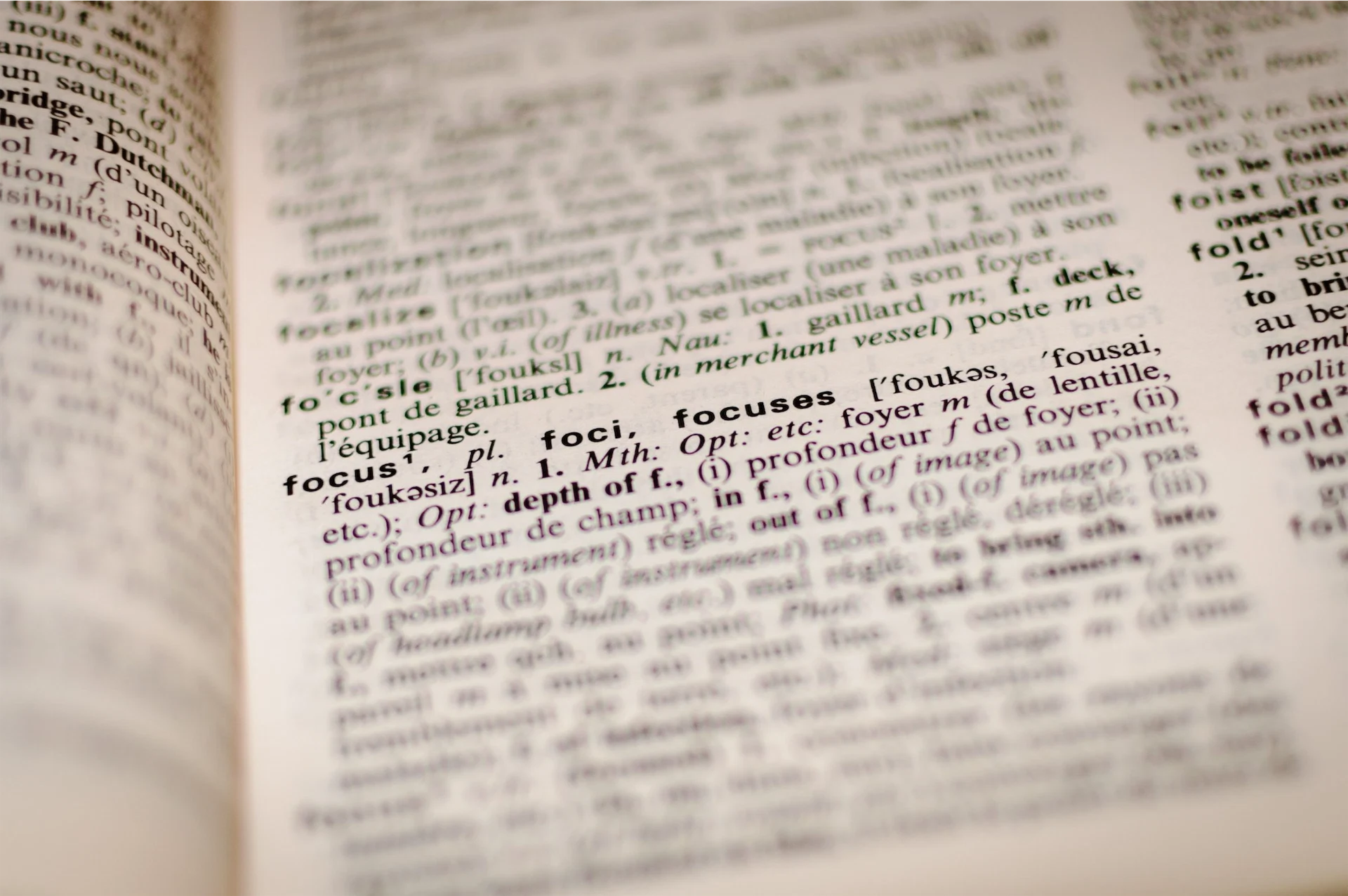
‘Single-use’ has been announced as the Collins Dictionary Word of the Year 2018, which is reflective of the world’s growing concerns about the environment.
Single-use refers to products that can only be used once before they are disposed of. Collins says that single-use “encompasses a global movement to kick our addiction to disposable products. From plastic bags, bottles and straws to washable nappies, we have become more conscious of how our habits and behaviours can impact the environment.”
The use of the word has increased substantially since 2013.
Also added to the dictionary
Other words on the list include “plogging,” which is an activity involving jogging while picking up litter. The fitness craze was first organised in Sweden in 2016 following an increase in concerns about plastic pollution.
Related: A beginner’s guide to Plogging:
the fitness trend that Roz Purcell loves
The word ‘floss’ has also appeared on the list, which originated from the dance craze sweeping social media this year. It is “a dance in which people twist their hips in one direction while swinging their arms in the opposite direction with the fists closed.”
In the year of global movements, ‘MeToo’ also joins the ranks. What started predominantly as a hashtag (#MeToo) has now taken a definitive place in the English language.
‘Gaslighting’ is also included; meaning “to attempt to manipulate (a person) by continually presenting them with false information until they doubt their sanity.” Next in the list is ‘whitewash’, which means “to cast a white actor in the role of (a character from a minority ethnic group) or to produce (a film or play) using white actors to play characters from a minority ethnic group.”
Brexit has also inspired the addition of two new words; ‘backstop’ and ‘gammon’. Backstop means “a system that will come into effect if no other arrangement is made”; while gammon is “a person, typically male, middle-aged, and white, with reactionary views, especially one who supports the withdrawal of Britain from the European Union.”
Also admiited to this years list is ‘VAR’, which means ‘video assistant referee’. It gained popularity after “being used for the time during this years FIFA World Cup”.
Surprisingly, the word ‘vegan’ only made the list this year; meaning “a person who refrains from using any animal product whatever for food, clothing, or any other purpose.”
The head of language content at Collins Helen Newstead said, “This has been a year where awareness and often anger over a variety of issues has led to the rise of new words and the revitalisation and adaptation of old ones. It’s clear from this year’s Words of the Year list that changes to our language are dictated as much by public concern as they are by sport, politics, and playground fads.”
Photo: Unsplash
Related Stories




Also Read